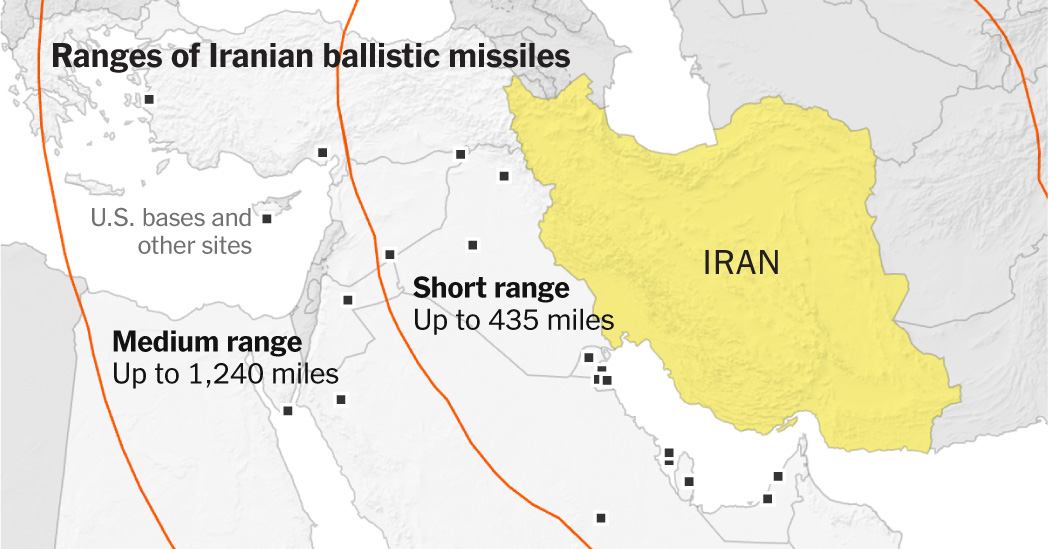
Joint airstrikes by the United States and Israel in Iranian territory have resulted in the deaths of 12 individuals, marking a new escalation in regional tensions. These strikes come at a sensitive time as fears grow over the potential for increased conflict between major powers.
The military operations coincide with rising tensions between Iran and the West, particularly following Tehran's announcement regarding the development of its nuclear program. Military sources have confirmed that the strikes targeted sensitive military sites, complicating the security situation in the region.
Details of the Incident
According to reports, US and Israeli warplanes executed a series of air raids on sites belonging to the Iranian Revolutionary Guard. These raids resulted in the deaths of several military personnel, in addition to the destruction of advanced military equipment. These strikes are considered part of a broader strategy aimed at undermining Iranian influence in the region.
At the same time, local sources reported that the strikes caused significant damage to infrastructure, raising concerns about potential retaliatory actions from Iran. The Iranian government issued a strongly worded statement, asserting that it would respond to these aggressions.
Background & Context
Historically, relations between Iran and the United States have been marked by increasing tensions since the Islamic Revolution in 1979. These tensions have particularly escalated following the US withdrawal from the Iranian nuclear deal in 2018. Since then, Washington has pursued a policy of maximum pressure on Tehran, leading to escalated conflicts in the region.
Israel views Iran as an existential threat, seeking to prevent it from developing nuclear capabilities. It has carried out multiple military strikes against Iranian targets in Syria, reflecting its strategy to counter Iranian influence in the Middle East.
Impact & Consequences
These strikes raise questions about the potential for greater escalation in the conflict between Iran and the West. Some reports have warned that the Iranian response could exceed borders, potentially leading to a wider conflict in the region. These events may also impact global oil markets, as concerns about supply disruptions grow.
Furthermore, these strikes could increase tensions between the United States and its allies in the region, as some countries may adopt varying stances toward these military operations.
Regional Significance
Arab countries neighboring Iran are on high alert, as these strikes could affect the overall stability of the region. These events may raise concerns among Gulf states, which fear the escalation of conflict and its impact on their security.
Additionally, these strikes could reshape alliances in the region, as some countries may seek to strengthen their ties with the United States in the face of the Iranian threat. Conversely, Iran may seek to bolster its alliances with countries like Russia and China to counter Western pressures.
In conclusion, developments in Iran remain a focal point of global interest, as the international community closely monitors Iranian reactions to these strikes. The escalation of tensions could lead to unforeseen outcomes, underscoring the necessity for dialogue and negotiation to avoid further escalation.