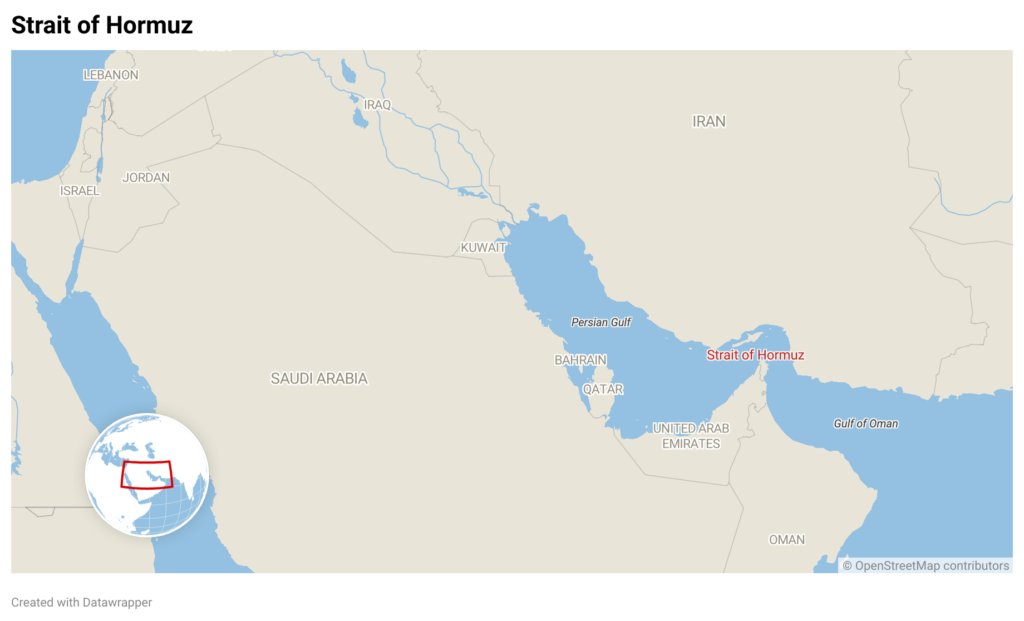
The Jordanian government held a ministerial meeting to discuss recent developments related to the Strait of Hormuz, focusing on the political and economic dimensions of the ongoing events in the region.
Ministers convened in the capital, Amman, to monitor the changing situation in the Strait of Hormuz, which is one of the most important waterways in the world, through which approximately 20% of the world's total oil passes. The ministers emphasized the importance of maintaining security and stability in this vital area.
Details of the Meeting
During the meeting, security and economic reports related to the Strait of Hormuz were reviewed, with ministers reporting an escalation of tensions among some regional countries, which could affect maritime navigation. They also discussed ways to enhance regional and international cooperation to ensure the safety of navigation in this vital corridor.
The ministers pointed out the importance of coordination with neighboring countries to ensure the stability of the region, proposing regular meetings to follow up on developments and exchange information. They also stressed the need to enhance defensive capabilities to protect national interests.
Background & Context
The Strait of Hormuz is a strategic transit point for oil and natural gas and has historically witnessed tensions among the countries bordering it. In recent years, there has been an increase in regional disputes, which has heightened the importance of this Jordanian ministerial meeting.
Historically, there have been numerous incidents that have affected navigation in the strait, prompting countries to take precautionary measures to ensure the safety of commercial vessels. Additionally, political tensions between Iran and Western countries have increased concerns about the security of navigation in this area.
Impact & Consequences
The Jordanian government anticipates that developments in the Strait of Hormuz will impact the national economy, especially given the heavy reliance on imported oil. Any escalation in tensions could lead to a rise in oil prices, negatively affecting the Jordanian economy.
Moreover, the stability of the Strait of Hormuz is vital for neighboring countries, many of which depend on oil and gas exports. Therefore, any threat to navigation could impact economic relations among these countries.
Regional Significance
Developments in the Strait of Hormuz have significant implications for regional security, as they could lead to an escalation of disputes among Arab countries. Furthermore, any disruption in oil supplies could affect energy prices across the region.
Thus, the Jordanian ministerial meeting reflects an increasing awareness of the importance of regional cooperation to address security and economic challenges. It is seen as a step towards enhancing coordination among Arab countries to ensure regional stability.