JPMorgan CEO Jamie Dimon has warned that a potential war in Iran could lead to rising inflation and interest rates worldwide. These warnings come at a time when the global economy is facing significant challenges, raising concerns among investors and analysts.
Dimon pointed out that conflict in the region could exacerbate economic conditions, as any escalation in the conflict could directly impact oil prices, negatively reflecting on inflation. He also added that financial markets could be significantly affected, potentially leading to sharp fluctuations in stock and bond prices.
Details of the Event
Dimon's statements come at a sensitive time, as tensions in the Middle East are escalating, particularly with the increase in military activities in Iran. Reports have indicated that any military escalation could lead to the closure of the Strait of Hormuz, a vital point for oil transportation, which could significantly raise prices.
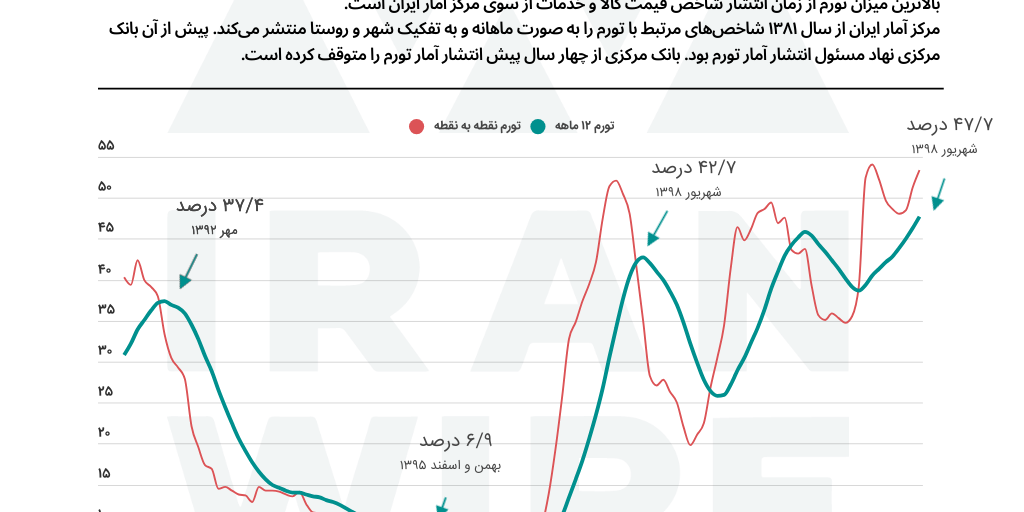
These warnings coincide with rising inflation rates in many countries, with the United States recording its highest inflation rates in decades. Dimon noted that any escalation in the conflict could worsen this issue, making it difficult for central banks to control inflation.
Background & Context
Historically, the Middle East has witnessed numerous armed conflicts that have had significant economic impacts globally. For instance, the Gulf War in the 1990s led to a substantial increase in oil prices, affecting the global economy as a whole.
Current tensions between Iran and the United States may also lead to increased instability in the region, which would reflect on financial markets. The Iranian economy is also among the most affected, as it heavily relies on oil exports, and any escalation in the conflict could impact these exports.
Impact & Consequences
If a war were to break out in Iran, the effects would be widespread. Oil prices are expected to rise significantly, leading to increased living costs in many countries. Central banks may also be forced to raise interest rates to combat rising inflation, which could impact economic growth.
Moreover, financial markets could experience significant volatility, as investors may turn to safe assets such as gold and government bonds. This shift could lead to a decline in stock prices, affecting the wealth of investors and companies.
Regional Significance
For Arab countries, any escalation in the Iranian conflict could directly impact their economic stability. Oil-producing countries like Saudi Arabia and the United Arab Emirates may benefit from rising oil prices, but at the same time, they could face economic challenges due to disruptions in global markets.
Countries that rely on imports may face rising costs for goods, leading to increased inflationary pressures. This situation could negatively impact social and political stability in the region.
In conclusion, the situation in the Middle East remains under close observation, as any new developments could significantly affect the global economy. It is crucial for Arab countries to stay vigilant regarding potential changes and take necessary measures to protect their economies.