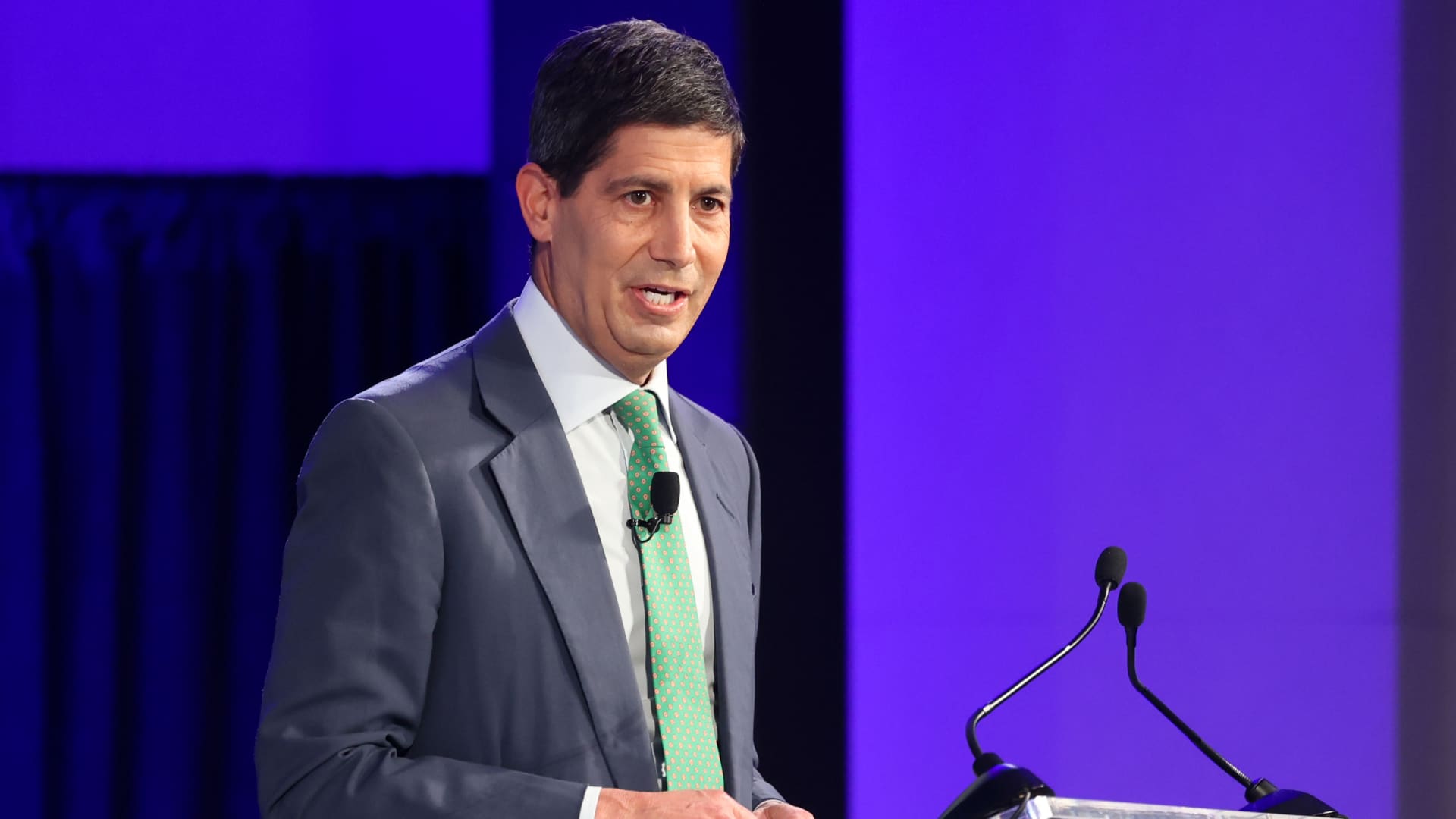
Kevin Warsh, the nominee for the chair of the Federal Reserve in the United States, is preparing to enter his position amidst complex challenges that may hinder the implementation of his economic agenda. This comes at a time when oil prices are witnessing a significant rise, which elevates inflation expectations and increases the likelihood of interest rate hikes by the central bank.
Although Warsh has expressed a desire to lower interest rates, the challenges he faces extend beyond that. He may encounter potential resistance from within the board as he seeks to reshape the operational framework of the board, which may require changes in staff or adjustments to the models used for economic forecasting.
Details of the Situation
Pressure is mounting on Warsh even before his nomination is confirmed, as hearings have been postponed due to Senator Tom Tillis' dissatisfaction with the criminal investigations related to the current Federal Reserve Chair, Jerome Powell. Tillis has indicated that he will obstruct the vote on Warsh's nomination unless the investigation is concluded.
On the other hand, Warsh believes that the Federal Reserve has made political mistakes over the years, ranging from maintaining a large balance sheet after the financial crisis of 2008 to failing to predict the inflation resulting from the COVID-19 pandemic. He considers these mistakes to be rooted in the nature of the institution itself.
Background & Context
The Federal Reserve was established in 1913 in response to recurring financial crises and has evolved to become one of the most important financial institutions in the world. However, the challenges it faces today require a reassessment of the board's role in the American and global economy.
The United States has witnessed significant economic fluctuations in recent years, making the need for flexible and effective monetary policy more crucial than ever. However, any major changes in monetary policy could lead to unpredictable reactions in financial markets.
Impact & Consequences
If Warsh can implement his plan to reduce the board's balance sheet, it could have significant effects on interest rates in the markets. It is believed that reducing the balance sheet could free up funds to increase lending in the economy, which may help stimulate economic growth.
However, this approach may face resistance from markets accustomed to the traditional way the board operates. Any sudden change in policy could increase volatility in financial markets, which could negatively impact the American economy.
Regional Significance
The monetary policies of the Federal Reserve have a significant impact on the global economy, including Arab countries. Any changes in American interest rates could affect investment flows to the region and oil prices, complicating the economic landscape in Arab nations.
In light of rising oil prices and inflation expectations, Arab countries may find themselves in a difficult position requiring a swift and effective response to maintain the stability of their economies.
In conclusion, Kevin Warsh faces significant challenges in his quest to implement radical changes at the Federal Reserve. His success in overcoming these challenges depends on his ability to convince his colleagues on the board and the markets of his plans, which could significantly impact the American and global economy.