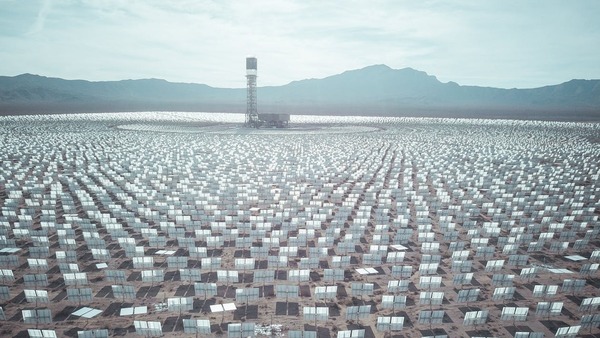
In a historic move towards enhancing renewable energy, the CGN Laos Northern Interconnection Clean Energy Base, recognized as the largest project in Southeast Asia, began operations on Tuesday, April 7. Developed by the China General Nuclear Power Group (CGN), the project boasts a production capacity of 1 million kilowatts, significantly promoting the use of clean energy in Laos.
The project is capable of generating approximately 1.65 billion kilowatt-hours annually, contributing to a reduction of 1.3 million tons of carbon dioxide emissions. Located in a mountainous area of Oudomxay Province, it has been designed according to the highest environmental and technical standards.
Project Details and Collaboration
During the construction phase, over 70 companies from the value chain in China and Laos were involved, reflecting the bilateral cooperation between the two countries in the field of renewable energy. Additionally, a research institute has been established focusing on developing new standards for clean energy projects in Laos, enhancing the country's capacity to achieve its sustainable energy goals.
This project is a significant step towards transforming the energy sector in Laos, as it contributes to local job creation, with approximately 3000 jobs created during the construction period. The project places great importance on maintaining infrastructure and preserving the surrounding environment, earning it appreciation from the local community.
Background & Context
Laos is striving to enhance the use of renewable energy, especially given the environmental challenges it faces. Historically, the country has relied heavily on hydropower, but with the increasing demand for energy, diversifying energy sources has become essential. This project aligns with the Laotian government's vision for achieving sustainability in the energy sector.
For several years, Laos has been exploring solar energy possibilities, benefiting from a high level of solar radiation. This project marks a new beginning in this direction, contributing to strengthening the country's capacity to produce clean energy.
Impact & Consequences
This project represents a milestone in Laos's efforts to achieve sustainable development goals. It is expected to improve the quality of life for local residents by providing affordable energy while reducing reliance on fossil fuels. Furthermore, this project could serve as a model for other countries in the region seeking to enhance the use of renewable energy.
Moreover, the collaboration between China and Laos in this project reflects the strong ties between the two countries and may pave the way for further investments in the renewable energy sector in the future. This cooperation could also contribute to enhancing economic stability in the region.
Regional Significance
The significance of this project extends beyond Laos, as it highlights the potential for renewable energy development in Southeast Asia. By investing in solar energy, Laos is positioning itself as a leader in the region's transition towards sustainable energy solutions.
In conclusion, the CGN Laos Northern Interconnection Clean Energy Base not only represents a significant advancement in Laos's energy landscape but also underscores the importance of international collaboration in addressing global energy challenges.