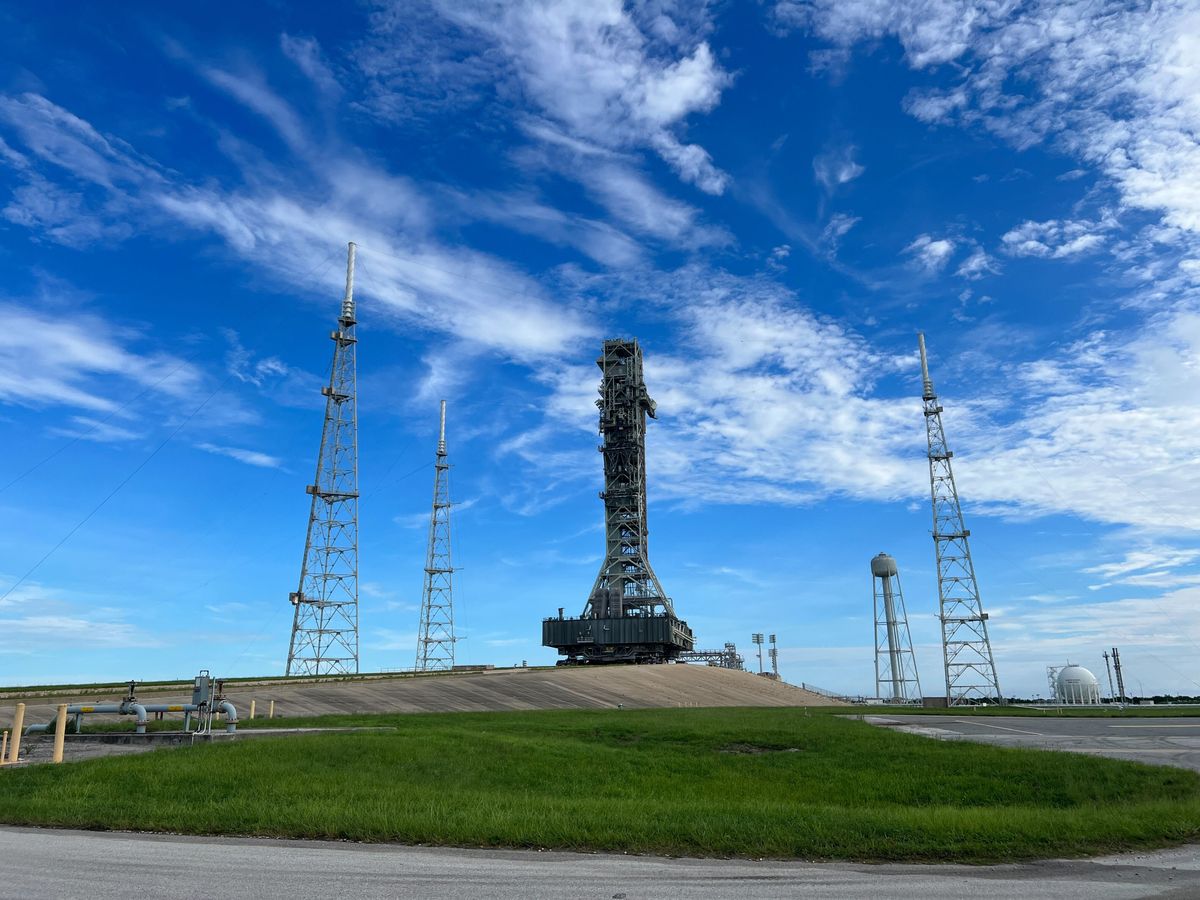
The Artemis 2 spacecraft has embarked on its journey towards the Moon after astronauts spent a full day in Earth orbit. This mission is part of NASA's efforts to restore crewed lunar flights, with Artemis 2 representing the second phase of the Artemis program, which aims to send humans to the Moon's surface by 2025.
The crew of Artemis 2 consists of four astronauts, including the first woman and the first person of color to set foot on the Moon. This mission is not just a spaceflight; it also represents a milestone in the history of space exploration, as NASA seeks to expand human exploration beyond the Moon, including Mars.
Details of the Launch Event
The spacecraft was launched from the Kennedy Space Center in Florida, with the launch occurring late yesterday. After spending a full day in Earth orbit, the spacecraft began its journey towards the Moon, where it is expected to reach lunar orbit in a few days. During this journey, the astronauts will conduct scientific experiments and tests on various systems of the spacecraft.
This mission is part of a larger plan that includes returning to the Moon and exploring it more comprehensively, with NASA aiming to establish a permanent base on the lunar surface by the end of this decade. Additionally, this mission will aid in developing the technologies necessary for future missions to Mars.
Background & Context
The Artemis program is part of NASA's strategy for space exploration, which began in 2019. After decades of halting human missions to the Moon, the United States is now seeking to regain its leadership in space. This move comes amid strong competition from other countries such as China and Russia, which are also aiming to explore the Moon and Mars.
Historically, the United States sent the first human to the Moon in 1969 during the Apollo 11 mission. Since then, no crewed missions have been sent to the Moon, making the current return a significant step in regaining momentum in space exploration.
Impact & Consequences
This mission is a landmark in space history, as it is expected to enhance international cooperation in space exploration. The success of Artemis 2 could encourage further investments in technology and scientific research, contributing to the development of the global economy.
Moreover, this mission will open new avenues for scientific research, potentially providing valuable information about the Moon and its history, as well as the possibility of exploring natural resources present there.
Regional Significance
Although this mission focuses on outer space, it has indirect effects on the Arab region. Arab countries are witnessing a growing interest in space, with many nations launching their own space projects, such as the United Arab Emirates, which launched the Hope Probe to Mars.
The achievements of NASA could inspire Arab nations to enhance their space programs, contributing to the development of technology and scientific research in the region.
The launch of Artemis 2 towards the Moon represents a historic step in space exploration, reflecting the United States' commitment to returning to the Moon and exploring beyond. This mission is not only a scientific achievement but also an opportunity to strengthen international cooperation in the field of space.