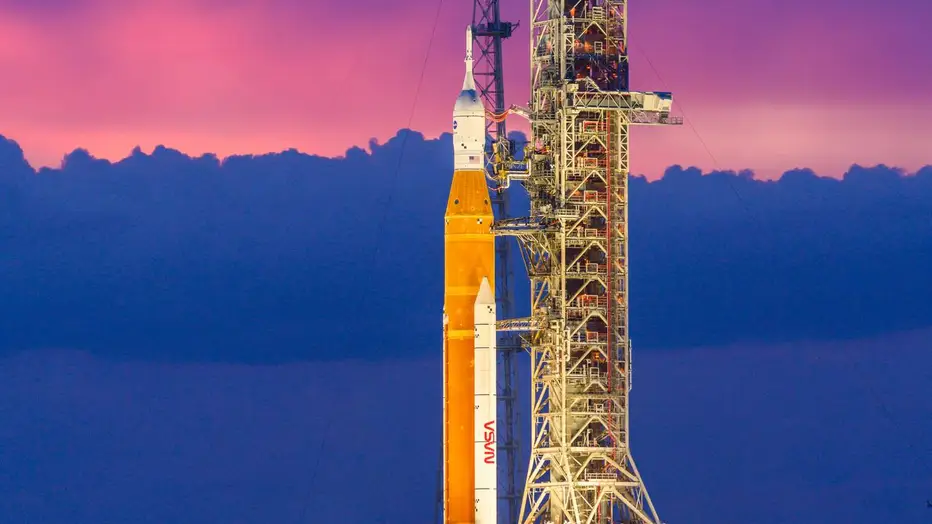
French scientists in Toulouse experienced a historic moment with the launch of Artemis II, expressing their deep emotions regarding this achievement, which they view as a major step toward lunar exploration. These scientists believe that this mission represents a new beginning for space exploration, highlighting the importance of Europe's role in these efforts.
Artemis II, launched as part of NASA's Artemis program, aims to return humans to the Moon by 2024 and is part of a larger plan to reach Mars. The scientists in Toulouse showed great enthusiasm for this mission, considering it a sign of the scientific and technological progress made in the field of space.
Event Details
The Artemis II rocket launched from the Kennedy Space Center in Florida, carrying a crew of four astronauts. This mission is the first to witness humans returning to the Moon since Apollo 17 in 1972. The mission is designed to include a journey around the Moon, allowing astronauts the opportunity to explore its surface up close.
While watching the launch, the scientists expressed feelings of pride and honor, affirming that this moment represents the culmination of long efforts in space exploration. They also noted that this mission will open new horizons for scientific research and enhance international cooperation in this field.
Background & Context
Historically, lunar exploration has been part of human ambitions for decades. Space travel began in the 20th century, achieving significant milestones, from the first human spaceflight in 1961 to the landing of humans on the Moon in 1969. With technological advancements, space exploration has become more accessible, allowing various countries to participate in this adventure.
The Artemis program is part of a broader vision by NASA, aiming to establish a permanent base on the Moon by the end of this decade, enabling scientists to conduct advanced research on the Moon and outer space. These efforts align with the vision of many European countries seeking to enhance their role in space exploration.
Impact & Consequences
The success of the Artemis II mission could have far-reaching effects across multiple fields, including science, technology, and the economy. Advances in space exploration may lead to the development of new technologies applicable in other areas, such as medicine and energy. Furthermore, international cooperation in this domain could strengthen relations between countries.
Moreover, lunar exploration may provide new opportunities for natural resources, potentially opening new avenues for the global economy. As interest in space grows, investments in this sector are expected to increase, leading to the creation of new jobs and fostering innovation.
Regional Significance
For Arab countries, space exploration represents an opportunity to enhance scientific and technological cooperation. Many Arab nations have shown increasing interest in space, launching their own space programs, such as the UAE's Mars exploration program. These efforts can help elevate the status of Arab countries in the international scientific community.
Additionally, collaboration with European and American countries in the field of space can provide new opportunities for research and development, contributing to sustainable development in the region. Space exploration is not just a scientific adventure; it is also an opportunity to foster international cooperation and achieve developmental goals.