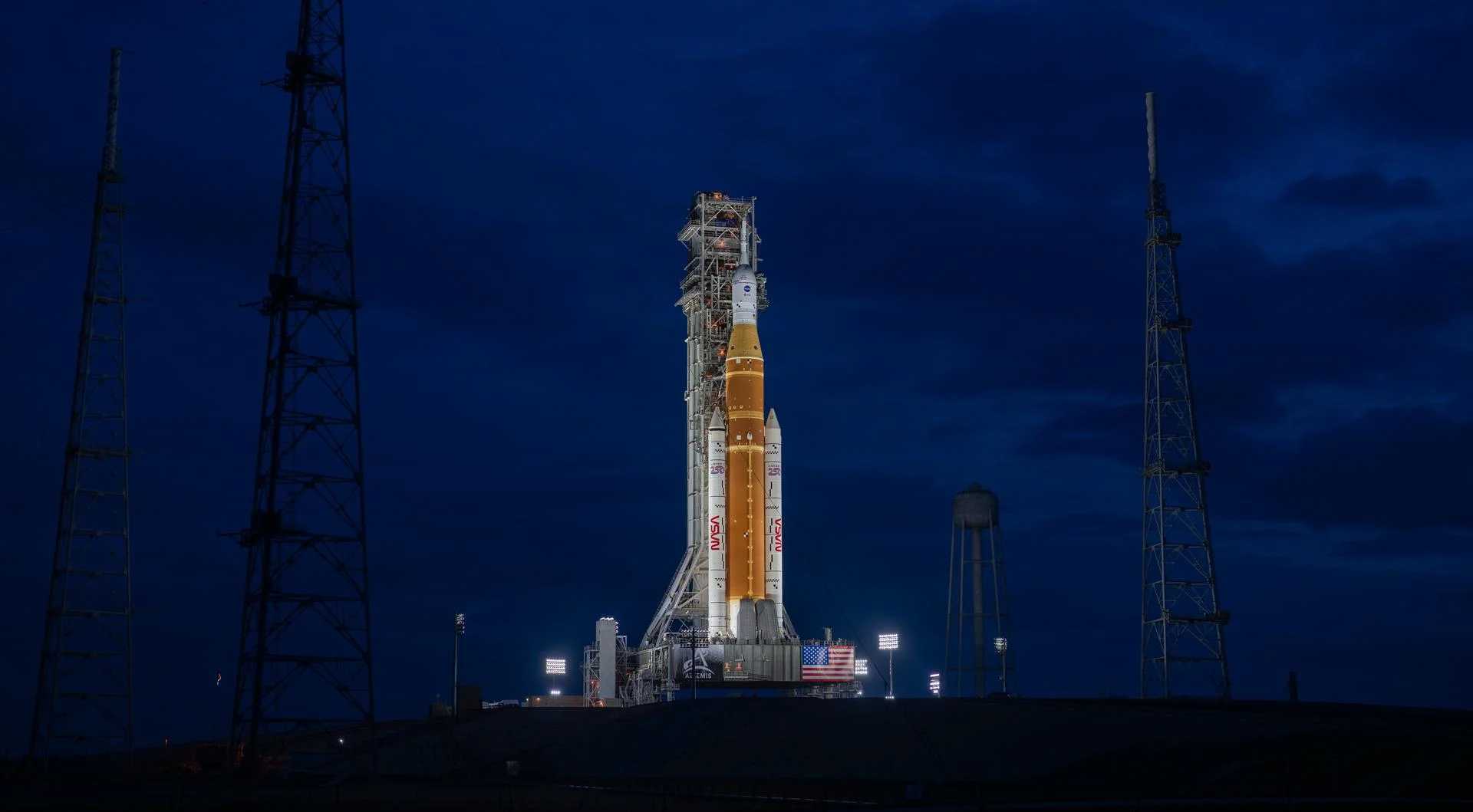
NASA is gearing up for the launch of the Artemis II mission, which represents a historic step in returning humans to the Moon after more than 50 years. This mission is set to launch on Wednesday evening from the Kennedy Space Center in Florida, where it will send astronauts on a journey around the Moon, the first of its kind in decades. This mission also marks the first crewed flight of the Space Launch System (SLS) rocket from Boeing and the Orion capsule from Lockheed Martin.
Although both systems have undergone years of development and uncrewed testing, the Artemis II mission will be the moment when the reliability of these systems is evaluated under the highest risks: crewed spaceflights. The outcomes of this mission could significantly impact the political narrative surrounding the Orion and SLS systems, which are considered the most powerful active rocket in the world and have faced ongoing criticism due to delays and rising costs.
Event Details
The Artemis II mission is a critical test for NASA, as Michael Leischuck, an equity research analyst at Kepbank Capital Markets, stated that "the stakes are extremely high whenever there are astronauts on board." He added that this mission represents a "crucial moment to validate" NASA's established commercial options.
Amid increasing competition from private companies like SpaceX and Blue Origin, NASA faces new challenges. Last week, Jared Isaacman, NASA's administrator, announced the agency's intention to open the SLS mission to competition among other companies after the Artemis V mission, indicating a shift in the agency's strategy towards more commercial partnerships.
Background & Context
Historically, NASA has relied on traditional systems to build its rockets, but with the emergence of private companies like SpaceX, the agency has begun to rethink its strategies. Since 2010, over $24 billion has been spent on developing the SLS, raising questions about the viability of these systems given the high costs.
The cost of each SLS launch ranges from $2 billion to $4 billion, while SpaceX and Blue Origin offer lower-cost options. For example, NASA paid $18 million for the first flight of the New Glenn rocket in 2025, highlighting the significant cost gap between traditional and modern systems.
Impact & Consequences
If the Artemis II mission succeeds, it could bolster the position of the SLS and restore confidence in traditional systems, but failure could lead to a comprehensive reevaluation of the program. There is growing concern that the costs of the SLS may make it an unsustainable option in the long term, potentially paving the way for private companies to become the primary alternative in future space missions.
At the same time, there remains strong political support for the SLS, making it difficult to cancel the program. However, pressure from private companies may lead to changes in how NASA implements its future projects.
Regional Significance
Developments in space are of particular importance to the Arab region, where many Arab countries are seeking to enhance their capabilities in this field. With increasing interest in space, NASA's successes or those of private companies may encourage Arab nations to invest more in their own space programs.
In conclusion, the Artemis II mission represents a turning point in space history, as traditional systems compete with modern innovations. The results of this mission will determine the future of crewed space flights, not only in the United States but globally.