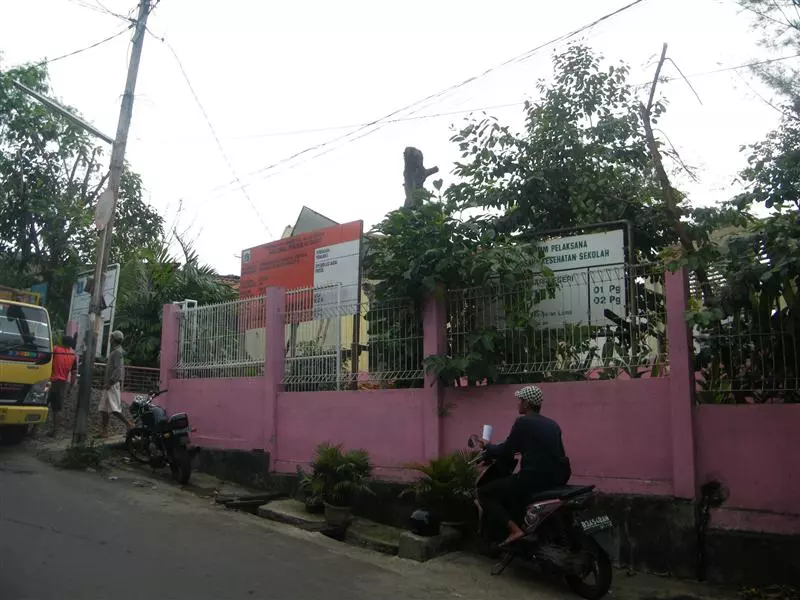
Students at SDN Cipulir 05 Pagi in the Kebon Lama area of South Jakarta welcomed the free nutrition program (MBG) today, Tuesday, following the Eid al-Adha holiday of 2026. This initiative is part of government efforts to improve student health and ensure their ability to learn effectively.
According to the school principal, Hartiningse, the program targets 429 students at the school, with meals that include rich and nutritious foods. Among the dishes served on the first day were white rice, honey-fried chicken, pepes (a type of local food) with basil leaves, spinach, and klengkeng fruit.
Event Details
The meals were distributed by the MBG kitchen of the Al-Mubarak Foundation, which also handles meal distribution to other schools in the area. Hartiningse confirmed that a total of 2,184 food portions were distributed to various schools, including SMAN 32, SDN 01, SDN 05, SDN 07, and kindergartens.
The principal noted that teachers did not receive food portions but were active in monitoring the quality of the meals provided. Each meal is inspected before being distributed to students to ensure its safety and suitability for consumption. If any unsafe food is discovered, a complaint is filed with the MBG team.
Background & Context
The MBG program is part of government efforts to ensure that children receive adequate nutrition that supports their physical and mental health. The National Nutrition Agency has emphasized the importance of implementing the program professionally, especially with the new school year approaching.
This initiative comes at a time when many communities are facing issues of malnutrition, which negatively impacts student performance in schools. Therefore, providing nutritious meals is a significant step towards improving the health status of students.
Impact & Consequences
The free nutrition program can contribute to reducing malnutrition rates among children, leading to improved academic performance. This initiative may also help decrease poverty and deprivation rates in communities, as good nutrition plays a vital role in developing children's mental and physical capabilities.
Furthermore, this program can serve as a model for other countries facing similar challenges in nutrition and public health, highlighting the importance of collaboration between government institutions and civil society.
Regional Significance
In the Arab region, many countries face challenges related to malnutrition, especially among children. The experience of the MBG program in Indonesia can inspire Arab countries to develop similar programs aimed at improving children's health and enhancing their learning abilities.
These initiatives are essential in the context of efforts to combat poverty and improve the quality of life in Arab communities, where good nutrition can play a pivotal role in achieving sustainable development.