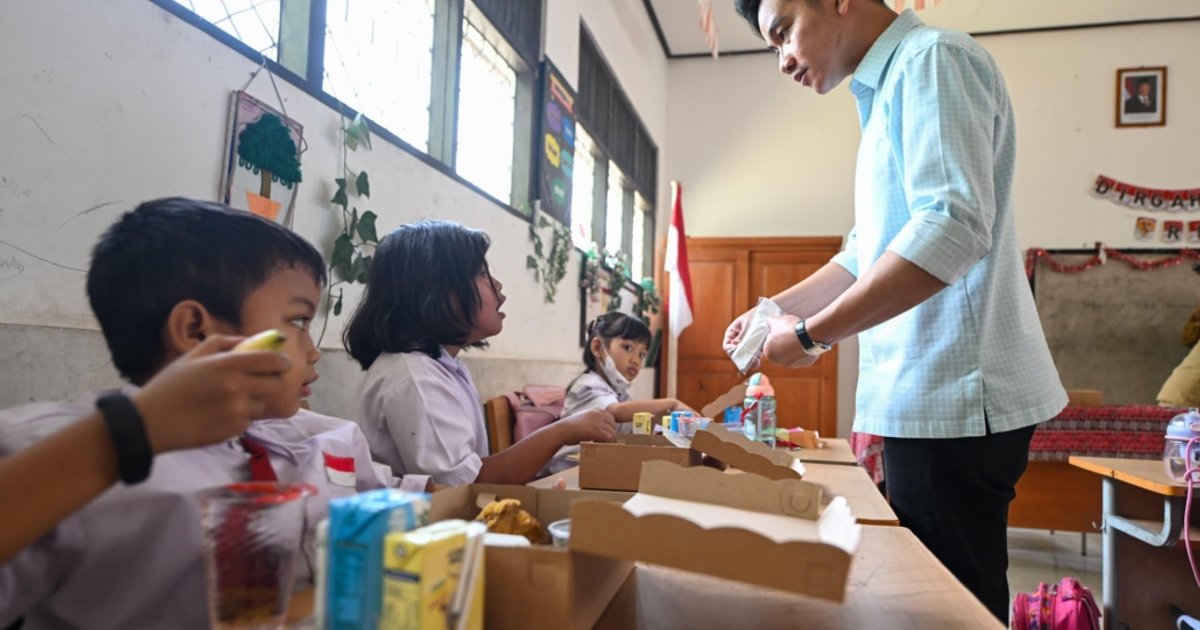
The Indonesian Attorney General, Rida Manthovan, announced the launch of the 'Free Nutritious Meals' (MBG) program in the regions of Tuban and Bojonegoro, located in East Java. This initiative is part of the government's efforts to enhance public health and combat malnutrition. The program aims to provide balanced meals to citizens, especially the most vulnerable groups such as children and pregnant women.
During a press conference held in Jakarta, Manthovan explained that this program is part of a collaboration among various government agencies, focusing on the importance of good nutrition as part of improving quality of life. He also noted that the program will include close monitoring of meal distribution to ensure they reach beneficiaries effectively.
Event Details
As part of this program, field assessments were conducted in the Tuban and Bojonegoro regions, where some challenges related to meal distribution and service unit readiness were identified. Manthovan confirmed that the Attorney General intends to take preventive steps to resolve any issues that may arise through administrative and awareness mechanisms before resorting to legal actions.
The 'Free Nutritious Meals' program is part of a comprehensive strategy aimed at improving the quality of human resources in Indonesia, targeting students, pregnant women, nursing mothers, and young children. This initiative aligns with the government's commitment to implementing presidential regulations that ensure coordination among various sectors to achieve the desired goals.
Background & Context
Indonesia faces significant challenges in the field of nutrition, with reports indicating high rates of malnutrition among children and women. Studies have shown that improving nutrition can significantly contribute to enhancing public health and increasing productivity. Therefore, the launch of the 'Free Nutritious Meals' program comes as a strategic step to address these challenges.
Historically, Indonesia has struggled with multiple food-related issues, prompting the government to take urgent measures to improve the situation. Several previous programs have been launched, but the MBG program is the most comprehensive to date, focusing on the most vulnerable groups in society.
Impact & Consequences
The 'Free Nutritious Meals' program is expected to contribute to improving the health of citizens, which will positively reflect on society as a whole. Additionally, this program may help reduce poverty and malnutrition rates, enhancing Indonesia's ability to achieve sustainable development goals.
Moreover, the collaboration between the Attorney General and other government entities, such as the National Nutrition Agency, reflects the government's desire to improve transparency and accountability in implementing food programs. The use of modern technology in monitoring meal distribution is a positive step towards achieving the desired objectives.
Regional Significance
The Arab world can benefit from Indonesia's experience in implementing free nutrition programs, especially in light of the food challenges faced by some Arab countries. Enhancing cooperation among nations in the field of nutrition can contribute to improving citizens' health and fostering social stability.
In conclusion, the 'Free Nutritious Meals' program represents an important step towards improving the quality of life in Indonesia and demonstrates the importance of collaboration among various government entities and civil society to achieve health objectives.