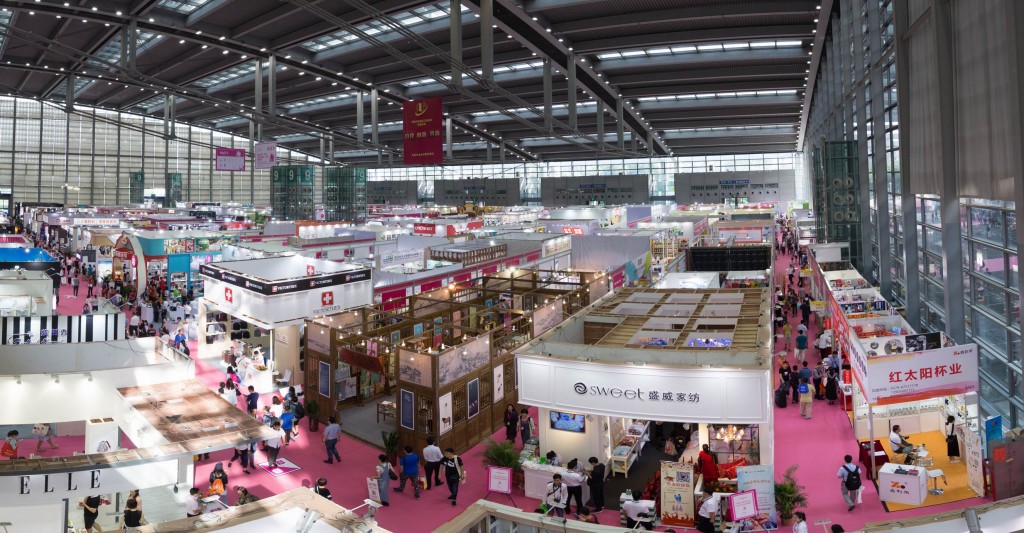
Today, the International Gift and Handicrafts Fair, along with watches and household tools, opened in Shenzhen, China, marking its 34th edition. This event is considered one of the largest trade platforms in the Asia-Pacific region. Organized by RX Huabo, the fair attracts international buyers looking for new products and reliable suppliers.
Spanning an area of 300,000 square meters, the fair hosts more than 4,500 exhibitors, targeting 250,000 professional buyers. Over 5,000 brands are participating, showcasing their latest products across eight main categories, making it a comprehensive platform for global buyers seeking to develop new partnerships.
Event Highlights
This year, the fair emphasizes the importance of intangible cultural heritage, with companies striving to integrate traditional crafting techniques such as tie-dyeing, bamboo weaving, and nail-free woodworking into their modern products. For instance, brands like Tianye Trend Toys and Xingtai Yilinfeng present products that blend authenticity with innovation, reflecting the growing global demand trends.
Moreover, tableware has evolved beyond mere functionality to express the identity and authority of the user. The Huaguang Porcelain brand offers a mix of tradition and modernity, while new brands like Chakolab showcase modular designs that make everyday products a part of lifestyle.
Background & Context
Historically, trade fairs in China have witnessed significant growth, with Shenzhen emerging as a major hub for innovation and trade. For over 30 years, RX Huabo has organized fairs that connect suppliers and buyers, contributing to the enhancement of both local and international economies. The current fair continues this tradition, fostering trade links between China and the rest of the world.
These events provide an opportunity for the exchange of ideas and innovations, where designers, manufacturers, and buyers from around the globe converge. The fair also reflects global trends in design and production, helping companies adapt to changing market demands.
Impact & Consequences
The fair serves as a strategic platform for boosting international trade, allowing buyers from various countries to explore the latest products and trends. The innovations showcased reflect shifts in consumer behavior, as individuals increasingly seek products that resonate with their personalities and meet their specific needs.
Such events strengthen trade relations between countries, enhancing opportunities for economic cooperation. The focus on innovation and design mirrors global trends towards sustainability and personalization, opening new avenues for businesses across various sectors.
Regional Significance
Trade fairs like this present significant opportunities for Arab countries to enhance their presence in global markets. Arab companies can leverage these platforms to expand their operations and reach new markets. Strengthening trade relations with China can contribute to the development of local industries and increase exports.
In light of the shift towards innovation and sustainability, Arab nations can benefit from exchanging expertise and technologies with Chinese companies, thereby enhancing their competitiveness in global markets.