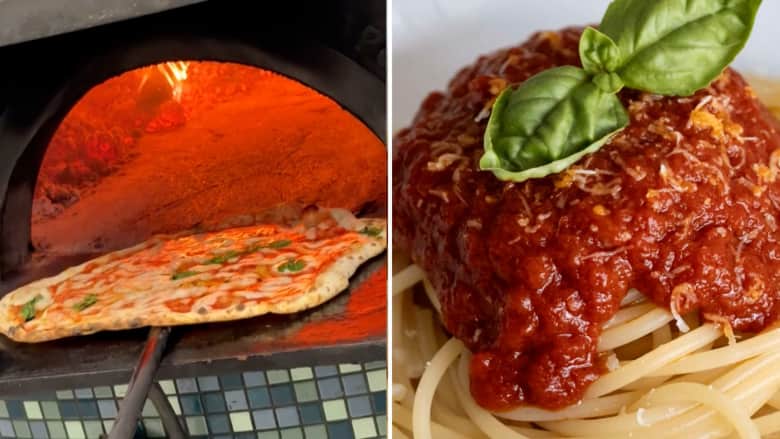
Last weekend, the first national forum for Italian cuisine was held in the city of Manduria, Italy, after the country received recognition from UNESCO for its cuisine as an intangible cultural heritage. The forum witnessed the participation of several policymakers, industry representatives, and producers, aiming to enhance the competitiveness of the Italian food sector and support its sustainable growth.
This event comes at a critical time as Italy seeks to strengthen its position in the global food market, especially after the challenges faced by the sector in recent years. Discussions centered around how to improve the quality of Italian food products and promote innovation in this field.
Event Details
The forum featured a series of discussion sessions and workshops that addressed various topics, including the importance of preserving Italian food traditions amidst globalization and how to utilize modern technology to improve productivity. Successful experiences from different Italian regions that managed to integrate cultural heritage with innovation were also showcased.
One of the main themes discussed was the need to enhance collaboration between local producers and restaurants, emphasizing the importance of presenting traditional Italian foods in a manner that aligns with modern market demands. The role of tourism in boosting the demand for Italian cuisine was highlighted, necessitating improvements in the quality of services offered in this sector.
Background & Context
Historically, Italian cuisine is considered one of the richest in the world, characterized by its diversity and richness in natural ingredients. Italian cuisine was included in the list of intangible cultural heritage by UNESCO in 2010, reflecting the significance of this heritage in Italian cultural identity. However, the economic and social challenges facing Italy today require new strategies to preserve and enhance this heritage.
Over the years, Italian cuisine has faced pressures from globalization, leading to the spread of fast and processed foods, which negatively impacted the consumption of traditional foods. Therefore, the forum represents an important step towards reviving interest in traditional Italian cuisine and promoting it in local and international markets.
Impact & Consequences
This initiative is a strategic step to boost the Italian economy by supporting the food sector, which is one of the most important economic sectors in the country. It is expected that enhancing Italian cuisine will contribute to an increase in tourism, as food is an essential part of visitors' experiences in Italy.
Moreover, this forum may open new avenues for cooperation between Italy and other countries, including Arab nations, where experiences and practices in traditional cuisine can be exchanged. This cooperation could lead to strengthened economic and cultural relations between both sides.
Regional Significance
Italian cuisine is among the favorite foods in many Arab countries, enjoying great popularity in restaurants and markets. Enhancing Italian cuisine through this forum could increase the demand for Italian products in the Arab region, opening the door to new business opportunities.
Furthermore, Arab countries can benefit from Italian experiences in preserving food heritage and promoting innovation in this field, contributing to the enhancement of each country's cultural identity.
In conclusion, the national forum for Italian cuisine represents a new beginning to promote Italian cultural heritage in a rapidly changing world. Through collaboration among various stakeholders, Italy can ensure the sustainability and enhancement of this heritage for future generations.