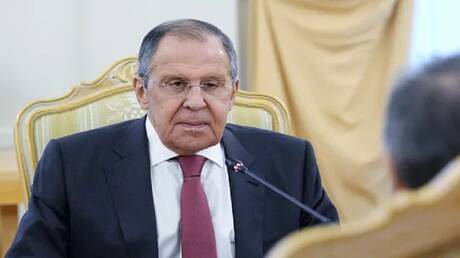
Iranian Foreign Minister Abbas Iraqji held a phone call with his Russian counterpart Sergey Lavrov, where they discussed the rapidly evolving developments in the Middle East and the implications of the ongoing military aggression against Iran. This call comes at a time when the region is witnessing a notable escalation in tensions, raising concerns in the international community regarding the stability of the Middle East.
Fears are growing that military actions against Iran could lead to a larger escalation that may affect neighboring countries. This call reflects the importance of coordination between Tehran and Moscow in facing regional challenges. Lavrov expressed Russia's support for Iran's efforts to maintain its sovereignty and security during their conversation.
Details of the Event
The discussions come at a sensitive time, as Iran faces increasing pressure from certain Western countries, in addition to rising tensions with its neighbors. Iraqji and Lavrov emphasized the importance of dialogue and cooperation among nations to ease tensions, stressing the need to avoid military escalation that could have dire consequences for regional security.
The importance of preserving the Iranian nuclear deal was also addressed, which is a central element in international relations with Iran. Lavrov noted that Russia would continue to support Iran in international forums, especially given the challenges Tehran faces under the imposed sanctions.
Background & Context
Historically, Iranian-Russian relations have developed significantly, with Russia being one of Iran's key allies in facing Western pressures. These relations have contributed to strengthening military and economic cooperation between the two countries, making these discussions part of a broader strategy to enhance regional alliances.
In recent years, tensions in the Middle East have escalated due to ongoing conflicts, such as the dispute in Syria and threats from armed groups, making it essential for major powers like Russia and Iran to coordinate in addressing these challenges.
Impact & Consequences
The continuation of tensions in the Middle East could lead to serious repercussions for regional and international security. An escalation of military actions against Iran could open the door to new conflicts and increase the suffering of civilians in the region. Additionally, any escalation could impact oil prices and global markets, negatively affecting the world economy.
Moreover, enhanced cooperation between Iran and Russia may encourage other countries to form new alliances, potentially leading to radical changes in the balance of power in the region. This, in turn, could create a more complex environment for dealing with future crises.
Regional Significance
Arab countries neighboring Iran are in a constant state of vigilance regarding ongoing developments, as any military escalation could affect the stability of these nations. The strained relations between Iran and some Arab countries, such as Saudi Arabia and the United Arab Emirates, make it imperative for these nations to take proactive steps to ensure their security.
Furthermore, any escalation in the conflict could lead to an influx of refugees into Arab countries, increasing the economic and social burdens on these nations. Therefore, dialogue and cooperation among the concerned parties are essential to avoid future crises.
In conclusion, the phone call between Lavrov and Iraqji reflects the importance of coordination among major powers in facing regional challenges. As tensions continue to rise, hope remains pinned on diplomacy as a means to resolve conflicts and achieve stability in the region.