The history of space exploration is marked by numerous disasters that have led to significant changes in safety standards. From the Apollo 1 fire to the Columbia disaster, these tragedies have transformed into technical lessons that have made space travel safer.
Space disasters are seen as turning points in the development of safety protocols. Each incident served as a wake-up call, leading to tangible improvements in spacecraft design and safety systems.
Details of the Events
In 1967, a horrific fire broke out inside the Apollo 1 capsule during a routine training session, resulting in the deaths of three astronauts. The fire was caused by the presence of pure oxygen at 100%, which turned any electrical spark into an explosion. Following this disaster, pure oxygen was replaced with a mixture of nitrogen and oxygen, and the doors were redesigned to open outward, contributing to improved astronaut safety.
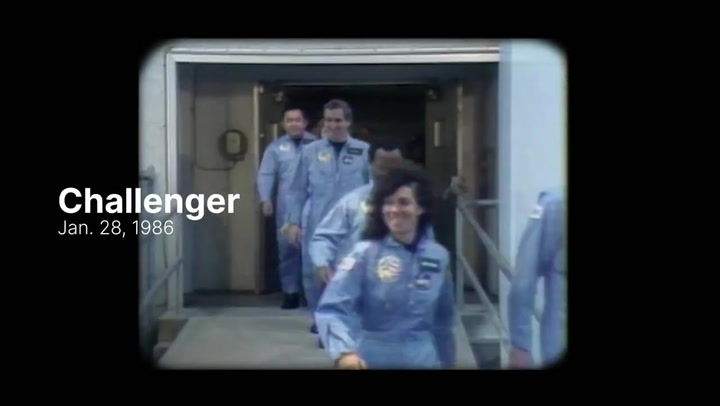
In 1986, the Challenger shuttle exploded 73 seconds after launch due to a failure of an O-ring, resulting in the deaths of all crew members. This incident prompted the agency to prohibit launches in low temperatures and granted engineers the authority to halt any launch if there was a risk.
The Columbia shuttle disaster in 2003 was caused by a piece of foam insulation that fell off during launch. This incident led to a radical change in mission protocols, making it essential to conduct thorough inspections of the vehicle while in orbit.
Background & Context
The history of space is filled with challenges and tragedies. The Soyuz 1 incident in 1967, where Soviet cosmonaut Vladimir Komarov died due to parachute failure, served as a harsh lesson on the importance of dual landing systems. Additionally, the Soyuz 11 incident in 1971, which resulted in the deaths of three astronauts due to air leakage, was a turning point in the design of pressure suits.
In 1960, the Nedelin disaster occurred when a rocket exploded on the launch pad due to failure to follow safety procedures, resulting in the deaths of over 100 people. This incident contributed to the establishment of strict protocols regarding safe distances around launch pads.
Impact & Consequences
The disasters that occurred in the history of space were not merely accidents; they were harsh lessons that contributed to improving safety standards. For instance, the Apollo 13 incident in 1970, considered a "successful failure," led to changes in spacecraft design to operate on the principle of "complete isolation" between oxygen and fuel tanks.
Moreover, the Genesis incident in 2004, which resulted in the loss of the probe due to a simple human error, contributed to tightening the laws on double manual inspections of mechanical parts. These lessons have helped make space safer, reflecting the importance of learning from mistakes.
Regional Significance
These lessons are crucial for the Arab region, where many countries are striving to develop their own space programs. Understanding safety standards and learning from past experiences can contribute to the success of these programs and ensure the safety of Arab astronauts in the future.
In conclusion, the disasters witnessed in the history of space, despite their bitterness, have left a legacy of knowledge that has made space today safer. Science is built not only on successes but also on the ability to confront mistakes and turn them into laws that protect future generations.