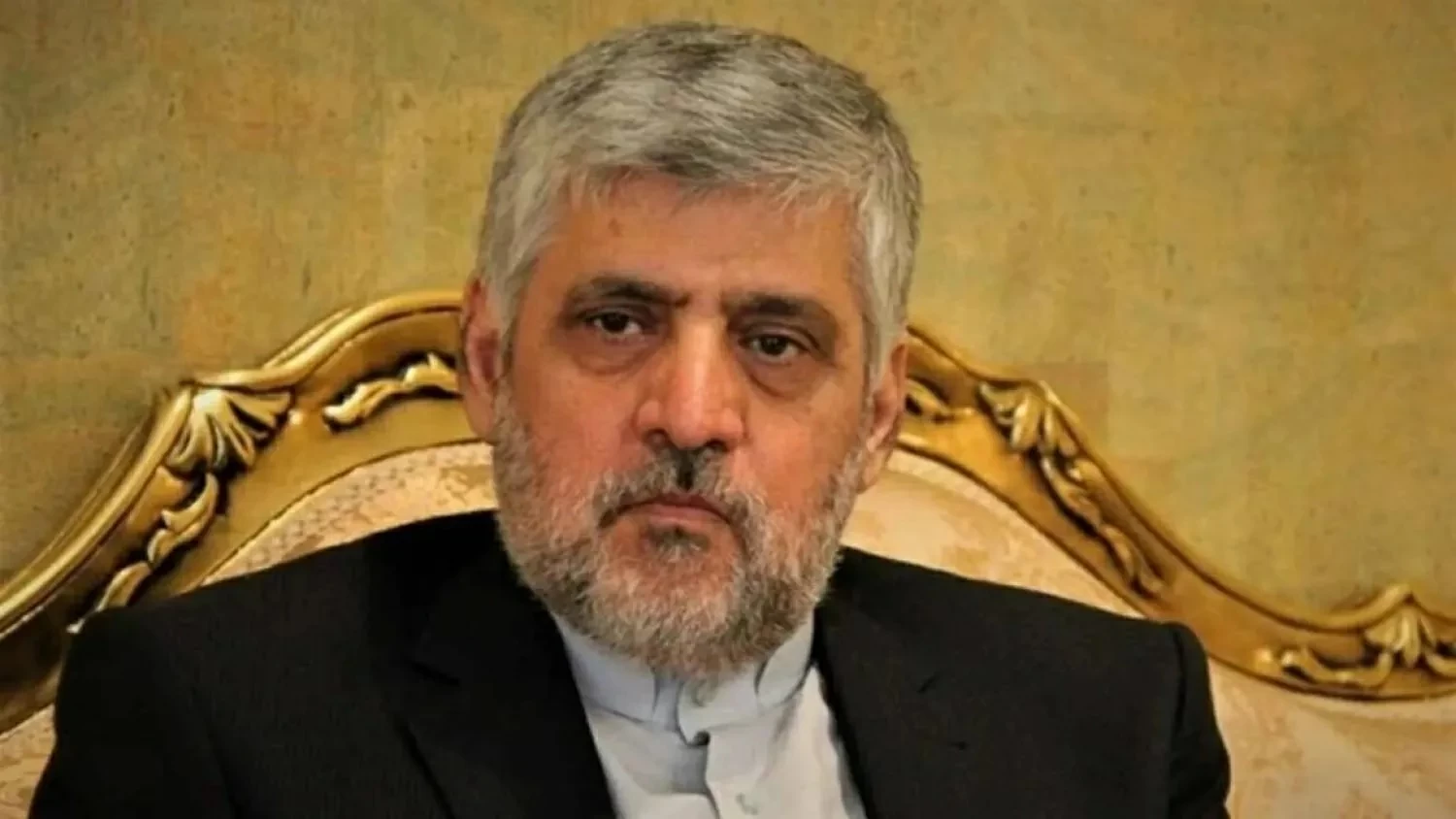
Lebanese President Joseph Aoun, in his first comments regarding the crisis involving Iranian Ambassador Mohammad Reza Shibani, confirmed that the latter is not an ambassador in Lebanon. Aoun clarified during a speech from Bkerke that Shibani has not formally submitted his credentials, indicating that he is present at the embassy without a role.
Aoun also highlighted his excellent relationship with Parliament Speaker Nabih Berri, a Hezbollah ally, who criticized the decision to expel the Iranian ambassador. He criticized opponents of negotiations and diplomatic avenues to halt the war, stating: "To those who ask what we will gain from negotiations, I ask what we will gain from your war?" He accused certain parties of attempting to drag Lebanon into conflicts unrelated to it.
Details of the Incident
Earlier, Iranian Foreign Ministry spokesman Ismail Baqaei confirmed that the Iranian ambassador would continue his work in Beirut despite the Lebanese government's request for him to leave. Informed sources revealed that Shibani defied the Lebanese Foreign Ministry's decision, leading to his classification as an unwelcome person.
Sources indicated that dealings with the Iranian diplomatic representation in Lebanon would be at the level of the Iranian chargé d'affaires, as long as Shibani has not been given a date to present his credentials. They also clarified that his continued presence in Lebanese territory strips him of diplomatic status and immunity, making him susceptible to detention and deportation if he leaves the embassy.
Background & Context
These developments come at a time when Lebanon is witnessing escalating military tensions, as the country enters its second month of war triggered by Hezbollah's missile strikes against Israel, described as "revenge" for the assassination of former Iranian leader Ali Khamenei. Israel responded with intense airstrikes on southern Beirut and other areas, exacerbating the situation.
In this context, Israeli forces have further penetrated additional southern areas, resulting in the destruction of numerous border towns. Israeli Defense Minister Israel Katz has vowed to destroy dozens of villages and establish a buffer zone that could extend to the Litani River borders.
Impact & Consequences
This crisis exemplifies the complexities of Lebanese-Iranian relations, highlighting tensions between the Lebanese government and Hezbollah. President Aoun's stance reflects an effort to maintain internal stability amid the challenging circumstances Lebanon is facing.
Concerns are growing that these developments could lead to further escalation in the conflict, potentially affecting regional security and increasing the suffering of the Lebanese people, who are already grappling with economic and humanitarian crises.
Regional Significance
The current crisis in Lebanon is part of a broader regional conflict, where Iranian interests intersect with Israeli tensions. The continuation of these circumstances may have negative repercussions on neighboring countries and heighten tensions among regional powers.
In conclusion, the situation in Lebanon remains tense as President Aoun seeks to maintain the country's stability amid internal and external pressures. Upcoming developments will determine the fate of Lebanese-Iranian relations and their impact on regional security.