The Lebanese government has declared that it will submit an official complaint to the UN Security Council in protest against the repeated Israeli attacks. This announcement comes at a time when clashes between Hezbollah and Israeli forces have intensified along the Lebanese-Israeli border, leading to injuries on both sides.
This move occurs amidst increasing tensions in the region, where violent confrontations have erupted between the two parties in recent days, reflecting the rising security crises in Lebanon. In a related context, ministers from Hezbollah and its ally Amal Movement boycotted a government session after the decision to declare the Iranian ambassador in Lebanon a persona non grata, highlighting the internal political divisions within the country.
Details of the Incident
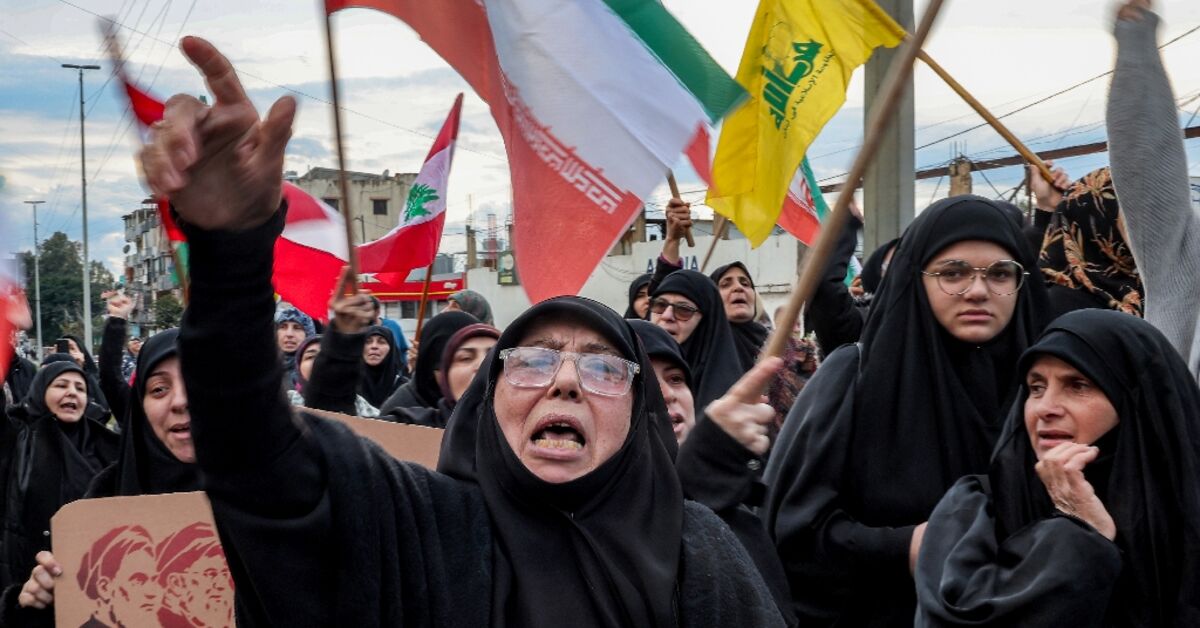
On Thursday, fierce clashes broke out along the border between Lebanon and Israel, with both sides exchanging gunfire, resulting in several casualties. Local sources reported that the confrontations were triggered by Israeli military operations against Hezbollah positions, which in turn retaliated against these attacks. Meanwhile, protests erupted in Beirut in support of Iran, with demonstrators gathering outside the Iranian embassy to express their solidarity.
These events come at a sensitive time for Lebanon, which is grappling with severe economic and political crises. The Lebanese government's decision to declare the Iranian ambassador a persona non grata has elicited mixed reactions; some view it as a step towards strengthening ties with the West, while others consider it a betrayal of the Iranian axis.
Background & Context
Historically, Lebanese-Israeli relations have been marked by ongoing tensions for decades, with several wars and conflicts occurring between the two sides. Hezbollah, which was established in the 1980s with Iranian support, is considered one of the most prominent military forces in Lebanon and has engaged in multiple confrontations with Israel, the most recent being in 2006. This historical backdrop reflects the depth of the conflict and its impact on the political and security situation in Lebanon.
In recent years, tensions between Iran and Israel have escalated, with Israel accusing Iran of supporting Hezbollah and supplying it with weapons. This regional conflict directly affects the situation in Lebanon, where the government finds itself in a difficult position between supporting its regional allies and the necessity of maintaining stability in the country.
Impact & Consequences
Lebanon's filing of a complaint with the Security Council could have significant international repercussions, potentially leading to international intervention in the ongoing conflict. This move may also reflect the Lebanese government's desire to garner international support to confront Israeli aggressions, especially given the deteriorating economic situation the country is facing.
On the other hand, the escalation of clashes could exacerbate the security situation in Lebanon, increasing the suffering of citizens who are already enduring economic and social crises. Additionally, internal political divisions may hinder the government's efforts to address these challenges, further increasing instability in the country.
Regional Significance
The ramifications of events in Lebanon extend beyond its borders, affecting stability in the Arab region as a whole. The conflict between Israel and Hezbollah could lead to a broader escalation in regional disputes, threatening security in neighboring countries such as Syria and Palestine.
Furthermore, Iranian support for Hezbollah may heighten tensions between Iran and other Arab states, reflecting the political divisions in the region. In this context, Arab countries must remain vigilant regarding developments in Lebanon and work to enhance regional cooperation to address common challenges.