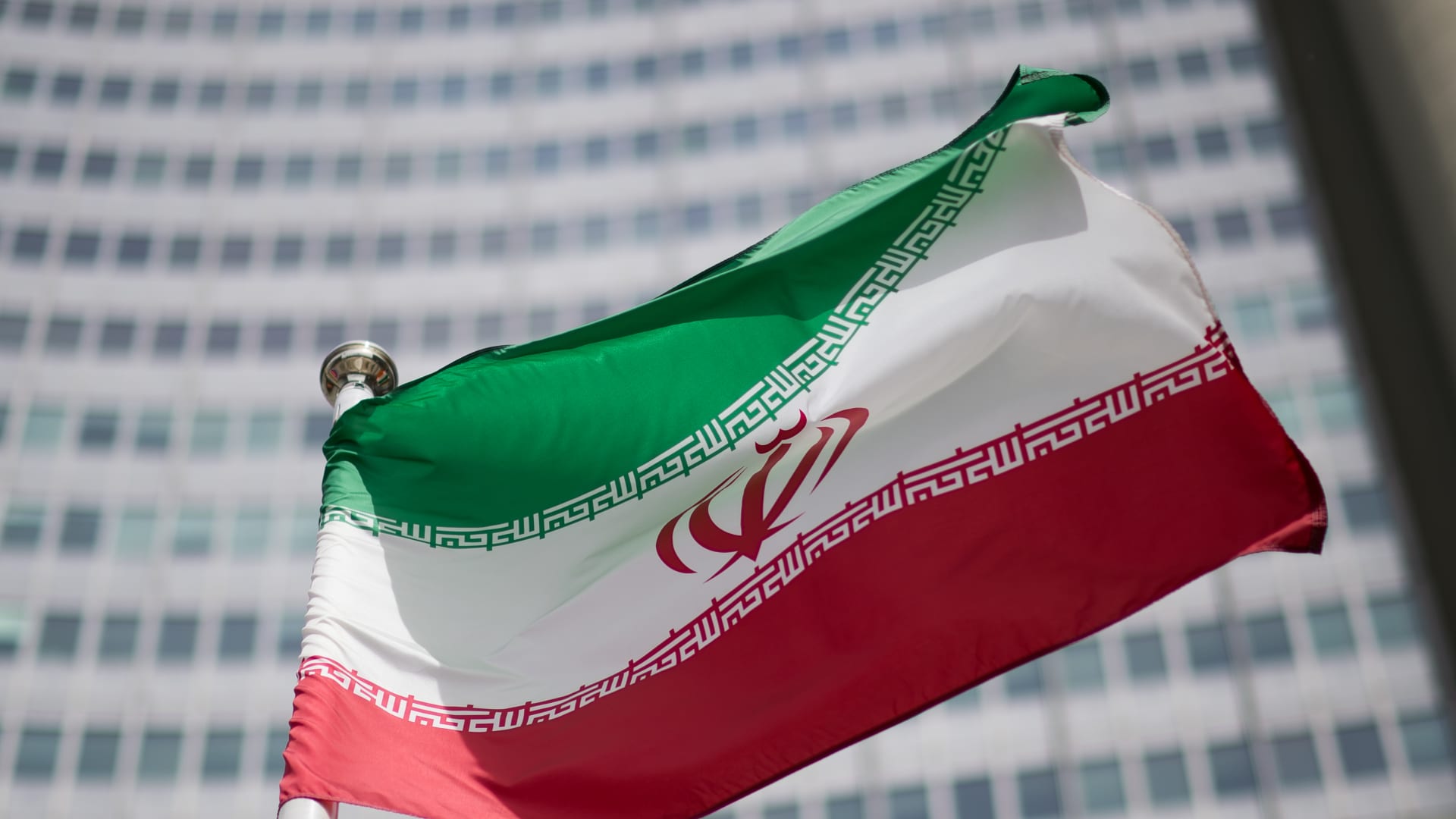
The Lebanese Foreign Ministry announced today the withdrawal of accreditation from the appointed Iranian ambassador, granting him until next Sunday to leave the country. This decision reflects the rising political tensions between Lebanon and Iran, occurring at a sensitive time when the region is undergoing significant transformations.
This measure is considered an unprecedented step in Lebanese-Iranian relations, demonstrating Lebanon's desire to reassess its ties with Tehran under the current circumstances. It is believed that this decision may have repercussions on the bilateral relations between the two countries, which have long been surrounded by political complexities.
Details of the Event
The withdrawal of accreditation from the Iranian ambassador came after a series of political events witnessed in Lebanon, where pressures on the Lebanese government from the international community are increasing. The appointed Iranian ambassador, whose name has not been disclosed, is a prominent figure in enhancing relations between the two countries, making this decision controversial.
This step comes at a critical time, as Lebanon faces suffocating economic and political crises, complicating the political landscape further. This decision also shows the Lebanese government's desire to take independent steps away from Iranian influence, which may be welcomed by some political factions in Lebanon.
Background & Context
The history of Lebanese-Iranian relations dates back decades, with Iran supporting certain political factions in Lebanon, particularly Hezbollah. However, the current situation in Lebanon, which is suffering from economic and political crises, has prompted the government to reconsider these relations.
In recent years, tensions have increased between Lebanon and Iran, especially with international pressures on Iran due to its nuclear program and support for armed factions in the region. These pressures may directly affect Lebanese-Iranian relations, making the decision to withdraw accreditation from the Iranian ambassador a step that reflects these dynamics.
Impact & Consequences
This decision may have far-reaching effects on relations between Lebanon and Iran. It is likely to lead to a deterioration of bilateral relations, which may impact Iranian support for certain political factions in Lebanon. Additionally, this decision could be seen as a signal to the international community that Lebanon is seeking to take more independent steps in its foreign policy.
Moreover, this decision may increase internal tensions in Lebanon, as some political factions may oppose this direction, potentially escalating the political situation in the country. This decision could also be used as leverage by some political parties to strengthen their position in the Lebanese political arena.
Regional Significance
This decision is part of the larger picture in the Arab region, where tensions between Arab countries and Iran are increasing. It demonstrates how Arab nations are seeking to reduce Iranian influence in the region, especially under the current circumstances faced by many Arab countries.
This decision may also impact relations between Lebanon and other Arab countries, as it could be seen as a step towards enhancing Arab cooperation in facing common challenges. At the same time, it may lead to increased divisions in the region, as views on how to deal with Iranian influence vary.
In conclusion, the withdrawal of accreditation from the Iranian ambassador is a significant step in Lebanese-Iranian relations, reflecting the challenges faced by the Lebanese government under current conditions. It remains to be seen how events will unfold in the coming days and whether this step will lead to larger changes in Lebanese and regional politics.