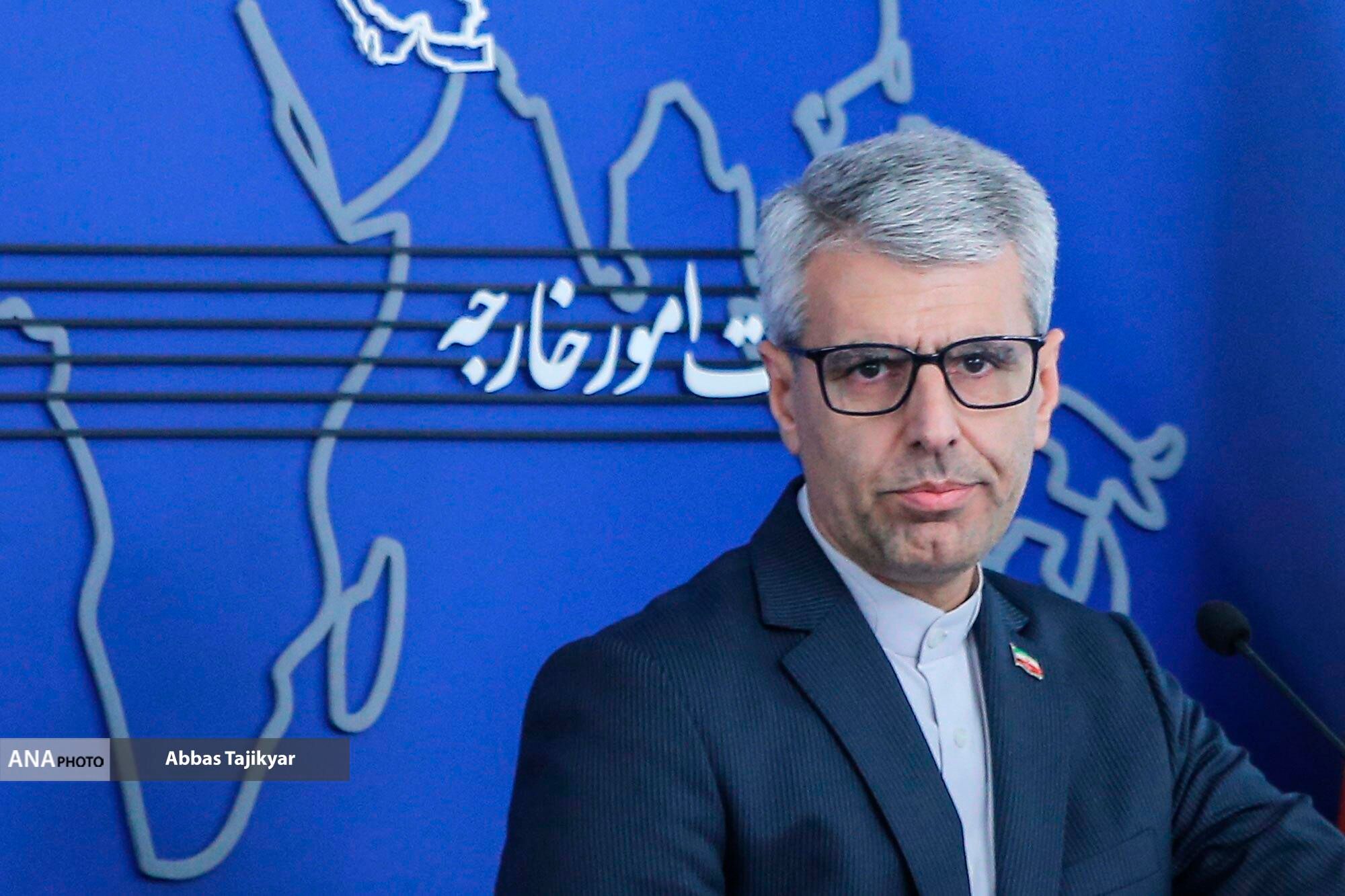
The Lebanese Ministry of Foreign Affairs and Emigrants has announced the withdrawal of accreditation for the Iranian ambassador appointed in Beirut, granting him a deadline until next Sunday to leave the country. This decision reflects the escalation of political tensions in the region and comes at a sensitive time for Lebanese-Iranian relations.
This move is seen as a significant shift in Lebanese policy towards Iran, which has long held considerable influence in Lebanese affairs through its support for various political and military factions. The decision has raised questions about the future of relations between Lebanon and Iran, especially amid changing regional circumstances.
Details of the Event
The withdrawal of the Iranian ambassador's accreditation came after a series of political events in the country, which included increasing criticism from some Lebanese political forces regarding Iran's role in Lebanon. The Lebanese Ministry of Foreign Affairs confirmed that this decision was made in the interest of the country and reflects the new directions of the Lebanese government in dealing with foreign affairs.
It is worth noting that the Iranian ambassador was appointed earlier this year and was considered a link between Tehran and decision-making bodies in Lebanon. However, it seems that internal and external political pressures have led to this surprising decision.
Background & Context
Historically, Iran has been a key player in Lebanese politics, supporting Hezbollah and other factions, which has enabled it to intervene directly in the country's internal affairs. However, the political situation in Lebanon has undergone significant changes in recent years, with increasing calls for enhancing national sovereignty and reducing foreign influence.
This step comes at a time when Lebanon is suffering from severe economic and political crises, as many Lebanese seek to change the existing political system, which they consider corrupt and unable to meet their needs. In this context, the withdrawal of the Iranian ambassador's accreditation is viewed as part of the Lebanese government's efforts to regain control over political decision-making.
Impact & Consequences
This decision is expected to have significant repercussions on the relations between Lebanon and Iran. It may lead to increased tensions between the two sides, and Iran may respond with countermeasures, further complicating the situation in Lebanon. Additionally, this decision could affect Iran-backed factions in Lebanon, which may find themselves in a weakened position as a result of this change.
Moreover, this decision may impact Lebanon's relations with other Arab countries, as the withdrawal of the Iranian ambassador's accreditation is seen as a step towards strengthening ties with Arab nations that oppose Iranian influence in the region.
Regional Significance
This move is part of broader shifts in regional politics, as many Arab countries seek to reduce Iranian influence in the area. These developments may provoke reactions from countries like Saudi Arabia and the UAE, which view Iran as a threat to their security and stability.
At the same time, this step may encourage other countries in the region to take similar stances towards Iran, potentially leading to a reshaping of political alliances in the Middle East.
In conclusion, the withdrawal of the Iranian ambassador's accreditation in Lebanon represents a turning point in relations between the two countries and reflects the ongoing political changes in the region. It remains to be seen how Iran will react to this decision and whether it will take countermeasures that affect the situation in Lebanon and the region as a whole.