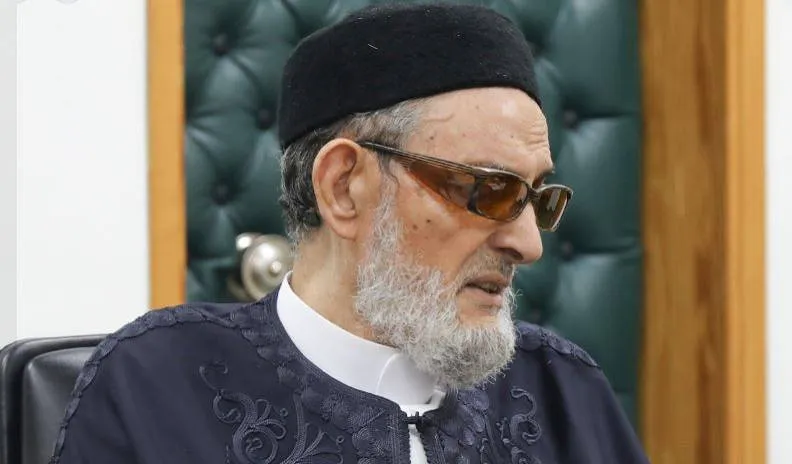
The fatwas issued by Libyan Mufti Sadek Al-Ghariani are continuing to provoke controversy among Libyans in the western part of the country. Their impacts on the economy, markets, and citizens' daily lives have become a heated topic of discussion in light of the ongoing political and living crises that have persisted since 2011.
Al-Ghariani's recent fatwa, which permits traders to raise prices when payments are made electronically, has sparked widespread debate, especially at a time when Libya is suffering from liquidity shortages and a decline in citizens' purchasing power. These economic interpretations have become a contentious issue among supporters and opponents alike.
Details of the Controversy
Opponents of Al-Ghariani argue that this fatwa contradicts his previous stances, which prohibited price increases when using bank cards, viewing such increases as exploitation of citizens. Additionally, the Friday Market Movement in the capital, Tripoli, has warned that this fatwa will exacerbate people's suffering.
Conversely, the Awqaf and Islamic Affairs Authority deemed the price increases as "unlawful treatment" according to Islamic law, while the Central Bank intervened to instruct the municipal guards to take punitive measures against traders who exploit citizens through price differences between cash and electronic payments, in a move aimed at promoting electronic payment culture.
Background & Context
Al-Ghariani is known as one of the controversial religious figures in Libya since 2011, having assumed the position of mufti by a decision from the National Transitional Council. His political and religious stances have sparked widespread debate, and he has been accused of bias towards Islamic movements in the years following the revolution, leading to his dismissal by parliament in 2014.
This fatwa is part of a series of interpretations that have previously stirred controversy, where Al-Ghariani spoke about defining citizens' needs for goods as a function of the government and the Ministry of Economy, rather than the Central Bank, thus separating the role of the state in economic planning from that of the Central Bank.
Impact & Consequences
Experts assert that economic issues are sensitive and technical matters, and any intervention by religious leaders or non-specialists could confuse the financial landscape and directly affect citizens' lives. Mourad Ghaith, a former member of the Central Bank, warned that misjudgments in these matters could lead to tangible repercussions on economic stability.
Al-Ghariani also criticized the company Arknou, accused of involvement in oil smuggling, raising questions about the limits of his societal role. He has issued controversial fatwas, including one that called for prioritizing Ankara in oil and gas exploration operations, complicating the situation further.
Regional Significance
These events illustrate how religious fatwas can influence the economy and politics in Arab countries, with Libya serving as an example of how religion intertwines with politics and economics. The ongoing debate surrounding Al-Ghariani's fatwas may reflect a state of instability in the country, affecting the social and economic situation of citizens.
In conclusion, the situation in Libya requires a comprehensive national dialogue that considers the public interest and separates religion from politics to avoid exacerbating the current crises.