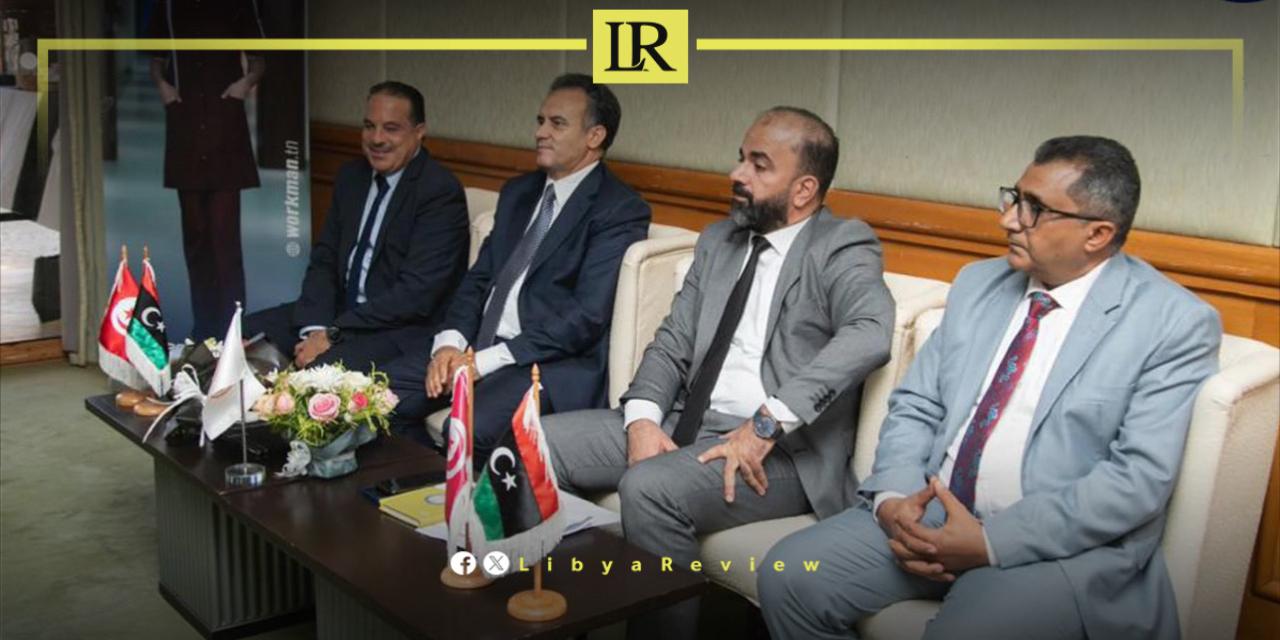
The unity government in Libya has announced the termination of the agreement signed with 'Arknou' for the development of oil fields, a step taken in light of increasing public rejection and widespread criticism of this agreement. This decision reflects the government's direction to respond to the demands of citizens who have expressed their dissatisfaction with the current economic and social conditions.
This move comes at a time when Libya is suffering from multiple crises, with citizens expressing concern about their economic future. The agreement with 'Arknou' has sparked widespread controversy, as many considered it not in the country's interest and feared it could exacerbate the situation rather than improve it.
Details of the Event
The agreement was signed between the Arabian Gulf Oil Company and 'Arknou' with the aim of developing oil fields in the country, but it quickly faced a wave of criticism. Many experts pointed out that the government had not taken the necessary measures to ensure transparency and community participation in such vital projects.
In light of these circumstances, the government decided to refer the agreement file to oversight, reflecting its desire to reassess the situation and ensure that any future steps align with the interests of the Libyan people. This decision came after a series of protests that swept the country, demanding improved economic conditions and better job opportunities.
Background & Context
Historically, Libya has suffered from political and economic instability since the overthrow of Muammar Gaddafi's regime in 2011. The country has witnessed internal conflicts that have led to a deterioration of living conditions for citizens. In recent years, the current government has attempted to achieve stability by attracting foreign investments, but this often conflicts with the demands of the people.
'Arknou' is considered one of the global companies seeking to invest in the Libyan oil sector, but it has faced significant challenges due to the volatile security and political situation. These circumstances have affected the government's ability to implement effective development projects.
Impact & Consequences
The termination of the agreement with 'Arknou' could have significant implications for the future of the oil sector in Libya. This decision may lead to the loss of important investment opportunities, which could negatively impact the national economy. However, some may view it as a positive step towards enhancing transparency and public participation in economic decisions.
Additionally, this decision may help improve the government's image among citizens, as it demonstrates its responsiveness to their demands. However, the question remains about how to compensate for the potential losses resulting from the termination of this agreement.
Regional Significance
Libya is considered one of the resource-rich countries in the region, and any changes in its economic policy could impact global oil markets. Given the current geopolitical tensions, other countries may seek to benefit from any decline in Libyan production.
Moreover, the government's success in improving economic conditions could serve as a model for other countries in the region facing similar crises. Achieving stability in Libya could contribute to enhancing regional cooperation and bolster opportunities for sustainable development.
In conclusion, the future of the oil sector in Libya hangs in the balance, depending on how the government addresses these challenges. The government's response to the people's demands may be key to achieving stability and development in the country.