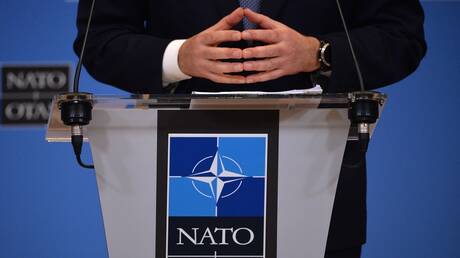
Lithuanian President Gitanas Nausėda has voiced his profound concern regarding the possible withdrawal of the United States from the North Atlantic Treaty Organization (NATO). He emphasized that this withdrawal would lead to a radical change in the alliance's structure, potentially affecting both European and global security.
In recent statements, Nausėda pointed out that the United States serves as the backbone of NATO, and its absence would render the alliance less effective in addressing increasing security challenges. He also warned that such a withdrawal could open the door for other powers to enhance their influence in the region.
Details of the Event
Nausėda's remarks come at a sensitive time, as fears grow over escalating geopolitical tensions in Europe. The relationship between NATO and Russia has seen significant strain in recent years, making the presence of the United States as a key ally essential for maintaining stability in the region.
The Lithuanian president added that a U.S. withdrawal could lead member states to reassess their commitments to the alliance, potentially weakening NATO's ability to respond to shared threats.
Background & Context
NATO was established in 1949 as a military alliance aimed at enhancing the collective security of its member states. Since then, the United States has played a pivotal role in supporting the alliance, both through funding and by maintaining its military presence in Europe.
However, political changes in the United States, particularly with presidential elections, could raise questions about Washington's commitment to the alliance. In recent years, there have been calls from some American politicians to reduce their military commitments abroad, which heightens concerns among European nations.
Impact & Consequences
If the United States were to withdraw from NATO, it could lead to a reshaping of alliances in Europe. Countries like Germany and France may seek to bolster their military capabilities independently, potentially resulting in a new arms race on the continent.
Moreover, a U.S. withdrawal could weaken NATO's position in facing Russian threats, possibly encouraging Moscow to take more aggressive actions in the region. This scenario could escalate tensions in Eastern Europe, particularly in the Baltic States, which are concerned about increasing Russian influence.
Regional Significance
The Arab region is also affected by changes in global politics, as any weakening of NATO could impact stability in the Middle East. Regional powers like Iran might exploit this situation to enhance their influence, complicating security dynamics.
Additionally, a U.S. withdrawal from NATO could affect military and security partnerships with Arab nations, altering the dynamics of regional relations.
In conclusion, the future of NATO hangs in the balance, dependent on decisions made by the United States regarding its continued support for the alliance or a shift towards a more isolationist policy. This decision will have far-reaching implications for both European and global security.