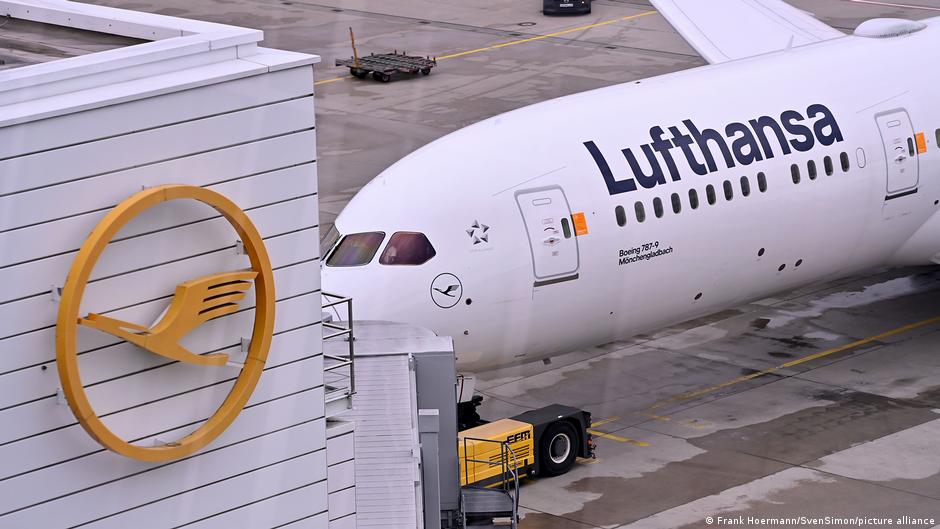
Lufthansa, Germany's national carrier, is celebrating its 100th anniversary, marking a significant milestone in the history of German aviation. The festivities coincide with the country's traditional peace marches for Easter, where thousands are expected to participate in events advocating for peace amid current crises.
The Easter-related events are taking place in various German cities, with over 100 events organized under the slogan "Reject Wars – Create Peace." Organizers hope that this year's participation will surpass last year's figures, where more than 40,000 people joined the marches in 2025.
Event Details
The celebrations for Lufthansa's centenary include events in Frankfurt, where the company's CEO, Carsten Spohr, has prepared a series of activities to commemorate this occasion. A new visitor center named "Hangar One" has also been opened at the company's headquarters in Frankfurt, showcasing the history of early aviation.
Lufthansa was founded as part of Deutsche Luft Hansa AG, with its first scheduled flight taking off from Berlin Tempelhof to Zurich on April 6, 1926. Since then, the airline has experienced remarkable growth, becoming one of the largest airlines in the world and founding the Star Alliance, which includes several airlines.
Background & Context
Despite its success, Lufthansa has faced significant challenges in recent years, including employee strikes, the COVID-19 pandemic, and rising fuel prices. The company also acknowledges its historical past, including its connections to the Nazi era, during which it was integrated into government structures and utilized forced labor.
Today, Lufthansa is seeking to restructure its operations amid challenging economic conditions, as its net income has declined and investor concerns have risen. The airline has launched a restructuring program that includes plans to cut approximately 4,000 jobs.
Impact & Consequences
Lufthansa faces new challenges due to rising fuel prices resulting from the conflict in Iran, threatening demand for its services. There are also concerns about potential strikes and broader economic pressures that could affect the company in the coming months. Under these circumstances, the future of the airline remains uncertain, raising investor worries about its ability to recover and grow.
These challenges coincide with calls from the peace movement in Germany for the German government to focus on diplomatic efforts to end conflicts and promote international law, reflecting the community's desire for peace amid global crises.
Regional Significance
Lufthansa is considered one of the leading airlines and has a significant impact on air transport between Europe and the Middle East. Given the current crises, the economic challenges facing the airline may affect ticket prices and services provided to travelers from Arab countries. Additionally, rising fuel prices could reflect on travel costs, impacting tourism and trade between Germany and Arab nations.
In conclusion, Lufthansa's centenary celebrations provide an opportunity to highlight the history of German aviation while the country faces new challenges that require effective responses from both the government and society. All eyes remain on how the airline will navigate these challenges and how it will affect the future of aviation in the region.