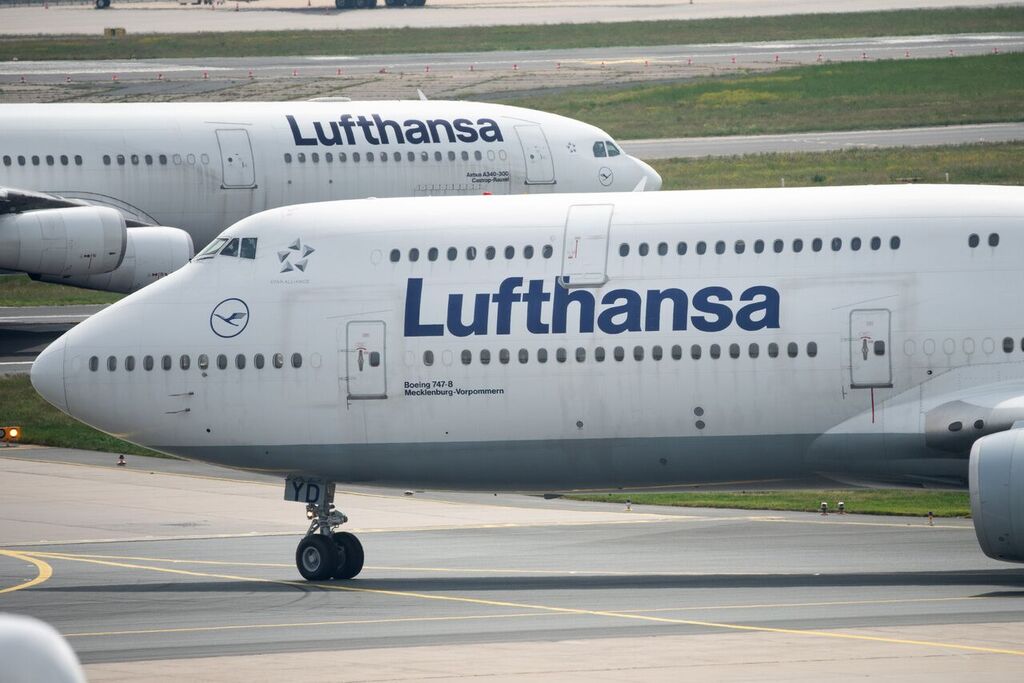
Lufthansa, the German airline, has witnessed a significant increase in flight bookings for March. The company's CFO, Till Strayer, indicated that this rise comes amid disruptions faced by Gulf airlines due to the ongoing war in the Middle East.
These developments occur at a sensitive time, as Gulf airlines are experiencing negative impacts on their operations, allowing Lufthansa an opportunity to strengthen its presence in the Asian market. This shift in bookings reflects the dynamic changes in the global aviation industry, especially in light of the political and economic crises affecting travel movements.
Details of the Event
Strayer reported that the increase in bookings reflects travelers' desire to seek safe and reliable travel alternatives, particularly amidst rising tensions in the region. Reports have shown that many travelers who initially planned to fly with Gulf airlines have turned to Lufthansa as an alternative option, contributing to the company's revenue boost.
Lufthansa aims to capitalize on this opportunity by expanding its services in Asian markets, focusing on offering direct flights to key destinations such as Hong Kong, Tokyo, and Seoul. This approach reflects the company's strategy to diversify its revenue sources and reduce reliance on traditional markets.
Background & Context
Historically, Gulf airlines such as Emirates, Qatar Airways, and Etihad have dominated travel between East and West, benefiting from their strategic geographical locations. However, recent political events, including armed conflicts and economic crises, have led to these companies retreating from certain markets.
In recent years, the Middle East has seen an escalation in tensions, impacting air travel overall. This situation has prompted many travelers to seek safer travel options, thereby increasing demand for European airlines like Lufthansa.
Impact & Consequences
This increase in bookings is seen as a sign of a shift in market dynamics, which could lead to a reshaping of competition among airlines. Lufthansa is expected to benefit from this situation to enhance its market share, which may positively reflect on its revenues and profits in the upcoming period.
Furthermore, these changes may increase pressure on Gulf airlines to develop new strategies to adapt to the changing conditions. These companies are likely to seek improvements in their services or offer competitive deals to attract travelers back.
Regional Significance
Considering the current situation, the impact of these developments extends to the Arab region as a whole. Disruptions in Gulf airlines may reduce travel options for Arab travelers, potentially increasing reliance on European airlines.
At the same time, Arab airlines may also experience negative effects due to this shift, necessitating a reevaluation of their strategies to adapt to market changes.
In conclusion, the increase in Lufthansa's bookings reflects a significant shift in the aviation industry, where political crises play a major role in shaping travelers' choices. Airlines must be prepared to face these challenges through innovation and adaptation to changing circumstances.