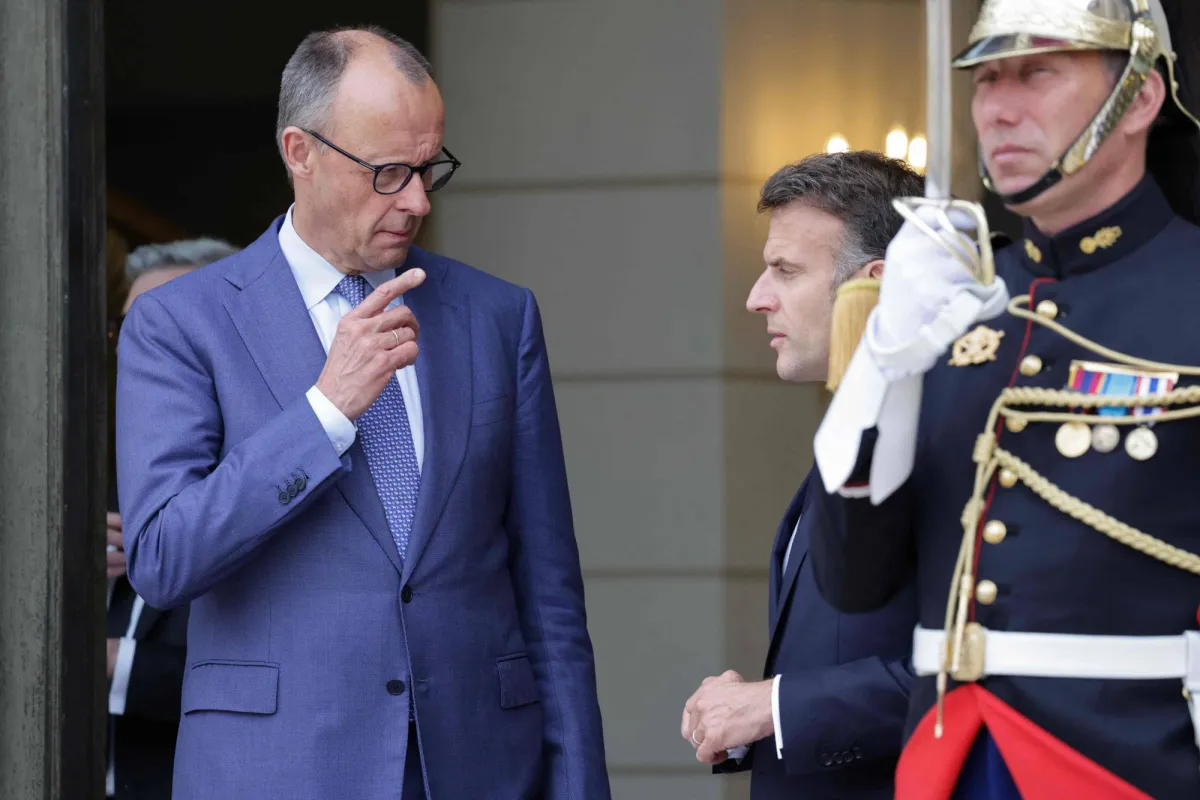
French President Emmanuel Macron announced on Monday that he will reach out to Iranian authorities after completing his two-day visit to Andorra. Macron underscored the importance of reopening the Strait of Hormuz, stating that this is essential for ensuring security and stability in the region.
During his remarks to reporters in Andorra, Macron stated: "We have established a coalition aimed at ensuring security, stabilizing the situation, and demonstrating that the international community supports the reopening of the Strait of Hormuz; therefore, I hope we can persuade the concerned parties in the coming days."
Details of the Event
In a related context, German Chancellor Friedrich Merz criticized the Iranian leadership, indicating that they "humiliate" the United States and cause American officials to head to Pakistan without achieving tangible results. These statements reflect the deep divisions between Washington and its European partners in NATO, which have been exacerbated by the situation in Ukraine and other issues.
Merz pointed out that the Iranians are skilled negotiators, or rather, in avoiding negotiations, as they left the Americans empty-handed after unproductive talks. He expressed hope that this situation would end as soon as possible.
Background & Context
These statements come at a sensitive time, as former U.S. President Donald Trump criticized his NATO allies for not sending naval forces to assist in reopening the Strait of Hormuz, which remains effectively closed, causing disruptions in markets and unprecedented energy supply shortages.
Merz also confirmed that there were no consultations with the Germans and Europeans before the commencement of the American and Israeli attack on Iran on February 28, complicating the situation further. Meanwhile, German Foreign Minister Johann Wadephol called on members of the UN Security Council to fulfill their responsibilities in this conflict.
Impact & Consequences
The Strait of Hormuz is a strategically important point for global oil and gas supplies, through which approximately 20% of these supplies pass. Wadephol warned that the energy and fertilizer shortages could pose a significant risk to global food supplies, highlighting the importance of reopening the strait.
At the same time, data tracking ships indicated that six tankers loaded with Iranian oil were forced to return to Iran due to the American blockade, reflecting the impact of the war with Iran on navigation through the strait. The U.S. military has indicated that it continues to enforce the blockade on Iranian ports.
Regional Significance
These developments directly affect the Arab region, as any escalation in the conflict between the United States and Iran could destabilize Gulf countries. Additionally, the continued closure of the Strait of Hormuz could lead to rising oil prices, negatively impacting the economies of oil-dependent Arab states.
In conclusion, the situation in the region remains tense, and much depends on the outcomes of communications between Macron and Tehran, as the international community hopes for long-term stability.