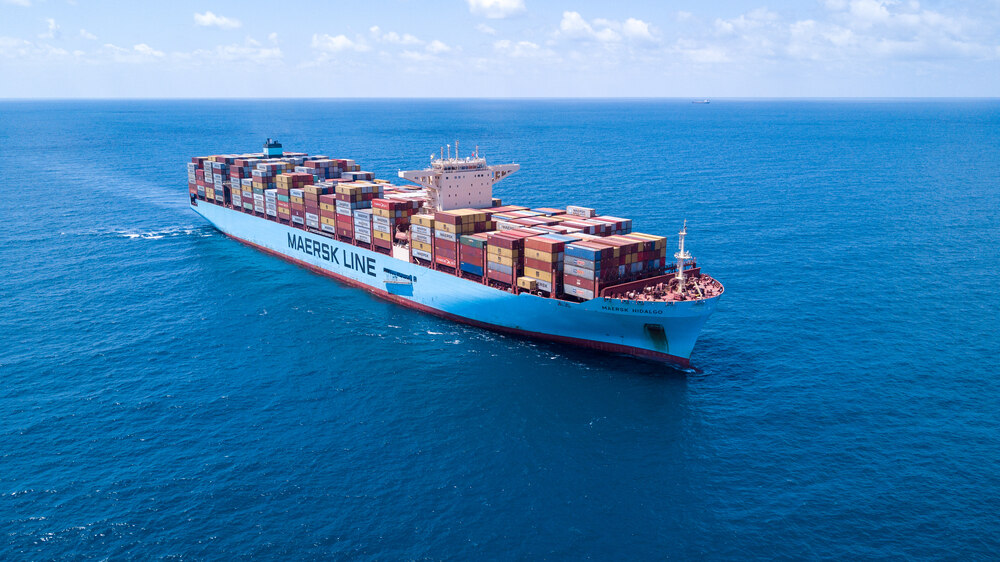
Maersk, one of the largest shipping companies globally, has declared that it will maintain a cautious approach in its operations through the Strait of Hormuz, despite the truce announced between the United States and Iran. This decision arises at a time when fears are escalating regarding the persistent tensions in the region, which significantly affect maritime navigation.
The Strait of Hormuz is a vital point in global trade, through which approximately 20% of the world's total oil passes. However, tensions between the United States and Iran have increased the risks associated with shipping in this sensitive area.
Details of the Situation
Despite the truce that has been reached, Maersk has confirmed that the situation in the Strait of Hormuz remains unstable. The region has witnessed numerous incidents in recent years that have impacted shipping, including attacks on commercial vessels.
It is worth noting that Maersk is not the only company adopting this cautious approach; many other shipping companies are following the same policy due to the rising risks. Company officials have indicated that safety is their top priority and that they will continue to monitor the situation closely.
Background & Context
Historically, the Strait of Hormuz has been a theater of political and military tensions between Iran and the United States. Since the US withdrawal from the Iranian nuclear deal in 2018, tensions have escalated, leading to a series of maritime incidents.
In recent years, the region has seen an uptick in attacks on commercial vessels, prompting many nations to bolster their military presence in the area to protect their interests. These events have heightened concerns among shipping companies and investors in global markets.
Impact & Consequences
The ongoing tensions in the Strait of Hormuz could significantly affect oil prices and global markets. Should any new escalation occur, we might witness a rise in oil prices due to increased shipping risks.
Moreover, any disruption in navigation through the strait could impact global supply chains, increasing costs and affecting the global economy as a whole.
Regional Significance
Arab countries, especially those that are oil producers, are directly affected by developments in the Strait of Hormuz. Any escalation in tensions could lead to higher oil prices, which may benefit some countries while simultaneously causing economic crises in others that rely on oil imports.
The stability of the region is crucial for achieving economic and social development; therefore, continued dialogue between the United States and Iran is essential to avoid any escalation that could negatively impact the region.