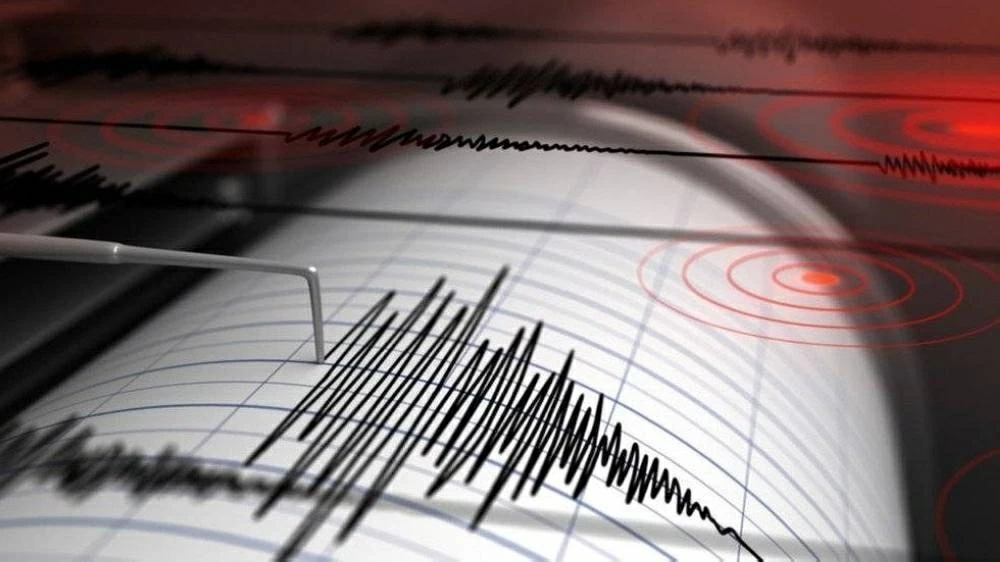
A magnitude 5 earthquake struck Ibaraki in the Greater Tokyo area of Japan, raising concerns among local residents. The Japan Meteorological Agency reported that the earthquake's epicenter was located at a depth of approximately 50 kilometers, which helped mitigate its impact on the surface.
Despite the earthquake's strength, the agency confirmed that there is no threat of a tsunami, providing reassurance to the public. So far, there have been no reports of damage or injuries resulting from this earthquake, reflecting an effective response from local authorities.
Details of the Event
The earthquake occurred early this morning, leading many residents in the Greater Tokyo area to experience light tremors. Earthquakes are a common phenomenon in Japan, which is situated on the seismic belt known as the Ring of Fire in the Pacific, where seismic activity occurs frequently.
Japan is considered one of the most prepared countries for dealing with earthquakes, having developed early warning systems and earthquake-resistant buildings. These preparations have contributed to reducing potential damage from earthquakes in the past.
Background & Context
Historically, Japan has experienced numerous devastating earthquakes, such as the Kobe earthquake in 1995 and the Fukushima earthquake in 2011. These events led to significant changes in government policies regarding infrastructure and public safety.
The Japanese government is actively working to enhance public awareness about how to act during earthquakes, organizing regular drills for citizens. These efforts reflect Japan's commitment to reducing the risks associated with earthquakes.
Impact & Consequences
While no damage has been reported thus far, earthquakes can significantly affect daily life and the local economy. Transportation and public services are directly impacted following earthquakes, necessitating a swift response from authorities.
Immediate response and coordination among various government agencies are vital to minimize the negative effects of earthquakes. In the event of damage, substantial efforts will be required for reconstruction and compensation for those affected.
Regional Significance
Although the earthquake is far from the Arab region, natural events like this remind Arab countries of the importance of preparedness for natural disasters. Many Arab nations face climatic challenges and natural disasters, necessitating the development of effective strategies to address them.
Arab countries can benefit from Japan's experiences in disaster preparedness, as Japan serves as a model for how to handle earthquakes and natural disasters effectively.