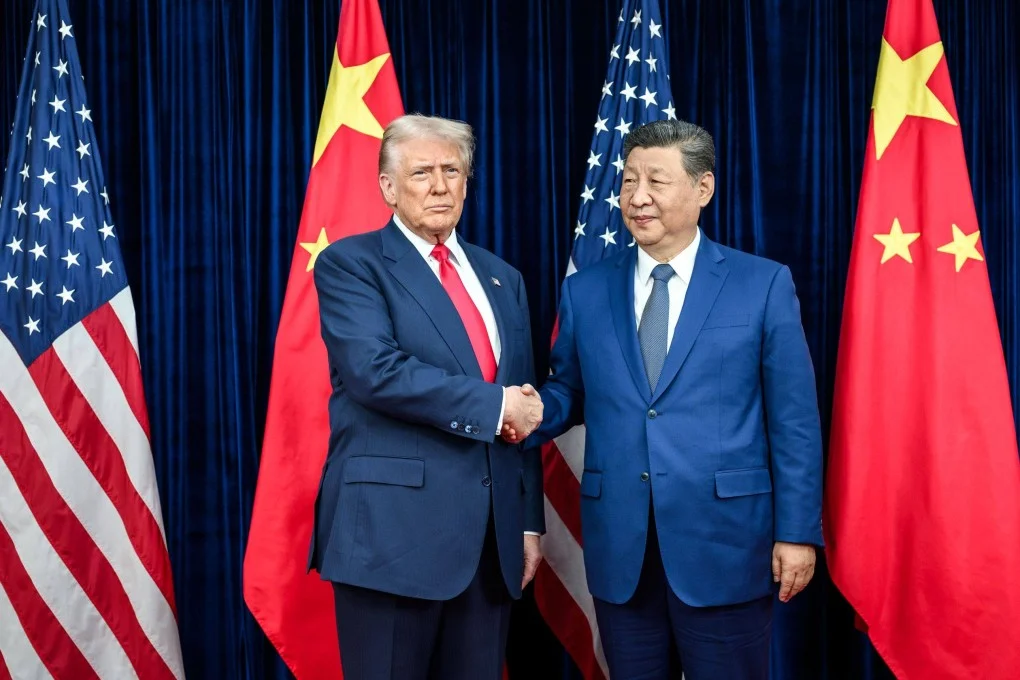
A recent annual survey conducted by the ISEAS-Yusof Ishak Institute shows that the majority of residents in Southeast Asia prefer to choose China as a strategic partner over the United States when asked to make a decision. These findings come at a time when geopolitical and trade uncertainties are increasing due to American policies, raising questions about the future of international relations in the region.
This survey serves as an indicator of changes in the global balance of power, as many ASEAN countries seek to strengthen their ties with China amid rising tensions with the United States. However, analysts warn against interpreting these results as a zero-sum game between the two superpowers, emphasizing that ASEAN nations are looking to diversify their partnerships in a multipolar world.
Survey Details and Findings
In the survey, participants were asked which superpower they preferred to collaborate with, and the results significantly favored China. Many analysts noted that this trend reflects dissatisfaction with American policies, particularly in the areas of trade and security. The results also indicated that many countries in the region are striving to achieve a balance in their international relations.
Concerns are growing that American policies may exacerbate tensions in the region, prompting many nations to seek strategic alternatives. Reports have confirmed that China offers greater economic opportunities, making it an attractive option for many countries in Southeast Asia.
Background & Context
Historically, relations between ASEAN countries and the United States have been strong, but recent changes in American policy, especially under the administration of Donald Trump, have negatively impacted these relations. In recent years, there has been an escalation in trade tensions between the United States and China, prompting ASEAN nations to reassess their strategic options.
China is now considered one of the largest trading partners for ASEAN countries, significantly contributing to economic growth in the region. This shift in relations also reflects changes in global geopolitical dynamics, as nations seek to pursue their national interests in a changing international environment.
Impact & Consequences
The findings suggest that ASEAN countries may move towards greater cooperation with China, which could affect American policies in the region. If these trends continue, we may witness a shift in strategic alliances, potentially reshaping international relations in Southeast Asia.
This trend may also reflect ASEAN nations' desire to enhance their independence from American dominance, which could lead to the emergence of new alliances in the future. The United States must reassess its strategy in the region to ensure it does not lose influence.
Regional Significance
For the Arab region, these developments could have significant implications. As China's influence in Southeast Asia grows, Arab countries may seek to strengthen their relations with Beijing, particularly in trade and investment. This shift could also open new avenues for economic cooperation between Arab nations and ASEAN countries.
In conclusion, these results indicate a significant transformation in international relations, as nations strive to achieve balance in their partnerships. All stakeholders must be aware of these changes and work to enhance cooperation to achieve their national interests.