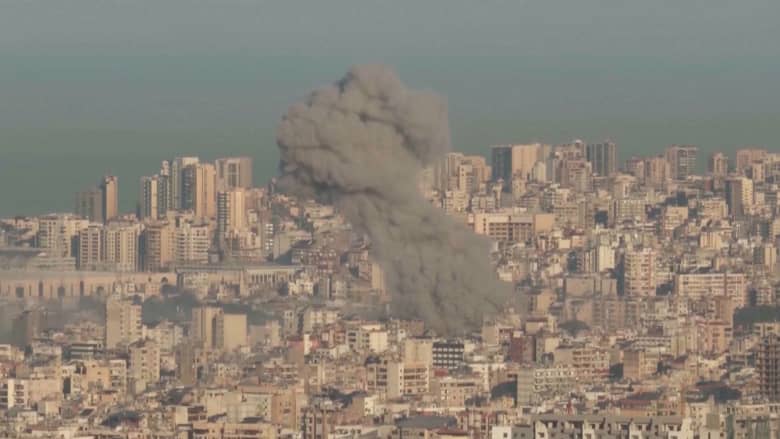
Today, the Israeli army recorded a tragic incident that resulted in the death of a man after his vehicle burned in the Misgav area of Upper Galilee, following a rocket strike from Lebanese territory. Israeli forces monitored the incident immediately upon its occurrence, reflecting an escalation of tensions at the border between Lebanon and Israel.
Channel 12 in Israel reported that the shelling also raised concerns about individuals being trapped inside other vehicles, noting that two vehicles had burned at the same site. In this context, the Israeli Civil Defense announced that shrapnel had fallen in several areas in the south of the country, but no injuries were reported among civilians.
The recent events come amid an increase in Israeli shelling on Lebanon since March 2, which, according to Lebanese authorities, has resulted in the deaths of more than a thousand people and injuries to about 2,584 others, in addition to the displacement of over a million Lebanese within the country. Furthermore, air raid sirens were activated in areas near the border due to fears of drone infiltration, exacerbating the tense situation in the region.
In an official reaction, Hezbollah announced early today that it had carried out 14 military operations targeting sites and gatherings of the Israeli army, asserting that these operations were in the context of defending Lebanon and its people. The attacks targeted sites in Adaisseh, Markaba, and Kherbet Yaron, as well as the town of Khyam and the Hamamess site, reflecting a military escalation that could affect the stability of the entire region.
Reports also pointed to the Israeli Home Front activating sirens in the Malakiya and Avivim areas of Upper Galilee, due to fears of drone entries from Lebanon, highlighting the ongoing anxiety experienced by residents in border areas.
The casualties from the shelling and its implications for civilians are increasing, stirring fears of further exacerbation of the complex conflict in the region, where each act of violence from either side contributes to a new humanitarian crisis. Moreover, the reciprocal violations between Hezbollah and Israel intensify tensions between the two sides, making diplomatic solutions more challenging to achieve.
Meanwhile, the situation in Lebanon reflects on the broader regional context, as concerns grow over the potential spillover effects of the conflict on neighboring countries. Many observers have warned that the ongoing violence could lead to wider unrest in the Middle East, alarming many Arab nations regarding regional stability.
The current circumstances may serve as a new starting point for further military and political reactions between Lebanon and Israel. Experts believe that the humanitarian consequences of these events will be long-lasting, both socially and economically within Lebanon, as the present conditions exacerbate the daily sufferings of the population.
The military escalation witnessed by both sides has roots in historical and social factors, with the conflict extending over several decades, necessitating new strategies to address humanitarian crises and emphasizing the need for more effective international intervention to ensure peace and stability.