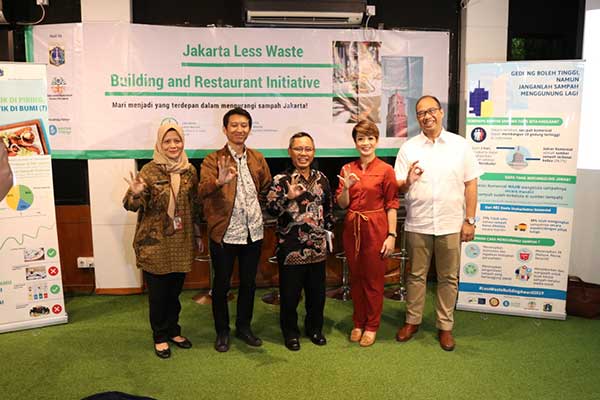
The West Jakarta government (Pemkot Jakbar) has announced a mandate for all government offices to separate waste into three categories: organic, inorganic, and residual waste. This decision is part of the city's efforts to achieve environmental sustainability goals and reduce the amount of waste sent to landfills.
West Jakarta Mayor In Muthmainah stated that this measure is a response to the Jakarta governor's directives aimed at reducing waste at the source. She emphasized that this project requires cooperation from all parties, including the private sector, academics, and the media, to achieve the desired goals.
Details of the Initiative
The West Jakarta government aims to manage 70% of waste at the source, while 30% of the remaining waste will be disposed of in final disposal sites. The mayor confirmed that all offices in West Jakarta will participate in this initiative, which is expected to lead to a significant reduction in waste volume.
The Suku Dinas Lingkungan Hidup (Environmental Agency) has been tasked with providing a model for waste separation and management, implementing a zero waste system in its offices.
Background & Context
Historically, Jakarta has faced significant challenges in waste management, with the city suffering from waste accumulation in streets and public areas. In 2019, the Jakarta governor issued directives aimed at improving waste management, leading to this new initiative.
This step is part of broader efforts to enhance environmental awareness in the community, as the government seeks to engage citizens in the waste management process and improve the quality of life in the city.
Impact & Consequences
This initiative is expected to improve the environmental situation in Jakarta by contributing to a reduction in the amount of waste sent to landfills. Additionally, this step may inspire other cities in Indonesia to adopt similar policies.
Furthermore, involving the private sector and civil society in this process reflects the importance of collaboration among all parties to achieve sustainable development goals.
Regional Significance
Waste management is a pressing issue in many Arab countries, where numerous cities face similar challenges. Jakarta's experience could serve as a model for Arab nations seeking to improve waste management and promote environmental sustainability.
Ultimately, this initiative underscores the importance of collective action in addressing environmental challenges, indicating the necessity for concerted efforts between governments and communities to achieve a cleaner and more sustainable environment.