Economic reports indicate a significant decline in manufacturing activity across Asia due to financial pressures stemming from the ongoing war in Iran. This downturn occurs at a critical time as Asian countries strive to recover from the impacts of the COVID-19 pandemic. Recent data has shown that the Purchasing Managers' Index (PMI), which measures industrial sector activity, has dropped considerably.
Reports suggest that pressures from rising costs of raw materials and energy, resulting from the ongoing conflict in Iran, have negatively impacted production in many Asian countries. Additionally, these pressures have led to increased production costs, prompting many companies to reassess their production strategies.
Details of the Event
According to the data, the Purchasing Managers' Index in China, the largest economy in Asia, has recorded a notable decline, reflecting a decrease in both domestic and global demand. Countries such as Japan and South Korea have also experienced a downturn in industrial activity, raising concerns about economic growth in the region.
This decline comes at a time when Asian governments are seeking to boost their economies after a prolonged period of lockdowns due to the COVID-19 pandemic. However, the impact of the war in Iran adds a new layer of complexity to recovery efforts.
Background & Context
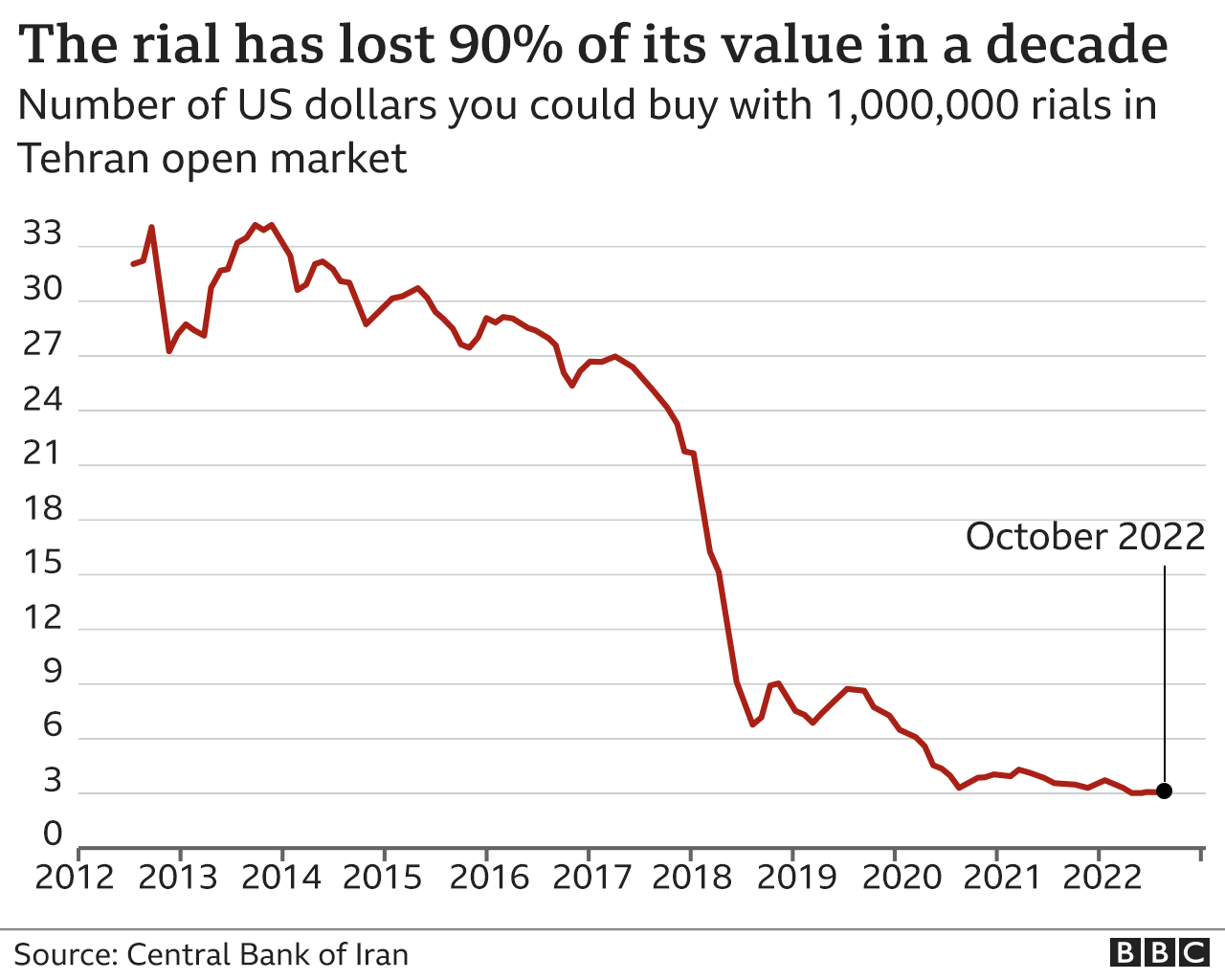
Historically, Iran has been a key center for industrial production in the region, but ongoing conflicts and economic sanctions have led to a significant decline in its production capacity. The current war in Iran has exacerbated these crises, affecting supply chains throughout Asia.
Moreover, geopolitical tensions in the region, including conflicts between Iran and Western countries, have contributed to economic instability. These combined factors have led to a decline in investor confidence in Asian markets.
Impact & Consequences
The economic impacts of this decline could be widespread. Companies relying on raw materials from Iran face significant challenges in securing supplies at reasonable prices. This situation could lead to increased prices for consumers, negatively affecting purchasing power.
Furthermore, the decline in industrial activity may result in rising unemployment rates in some countries, adding an additional burden on governments striving to stimulate economic growth. Under these circumstances, governments may need to implement stimulus measures to support the economy.
Regional Significance
The impact of these developments extends to Arab countries, many of which are among the largest importers of industrial products from Asia. Any decline in production could lead to supply shortages and rising prices, affecting Arab markets.
Additionally, tensions in Iran could affect regional stability, increasing economic risks in the area. Arab countries that rely on imports from Asia may find themselves in a difficult position under these circumstances.
In conclusion, the decline in manufacturing activity in Asia due to pressures from the war in Iran poses a significant challenge for the region. A swift response from governments is required to boost economic growth and mitigate the effects of these pressures on the markets.