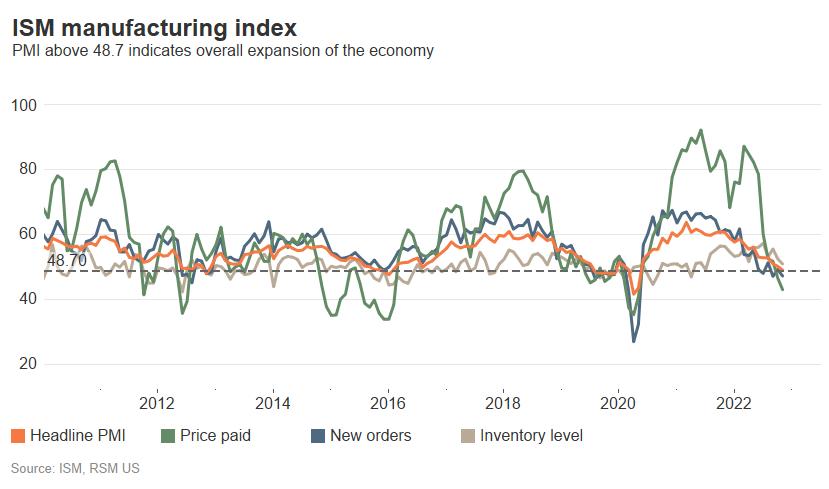
The manufacturing sector in Australia has contracted for the first time in five months as of March, where demand levels have decreased and financial pressures have increased amid escalating conflict in the Middle East. These developments indicate growing negative impacts on the Australian economy, raising concerns among investors and analysts.
According to reports, this contraction comes at a sensitive time, as the global economy suffers from the repercussions of the ongoing war in the region, negatively affecting supply chains and raw material prices. Data has shown that Australian companies are facing significant challenges in meeting rising demands, leading to a decline in production.
Details of the Event
In March, data indicated that the manufacturing Purchasing Managers' Index fell to its lowest level, reflecting a decline in activity within the sector. This drop comes after a period of stable growth, raising questions about the future of the sector under current conditions. Companies in Australia have reported an increase in production costs, which has impacted profit margins.
Many companies in the industrial sector have expressed concern over the continuation of economic pressures, as raw material and transportation costs have risen. These combined factors have led to a decline in market confidence, which is reflected in investment and growth plans for the future.
Background & Context
Historically, the manufacturing sector in Australia has been one of the main pillars of the economy, significantly contributing to the GDP and providing job opportunities. However, global challenges such as armed conflicts, climate change, and major economic shifts are increasingly affecting this sector. The recent escalation of the war in the Middle East has caused disruptions in global supply chains, directly impacting Australian companies.
Moreover, Australia heavily relies on its exports of raw materials, making it vulnerable to fluctuations in the global market. These conditions place additional pressure on local companies, necessitating new strategies to adapt to the current situation.
Impact & Consequences
The contraction in the manufacturing sector could lead to widespread repercussions for the Australian economy. With declining production, employment levels may be affected, potentially increasing unemployment rates. Additionally, decreased demand could lead to a reduction in investments, hindering sustainable economic growth.
An analysis of the current situation indicates the need for swift action by the Australian government to support the sector. Such measures may include providing incentives for companies, facilitating access to financing, and promoting innovation within the industrial sector.
Regional Significance
The impacts of the war in the Middle East are not confined to Australia but extend to the Arab region. The escalation of conflicts affects oil and raw material prices, impacting the economies of Arab countries that rely on these resources. Furthermore, a decline in demand in global markets could lead to a drop in Arab exports, negatively affecting economic growth in the region.
Under these circumstances, Arab countries must consider new strategies to adapt to global changes and enhance regional cooperation to mitigate the effects of economic crises.