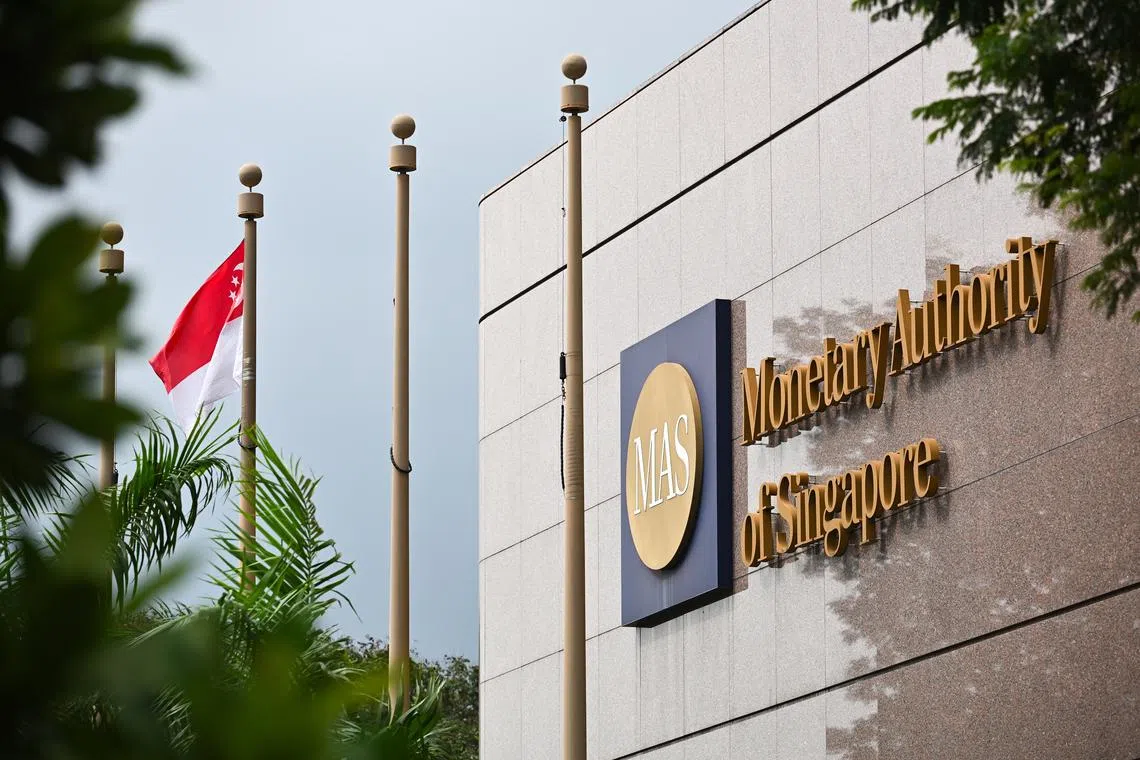
The Monetary Authority of Singapore (MAS) has announced its intention to collaborate with banks to enhance the protection system of the GIRO direct debit service after parents encountered issues related to double deductions. This step follows the closure of a series of student care centers, leading to financial confusion for affected families.
MAS aims to address the growing concerns among parents who have experienced problems with deductions from their bank accounts, where amounts were deducted twice in some cases. This situation has sparked widespread discontent, prompting the authority to take swift action to ensure that such incidents do not recur in the future.
Details of the Initiative
In recent weeks, many families in Singapore have faced issues with the GIRO system, where unexpected additional fees were deducted. These incidents came after the closure of several student care centers, resulting in ambiguity regarding how deductions were managed. MAS has confirmed that it is working closely with banks to ensure the enhancement of the protection system and to avoid any future errors.
The new plans include strengthening oversight of direct debit operations, as well as improving communication with parents regarding any changes that may occur in the payment system. MAS will also develop new mechanisms to ensure that deductions are made accurately and correctly.
Background & Context
Historically, the GIRO system is one of the important financial systems in Singapore, allowing families to pay fees automatically and regularly. However, any issues related to this system can significantly impact families, especially in the current economic climate. The country has seen an increase in reliance on digital services in recent years, making it essential to improve payment systems to ensure that errors do not occur.
The closure of student care centers has had a significant impact on many families, as many relied on these services to provide care for their children during working hours. With rising financial pressures, any issues related to deductions can exacerbate the financial situations of families.
Impact & Consequences
This step by MAS is seen as a positive move towards enhancing trust between families and financial institutions. By improving the GIRO system, families can avoid further financial problems, contributing to the stability of their financial situations. Additionally, these measures may enhance MAS's reputation as a reliable authority in managing the financial system.
Furthermore, improving the protection system can encourage more families to use digital services, contributing to the growth of the digital economy in Singapore. In light of the global trend towards digitization, these steps could serve as a model for other countries.
Regional Significance
The collaboration between MAS and banks signifies a proactive approach to addressing financial concerns that affect families. As Singapore continues to evolve into a digital economy, ensuring the reliability of financial systems becomes paramount. This initiative not only aims to rectify current issues but also sets a precedent for future enhancements in financial services.
In conclusion, by taking these measures, MAS is not only addressing immediate concerns but also reinforcing the foundation for a more secure and reliable financial environment for families in Singapore.