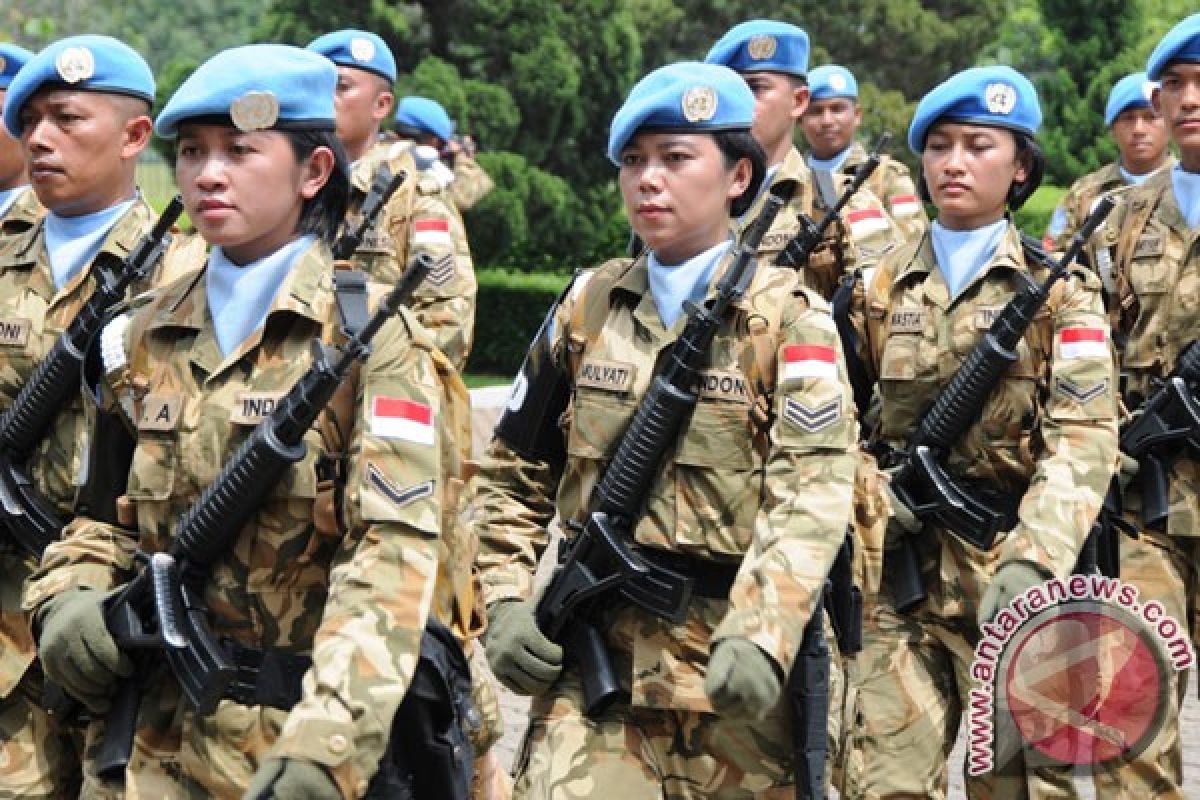
On Sunday morning, thousands of citizens gathered in Jakarta, Indonesia, to honor three Indonesian soldiers who lost their lives while serving in Lebanon as part of a United Nations mission. The demonstration, organized by a group of Islamic organizations, featured a significant turnout and raised slogans calling for peace and freedom for Palestine.
The demonstrators gathered in front of the United States Embassy in Indonesia, arriving early in the morning. Participants wore white clothing as a sign of mourning and solidarity, while holding banners and pictures of the fallen soldiers, adding a solemn atmosphere to the event.
Event Details
The demonstration began at 8:30 AM local time, with protesters assembling in the Merdeka Selatan area. The crowds extended to the gates of the Monas Monument, indicating the large scale of participation. A speaking platform was set up, where eulogies and calls for peace were interspersed throughout the demonstration.
The three soldiers being honored were: Major Inf (Anumertha) Zulmi Aditya Iskandar, Serka (Anumertha) M. Nur Eishwan, and Kopda (Anumertha) Farizal Romadon, who were part of the United Nations Interim Force in Lebanon (UNIFIL). They fell while carrying out their humanitarian missions in the region.
Background & Context
Indonesia is known for its active participation in international peacekeeping missions, contributing troops to various conflict zones around the world. In recent years, the risks faced by these forces have increased, particularly in conflict areas like Lebanon. Indonesia's involvement in these missions reflects its commitment to international peace and security, but it also exposes its soldiers to significant dangers.
This demonstration comes at a sensitive time, as tensions in the Middle East escalate, particularly regarding the Palestinian issue. The participants expressed their solidarity with the Palestinian people, reflecting the cultural and religious ties that bind the two nations.
Impact & Consequences
This demonstration serves as an expression of national unity and solidarity with the armed forces, highlighting the important role Indonesia plays on the international stage. The loss of soldiers while performing their duties brings to mind the challenges faced by peacekeeping forces and raises questions about how to enhance the safety of soldiers in future missions.
Moreover, these events could influence domestic politics in Indonesia, potentially leading to calls for increased government support for peacekeeping forces and raising public awareness about the risks these troops face.
Regional Significance
The events in Indonesia are closely related to Arab issues, especially concerning the Palestinian cause. The solidarity shown by the demonstrators with Palestine reflects the shared Arab and Islamic spirit in supporting the rights of Palestinians. Additionally, Indonesia's participation in peacekeeping missions strengthens the position of Islamic countries in supporting peace and stability in the region.
In conclusion, this demonstration reflects not only the sorrow over the loss of soldiers but also the hope for achieving peace and stability in conflict areas, emphasizing the importance of international cooperation in addressing global challenges.