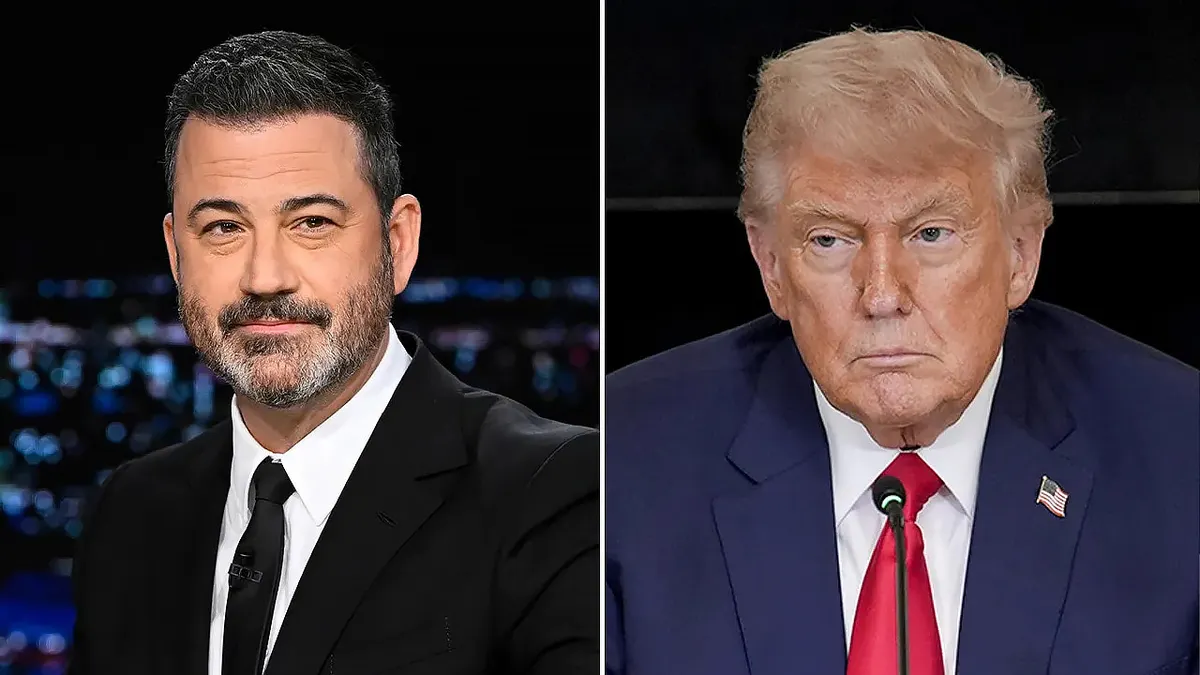
In a controversial stance, Melania Trump criticized Jimmy Kimmel, demanding he stop mocking her. This occurred during her appearance on a television show, where she deemed his comments cowardly.
Melania spoke on "The Tonight Show," where she highlighted some instances of mockery directed at her by Kimmel, pointing out that his negative comments are not only unprofessional but also reflect a lack of respect.
Details of the Incident
In her remarks, Melania emphasized that she is not against criticism, but she prefers it to be constructive rather than mocking. These statements sparked mixed reactions on social media, with some considering Melania to be defending herself against negative comments, while others believed that such responses could escalate tensions between public figures.
It is worth noting that Kimmel is known for his sarcastic style of hosting, making him a target for much criticism from public figures. However, Melania Trump, as the former First Lady of the United States, has a large fan base, making her statements widely discussed.
Background & Context
Historically, Melania Trump has been in the media spotlight since entering the White House. She has faced numerous criticisms regarding her lifestyle and decisions. At the same time, Jimmy Kimmel is one of the prominent comedic hosts in the United States, addressing political and social topics in a satirical manner.
This tension between public figures is not new, as the media landscape has witnessed many confrontations among celebrities, reflecting the competitive nature of the media and entertainment world. These confrontations often lead to increased viewership and engagement on social media.
Impact & Consequences
These statements may affect Melania Trump's image, as they can be seen as a defense or an attempt to draw attention. Conversely, Kimmel may benefit from this confrontation by increasing viewership for his show, as controversy always attracts viewers.
Moreover, these statements could lead to broader discussions about freedom of expression and the limits of criticism in the media. While criticism is considered part of freedom of expression, the manner in which it is presented can be contentious.
Regional Significance
Although this event involves American figures, its impact may extend to the Arab region through social media. Many Arabs follow news about American celebrities, making such events part of daily discussions.
Additionally, the debate over freedom of expression and criticism can resonate in the Arab world, where these issues are sensitive in many countries. Thus, such confrontations may pique Arab public interest and open discussions on how to handle criticism in the media.
In conclusion, these confrontations between public figures remain part of media culture, reflecting the tensions and controversies surrounding the worlds of politics and entertainment.