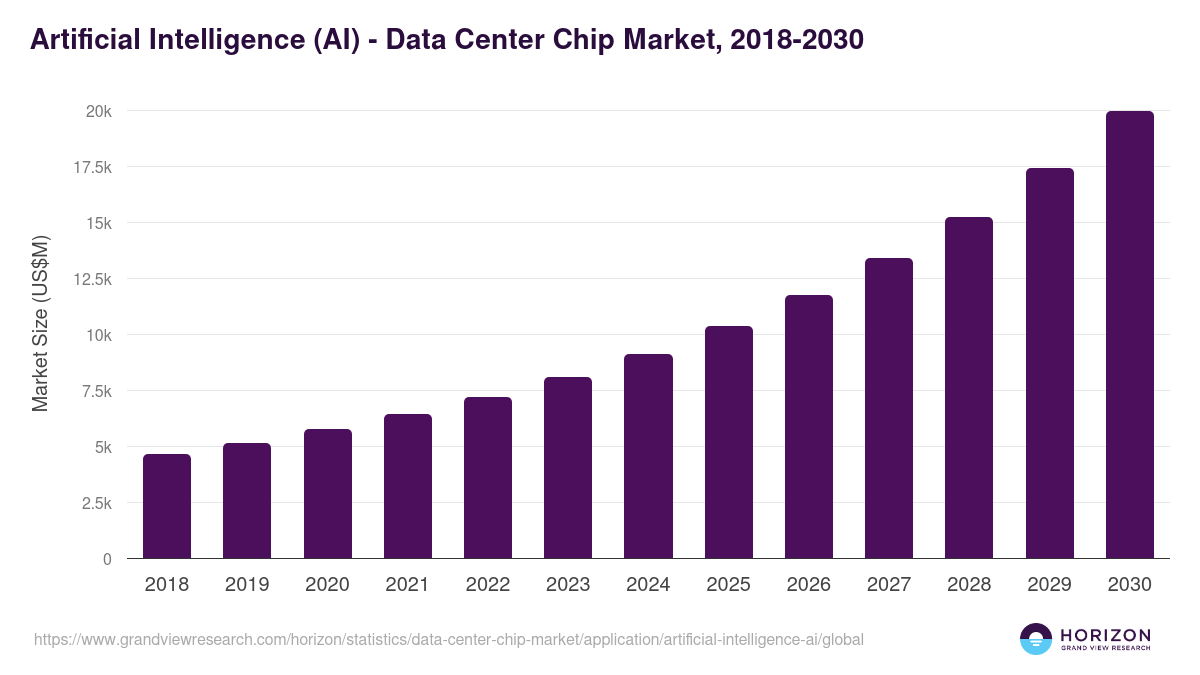
Recent reports indicate that artificial intelligence data centers will require much less memory chips than expected, leading to an estimated loss of $100 billion in the value of stocks for manufacturers of these chips. This decline occurs at a time when demand for AI technologies is rising, yet new forecasts suggest that previous investments were based on inaccurate assumptions.
This news comes as a shock to investors who had bet on significant growth in demand for memory chips, as forecasts had indicated a substantial increase in memory consumption due to the need to process vast amounts of data in AI data centers. However, recent research suggests that these centers may not need as much memory as previously thought.
Details of the Event
Challenges are increasing in the memory chip market, as research has shown that memory efficiency in AI data centers has improved significantly, reducing the need for massive investments in this area. Major companies like NVIDIA and Micron have experienced sharp declines in their stock prices, reflecting investor concerns that demand for their products may not be as expected.
This stock decline follows a period of boom in the AI market, where companies anticipated that the rising demand for AI technologies would lead to a significant increase in memory chip consumption. However, it seems that the new forecasts have shown that these companies need to reassess their investment strategies.
Context and Background
In recent years, there has been a surge in the use of AI technologies, leading to a significant increase in demand for data centers that support these technologies. However, rapid changes in technology and new innovations can lead to market volatility, making it difficult for investors to predict future trends.
Historically, memory chip markets have been significantly affected by changes in technology demand. In past years, this market has experienced considerable fluctuations, with prices rising sharply during periods of high demand, then sharply declining when demand fell. This pattern appears to be repeating itself with the emergence of new forecasts regarding memory needs for AI data centers.
Implications and Effects
The implications of this decline in memory chip stocks are widespread, as it could affect major companies' investments in the AI sector. Companies may need to reassess their strategies and redirect their investments towards other areas, potentially leading to a slowdown in innovation in this sector.
Moreover, this decline could impact investor confidence in the technology market as a whole, potentially leading to greater volatility in financial markets. Amid rapid technological changes, investors may find themselves in a difficult position trying to predict future trends.
Impact on the Arab Region
In the Arab region, this decline may have noticeable effects on technology and innovation investments. With increasing interest in developing AI technologies in Arab countries, these changes in the memory chip market could lead to a reassessment of investment strategies in this field.
Additionally, Arab companies investing in AI technologies may need to rethink their strategies, which could affect their plans for expansion and growth in the future. Under these circumstances, it is crucial for Arab companies to stay updated on global market developments and adapt to rapid changes.