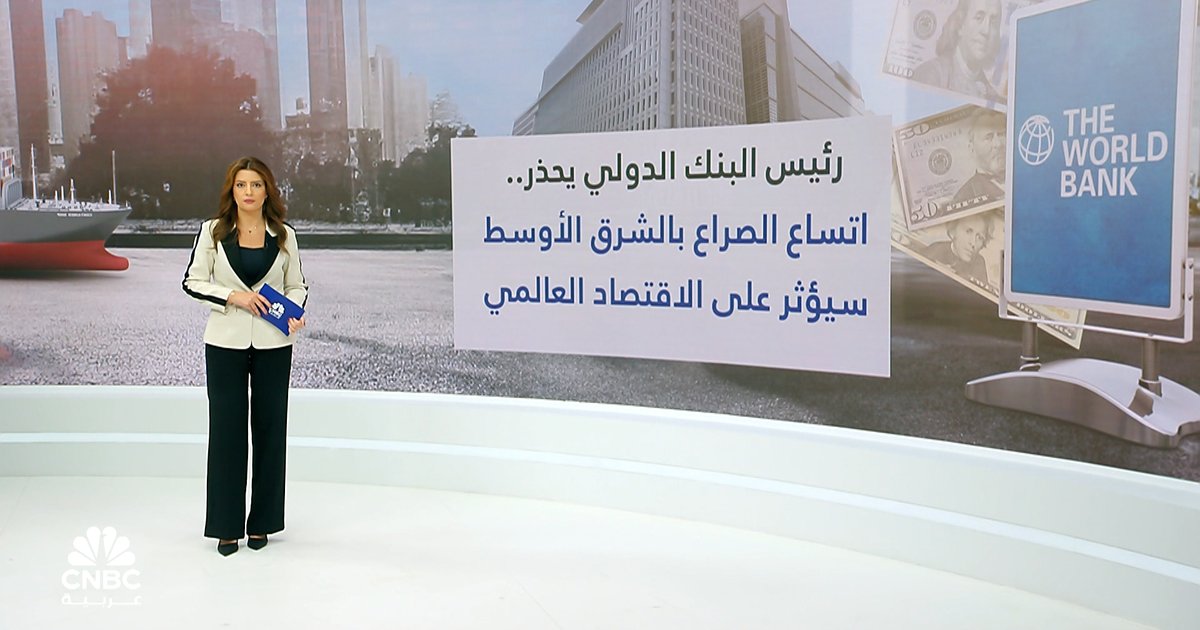
Russian President Vladimir Putin warned on Thursday that the repercussions of the ongoing conflict in the Middle East could be as severe as the impact of the COVID-19 pandemic. Putin noted that the current situation significantly affects international logistics and supply chains, putting immense pressure on oil, gas, minerals, and fertilizer companies.
During his remarks, Putin explained that the situation in the Middle East is complex, making it difficult to predict its consequences on the global economy. He confirmed that the conflict could exacerbate the economic crises faced by many countries, especially those dependent on importing essential resources.
Details of the Event
Putin's statements come at a time when the Middle East is witnessing escalating tensions, with growing concerns about the conflict's impact on regional and international stability. Many analysts have pointed out that the ongoing crises in the region, including armed conflicts and humanitarian crises, could lead to worsening global economic conditions.
Putin also added that the conflict in the Middle East is causing severe damage to supply chains, affecting countries' ability to obtain essential resources. This is particularly concerning given the economic crises many nations are experiencing as a result of the COVID-19 pandemic.
Background & Context
Historically, the Middle East has experienced numerous armed conflicts that have had far-reaching effects on the global economy. Since the beginning of the new millennium, tensions in the region have escalated, leading to worsening humanitarian and economic crises.
The COVID-19 pandemic is considered one of the largest crises faced by the world in the 21st century, leading to the collapse of many economic systems. Putin indicated that the conflict in the Middle East could exacerbate these crises, necessitating greater international attention.
Impact & Consequences
The potential repercussions of the conflict in the Middle East are manifold, as they could lead to increased oil and gas prices, affecting the global economy as a whole. Additionally, pressure on supply chains could result in shortages of essential materials, negatively impacting the lives of citizens in many countries.
Furthermore, the increasing crises in the Middle East could worsen humanitarian conditions, prompting international intervention to assist those affected. This poses a significant challenge for humanitarian organizations and donor countries.
Regional Significance
For the Arab region, the repercussions of the conflict in the Middle East could be severe. Many Arab countries are suffering from crippling economic crises, and the conflict could exacerbate these issues, increasing the suffering of citizens.
Moreover, deteriorating security conditions could lead to increased migration and displacement, posing an additional challenge for Arab countries hosting refugees. Therefore, the situation in the Middle East requires urgent responses from Arab nations and the international community.
In conclusion, the repercussions of the conflict in the Middle East remain a complex issue that requires urgent international attention. The international community must work together to mitigate the effects of the conflict and ensure stability in the region.