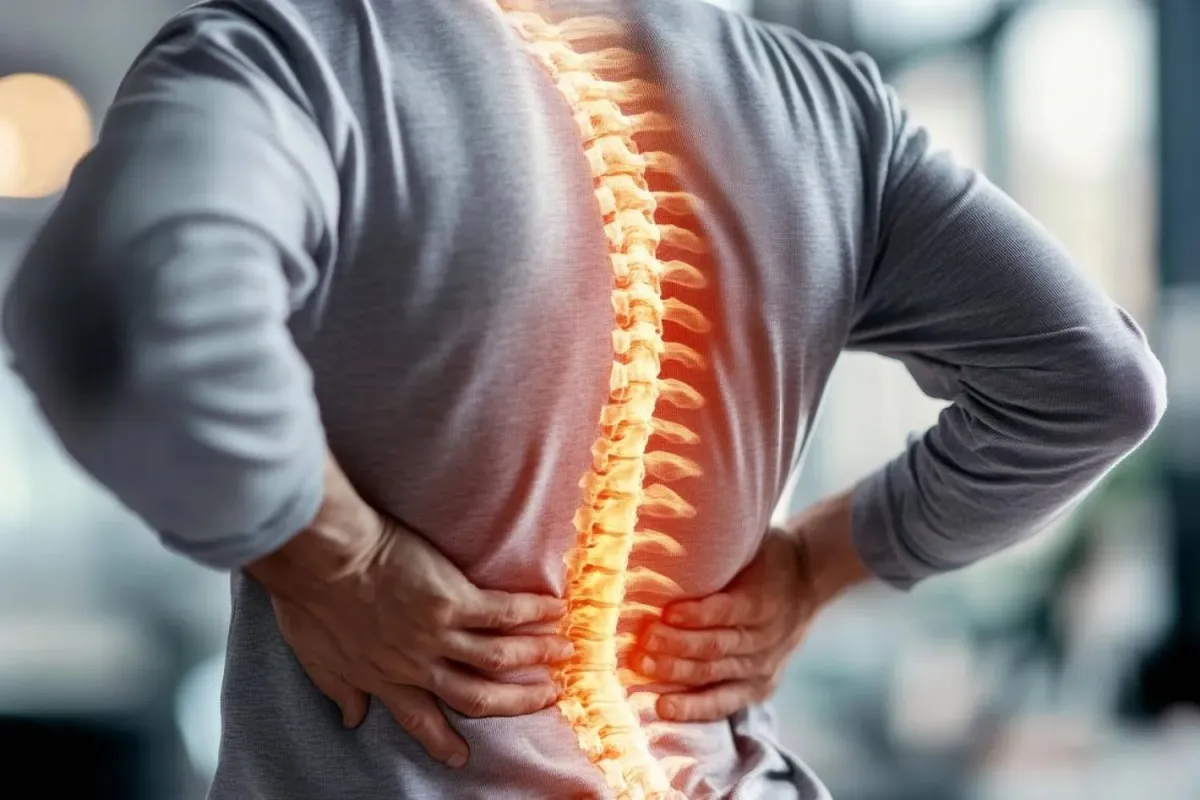
Milk is considered one of the most prominent beverages that support bone health due to its richness in calcium, protein, and vitamin D. These essential elements play a vital role in building bones and maintaining their strength, making the care of bones and joints an urgent necessity for preserving mobility and quality of life.
We spoke to two nutrition experts from the Ingalls Memorial Hospital affiliated with the University of Chicago Medical Center, where certified specialist Mary Condon and intern Sara Elster emphasized the importance of calcium and vitamin D as key nutrients for bone and joint health. Reports indicate that fortified milk is an important option for those who do not get enough vitamin D from sunlight.
Event Details
About 99% of calcium is stored in the bones, making it an essential element for maintaining their health. Adults are advised to consume about 1000 milligrams of calcium daily. Elster explained that the body improves its regulation of calcium on its own for bone formation and resorption. Calcium-rich foods include dairy products such as milk, cheese, and yogurt, as well as green leafy vegetables like kale and broccoli.
One cup of milk contains about 300 milligrams of calcium, making it an excellent source for bone health. As people age, some may suffer from lactose intolerance, necessitating the use of alternatives such as almond or cashew milk, which contain a good amount of calcium.
Background & Context
Vitamin D is essential for the effective absorption and utilization of calcium. However, food sources rich in vitamin D are limited, with the most important being salmon, dark mushrooms, eggs, and fortified dairy products. A deficiency in vitamin D can negatively impact bone health, mood, and energy levels.
Multivitamins containing calcium and vitamin D are part of a healthy diet, but it is preferable to focus on obtaining nutrients from natural food sources. Omega-3 fatty acids also play an important role in bone and joint health, helping to prevent joint injuries and reduce inflammation.
Impact & Consequences
The individuals most at risk for bone and joint problems are the elderly, particularly women, who are classified as the most susceptible to osteoporosis and arthritis. Additionally, being overweight or obese places extra stress on bones and joints. Pregnant and nursing women are advised to increase their intake of calcium and vitamin D compared to the recommended amount.
Experts emphasize the importance of consulting a primary care physician or nutrition specialist before making any dietary changes to ensure the best practices for bone and joint health are followed.
Regional Significance
Bone health is a significant health issue in Arab countries, where rates of osteoporosis and arthritis are increasing. It is advised to enhance nutritional awareness and provide information about the importance of calcium and vitamin D in the diet. Efforts should also be made to improve access to healthy food sources, especially in communities that suffer from a deficiency of these elements.
In conclusion, milk and its derivatives are essential dietary options that should be included in daily nutrition to maintain bone and joint health and ensure quality of life.