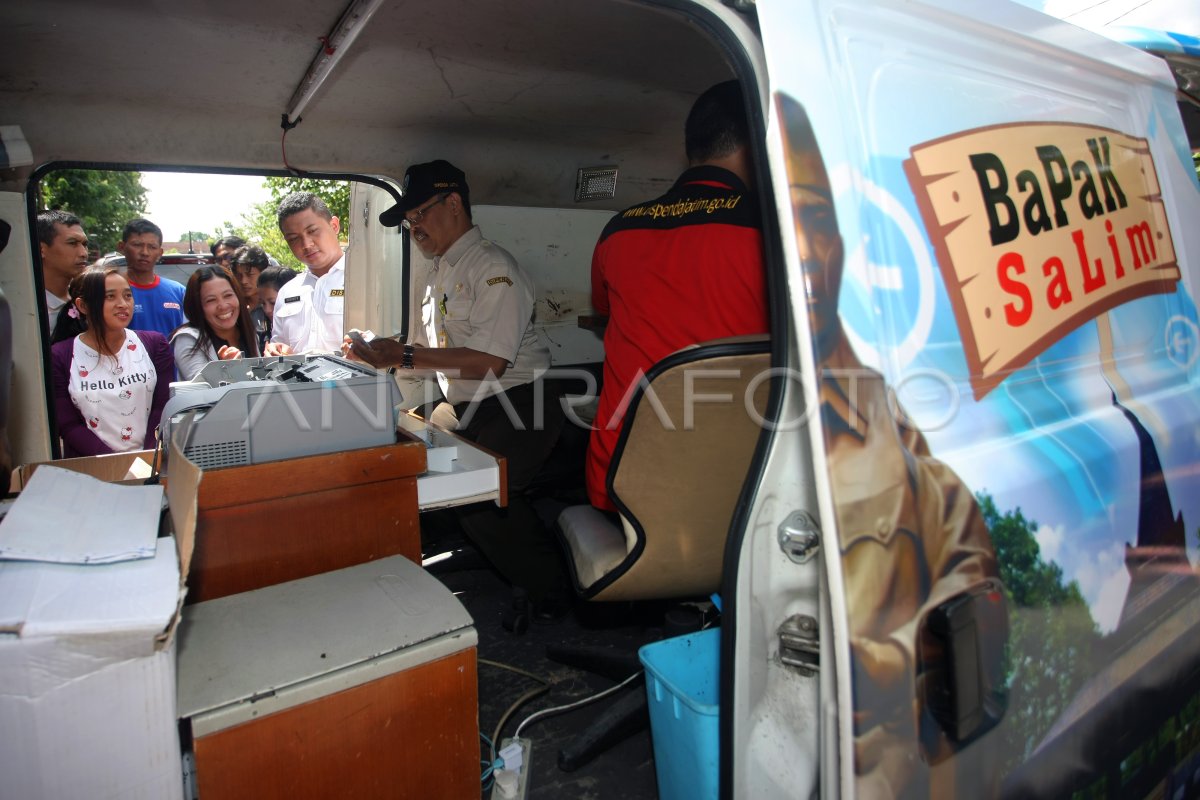
The Jakarta Metro Police Traffic Department (Ditlantas Polda Metro Jaya) has announced the availability of the mobile tax management system (Samsat Keliling) in 14 different areas including Jakarta, Depok, Tangerang, and Bekasi. This initiative is designed to ease the process of paying vehicle taxes for citizens, with services set to begin on Tuesday.
The Samsat Keliling services will be distributed across various locations in the mentioned areas, allowing citizens to pay taxes at specific centers during designated times. For instance, the service will be available in central Jakarta at the Samsat Square and Pantai Stadium, while in North Jakarta, it will be located at the Al-Mushawarah Mosque Square in Kelapa Gading.
Details of the Service Locations
Other locations where the service will be available include West Jakarta at the Central Park Mall, and in South Jakarta at the Samsat Square and in front of the Kalivata Cemetery. The service will also cover areas such as Tangerang at the Ciputat Square, and in Klender at several sites. This service will assist citizens in paying taxes conveniently without the need to visit traditional tax offices.
Citizens wishing to utilize this service must bring essential documents such as their national ID (KTP), vehicle ownership book (BPKB), and the original vehicle registration (STNK) along with copies. It is important to note that the service will be limited to annual vehicle tax payments, while renewing vehicle licenses or changing license plates will still require a visit to tax offices.
Background & Context
This initiative is part of the Indonesian government's efforts to enhance public services and streamline procedures for citizens. Vehicle taxes are a major source of government revenue, and facilitating their payment contributes to strengthening the local economy. Furthermore, this step reflects a trend towards utilizing technology in delivering public services.
Over the years, Indonesia has witnessed significant developments in its tax system, with numerous reforms introduced to improve efficiency and transparency. These mobile services are part of these reforms, demonstrating the government's commitment to providing better services to its citizens.
Impact & Consequences
This service is expected to increase tax compliance rates among citizens, as it will help reduce the time and effort required to pay taxes. Additionally, providing these services at multiple locations will make it easier for citizens to access them, fostering a spirit of cooperation between the government and the public.
Moreover, this move may enhance the government's image in the eyes of citizens, as people feel that there are genuine efforts to improve public services. This could lead to increased trust between the government and citizens, positively impacting social and economic stability.
Regional Significance
This experience could serve as a model for Arab countries, where many face similar challenges in tax collection. Improving payment services and streamlining procedures can contribute to enhancing government revenues and promoting transparency.
Thus, adopting such initiatives in Arab nations may help improve the relationship between governments and citizens, contributing to sustainable development.