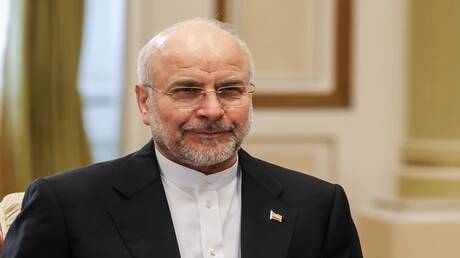
Iranian Parliament Speaker Mohammad Baqer Qalibaf ridiculed U.S. Secretary of State Marco Rubio's claims that Iran would be a 'different country' if it spent its money on its people instead of armament. Qalibaf emphasized that the U.S. dream of controlling Iranian oil and creating a 'new Gaza' will never come true.
These remarks come at a sensitive time when relations between Iran and the United States are experiencing increasing tension, with both countries exchanging accusations regarding regional policies and interference in each other's affairs. It appears that Qalibaf aims to bolster Iran's position in the face of U.S. pressures through his statements.
Details of the Event
During his speech, Qalibaf pointed out that Rubio's statements reflect a lack of understanding of the Iranian reality, arguing that the funds Iran spends on defense and armament are part of its national sovereignty. He added that Iran will not relinquish its right to defend itself and its regional interests.
These statements come after a period of escalating tensions between Iran and the United States, especially following Washington's withdrawal from the nuclear agreement in 2018 and the re-imposition of economic sanctions on Tehran. These sanctions have significantly impacted the Iranian economy, increasing pressure on the Iranian government.
Background & Context
Historically, Iranian-American relations have experienced numerous fluctuations, with periods of cooperation and others of tension. Since the Islamic Revolution in 1979, relations between the two countries have been significantly strained, with the U.S. accusing Iran of supporting terrorism and interfering in the affairs of other countries.
In recent years, tensions have escalated further, particularly with the increase in Iranian military activities in the region, including its support for militias in Iraq, Syria, and Lebanon. These activities have raised concerns among the United States and its allies in the region, leading to heightened hostile rhetoric between the two sides.
Impact & Consequences
Qalibaf's statements could lead to an escalation of tensions between Iran and the United States, reflecting Tehran's unwillingness to back down from its regional policies. These remarks may also affect potential negotiations regarding Iran's nuclear program, as Western countries seek to reach an agreement that ensures Iran does not develop nuclear weapons.
Moreover, these statements could impact Iran's relations with other countries in the region, as Iran seeks to enhance its influence in the Middle East. These dynamics could lead to increased tensions in areas like the Arabian Gulf, where U.S. forces are stationed.
Regional Significance
Qalibaf's statements are part of the broader conflict between Iran and the United States, which has direct implications for Arab countries. Tensions between Iran and Gulf states, particularly Saudi Arabia, may escalate as a result of these remarks, increasing instability in the region.
Additionally, these statements may influence Arab countries' positions towards Iran, as some nations seek to strengthen their alliances with the United States to counter Iranian influence. At the same time, other countries may look for ways to engage with Iran to ease tensions.
In conclusion, Qalibaf's remarks highlight the ongoing conflict between Iran and the United States, reflecting the significant challenges facing the region amid these complex dynamics.