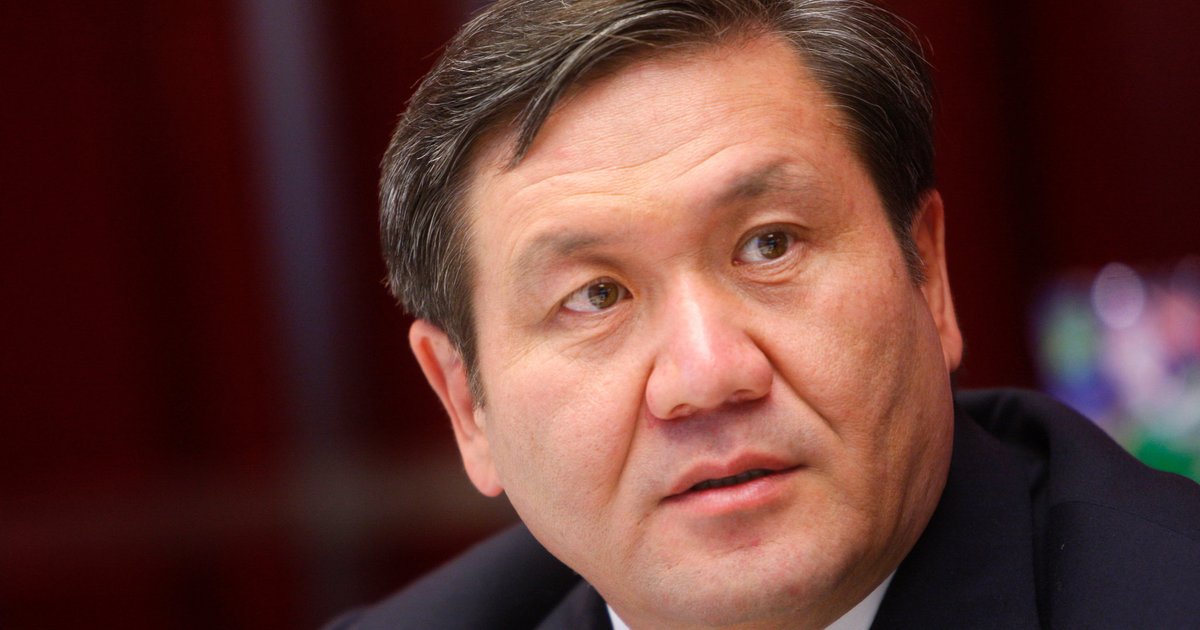
Mongolia is in a state of political turmoil following the appointment of a new Prime Minister, marking the third such change in just one year. This reflects the instability that the country is currently facing. The new Prime Minister steps into office at a time when Mongolia is grappling with multiple internal and external challenges that require a swift and effective response from the new government.
The new leader, who has taken office during a critical period, is confronted with intense political struggles within the parliament, as well as economic crises stemming from declining mineral prices, which are the primary source of revenue for the country. These circumstances illustrate a climate of uncertainty in Mongolian politics, where each faction is striving to bolster its position amid difficult conditions.
Details of the Political Shift
The new Prime Minister assumed office following the resignation of his predecessor, who faced increasing political pressure from the opposition. His appointment comes at a time when economic challenges are mounting, with significant drops in mineral prices adversely affecting government revenues. Additionally, internal political crises hinder the government's efforts to implement necessary reforms aimed at improving the economic situation.
Political conflicts among various parties are intensifying, with each party seeking to enhance its influence in parliament. These conflicts have led to delays in numerous vital projects, exacerbating the struggles of citizens who are looking for improvements in their living standards.
Background & Context
Mongolia's political history is fraught with challenges, having undergone numerous governmental changes since its transition to democracy in the early 1990s. However, the current situation is considered one of the most tumultuous periods, with economic and political pressures escalating to unprecedented levels.
Mongolia is rich in natural resources, but its heavy reliance on mineral exports makes it vulnerable to global economic fluctuations. In recent years, the country has seen a decline in foreign investments, further complicating the economic landscape.
Impact & Consequences
Many analyses predict that the current political crises will have long-term implications for Mongolia's stability. As internal conflicts escalate, the new Prime Minister may find it challenging to implement the necessary reforms to improve the economic situation. Furthermore, political instability could lead to decreased confidence from foreign investors, exacerbating the economic crises.
On the other hand, the political crises in Mongolia could impact relations with neighboring countries, particularly China and Russia, which are among Mongolia's largest trading partners. Any deterioration in relations with these nations could worsen the economic crises.
Regional Significance
Despite Mongolia's geographical distance from the Arab world, the political and economic crises it faces could serve as a lesson for Arab countries dealing with internal conflicts. The challenges confronting Mongolia underscore the importance of political and economic stability in achieving sustainable development.
Moreover, Arab investments in resource-rich countries like Mongolia may be affected by political developments, necessitating that Arab investors closely monitor the situation.
In conclusion, the political situation in Mongolia presents a significant challenge for the new government, which needs to take swift and effective steps to address the current crises. Amid these difficult circumstances, hope remains pinned on the government's ability to achieve political and economic stability.