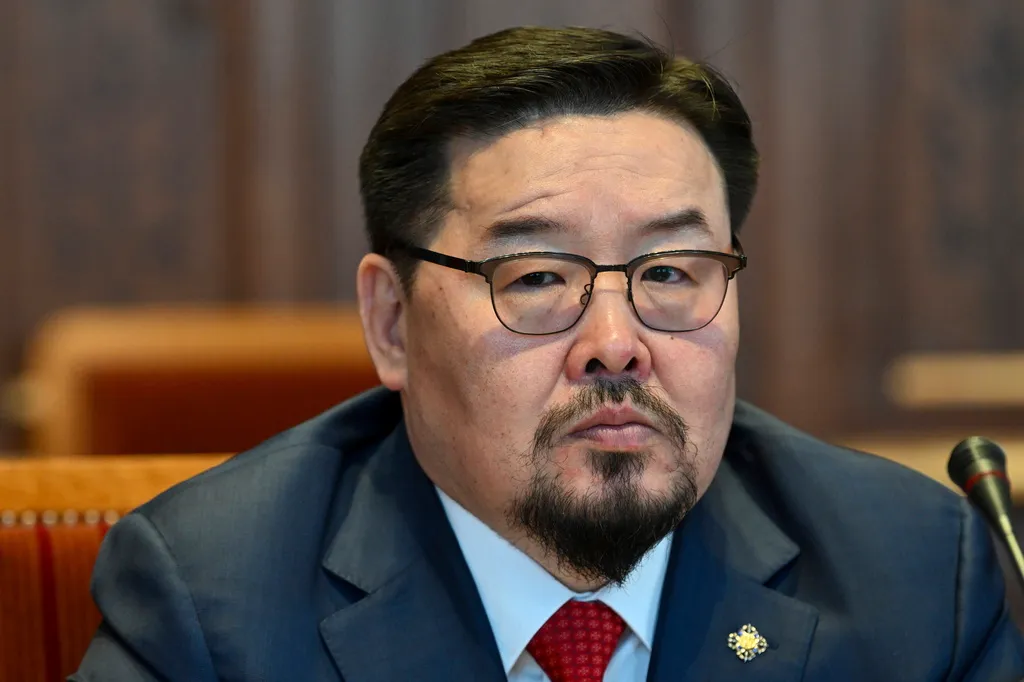
The Prime Minister of Mongolia has announced his resignation in a surprising move that follows escalating tensions within the ruling party, raising widespread concerns about the stability of the government in the country. This resignation comes at a time when Mongolia is grappling with significant economic and political challenges, complicating the political landscape in the heart of Asia.
The Prime Minister's resignation follows a series of internal crises within the ruling party, where disagreements over economic policies and necessary reforms have emerged. Observers have noted that this resignation could lead to radical changes in the government, opening the door to new power struggles.
Details of the Event
The Prime Minister's resignation came after an emergency meeting of the ruling party, where the current situation and increasing pressures from the opposition were discussed. In a statement, the Prime Minister confirmed that he made this decision in the interest of the country, indicating that he prefers to make way for new leadership capable of addressing the current challenges.
This resignation is seen as a sign of political instability in Mongolia, which has witnessed a rise in popular protests against the government due to deteriorating economic conditions in recent years. This situation has raised concerns among citizens who feel that the current government has failed to achieve the necessary progress.
Background & Context
Historically, Mongolia has experienced significant political transformations since the collapse of the communist regime in the early 1990s. Since then, the country has attempted to build a stable democratic system, yet economic and political challenges have persisted. Mongolia suffers from a heavy reliance on mineral exports, making it vulnerable to global economic fluctuations.
In recent years, Mongolia has seen notable economic growth; however, this growth has not been sustainable, as the country has faced multiple financial crises. These crises have affected citizens' trust in the government, leading to increased protests and demands for change.
Impact & Consequences
The Prime Minister's resignation could lead to significant changes in the country's domestic policies. The new government may seek to rebuild trust with citizens and could adopt new policies aimed at improving economic conditions. However, the challenges facing the new government will be substantial, as it must deal with both internal and external pressures.
Moreover, this resignation may impact the country's international relations, especially with neighboring countries like China and Russia. Mongolia heavily relies on these two nations for trade and investment, making government stability crucial for maintaining these relationships.
Regional Significance
Although Mongolia is located far from the Arab world, political events there may pique the interest of Arab nations. There may be lessons learned on how to handle political and economic crises. Additionally, stability in Mongolia could affect Arab investments in the region, particularly in the energy and minerals sectors.
In conclusion, the resignation of Mongolia's Prime Minister is a significant event that warrants close attention, as it may have far-reaching implications for the country's domestic and foreign policies. International observers must monitor developments closely, especially given the economic challenges facing Mongolia.