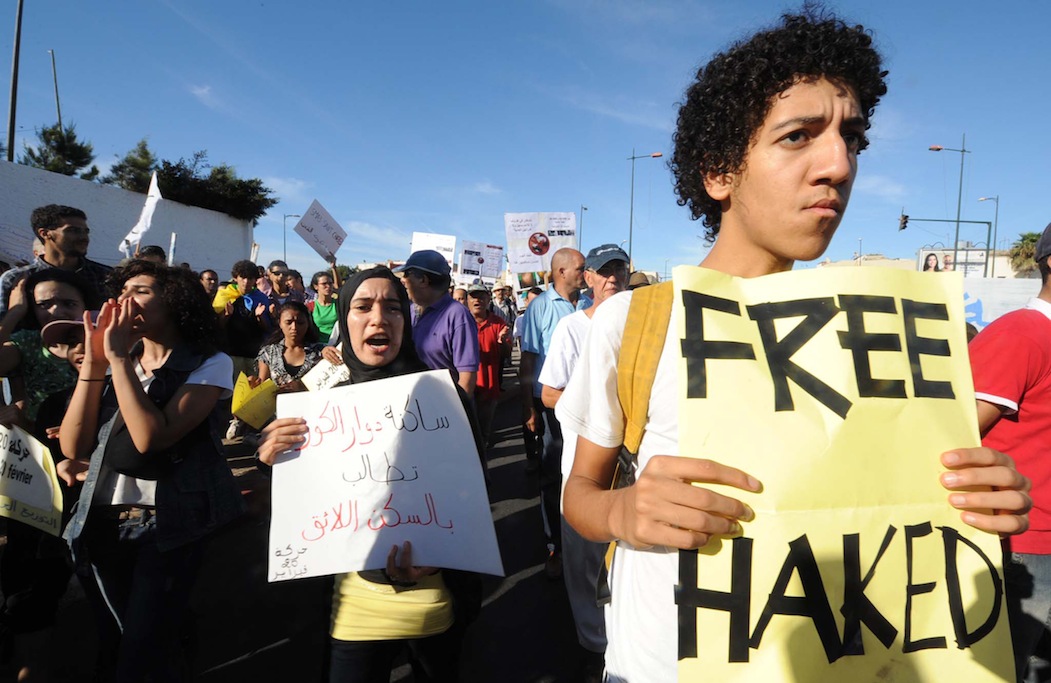
A Moroccan court has sentenced a well-known rapper, famous for his biting critiques of corruption and diplomatic relations with Israel, to two years in prison. This ruling, which comes amid growing pressure on the Moroccan government, reflects the increasing tensions in the cultural and political landscape of the country.
The rapper, regarded as a voice for Moroccan youth, was convicted for his outspoken remarks against the government regarding rampant corruption and its relations with Israel, which have sparked widespread debate in Moroccan society. This decision has provoked angry reactions from human rights activists and citizens who view it as a violation of freedom of expression.
Details of the Case
The artist, known as "the Rapper," had released several songs addressing issues of corruption and social injustice, earning him significant popularity among the youth. However, his criticisms of Moroccan-Israeli relations, which have been strengthened in recent years, made him a target for authorities. He was arrested after making statements during one of his concerts regarding these issues, leading to his trial on charges of inciting discord.
It is noteworthy that Morocco has witnessed a rise in popular protests demanding political and economic reforms in recent years. These protests are seen as a reaction to the widespread corruption in the government, which hinders development and negatively impacts citizens' lives.
Background & Context
Historically, freedom of expression in Morocco has been a contentious issue. Although the Moroccan constitution guarantees individuals' rights to express their opinions, many artists and journalists have faced legal persecution for their criticisms of the authorities. This ruling against the rapper fits within the government's policy aimed at suppressing dissenting voices, especially amidst the economic and social crises the country is facing.
Moroccan-Israeli relations have improved significantly in recent years, particularly following the signing of normalization agreements. However, these relations do not enjoy widespread popular acceptance, as many believe that normalization with Israel contradicts the Palestinian cause. This has led to the artist facing criticism from the authorities, who viewed his statements as a threat to public security.
Impact & Consequences
This ruling could have far-reaching implications for the artistic and cultural scene in Morocco. Other artists may feel intimidated about expressing their opinions, potentially leading to a decline in freedom of expression and creativity. Additionally, this ruling may spark a new wave of popular protests, as citizens express their dissatisfaction with the authorities' suppression of free speech.
Furthermore, the ruling could negatively affect Morocco's image in the international community, where the country is seen as striving to promote human rights and democracy. If the government continues to suppress dissenting voices, it may face increasing international criticism, which could impact its relations with Western countries.
Regional Significance
This event is not isolated from the broader context in the Arab world, where many countries face similar challenges regarding freedom of expression. From Tunisia to Egypt, artists and journalists suffer from government repression due to their criticisms of the governments. The sentencing of the Moroccan rapper reflects the general trend in the region towards restricting freedoms, raising concerns about the future of democracy in the Arab world.
In conclusion, this ruling illustrates how government policies can affect freedom of expression and art in societies. Continued repression may exacerbate social and political crises, necessitating a reconsideration of government policies towards freedom of expression.