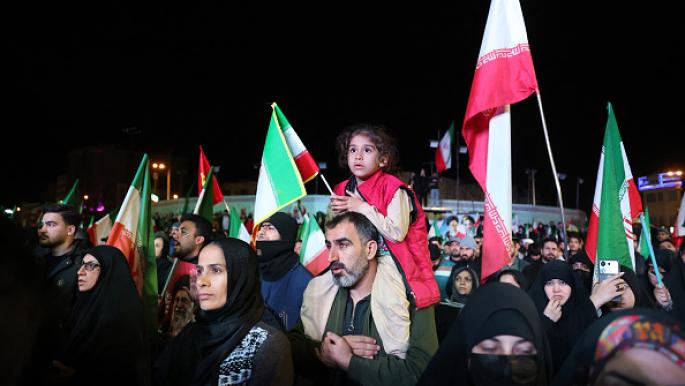
U.S. President Donald Trump announced today a mutual ceasefire with Iran for a duration of two weeks, just under two hours before a deadline set by Tehran. This decision is part of diplomatic efforts aimed at easing the military tensions that have escalated recently between the two sides.
This agreement is considered a significant step in an attempt to avoid military escalation that could lead to catastrophic consequences in the region. U.S.-Iranian relations have seen increasing tension in recent years, especially following the U.S. withdrawal from the nuclear deal in 2018.
Details of the Agreement
According to official data, the agreement stipulates a cessation of all hostilities between the two parties, including missile attacks and military operations. This agreement was reached after a series of negotiations held between U.S. and Iranian officials, emphasizing the importance of dialogue as a means to resolve disputes.
Trump indicated that this agreement aims to create a more stable environment in the region and reflects the U.S. commitment to working with its allies and partners to achieve peace. He also stressed that this agreement is not the end of the road, but rather the beginning of broader negotiations that include other issues such as the Iranian nuclear program.
Background & Context
The roots of tensions between the United States and Iran date back decades, with significant fluctuations in relations since the Iranian Revolution in 1979. Since then, the U.S. has taken a series of punitive measures against Iran, including imposing strict economic sanctions.
In recent years, concerns have escalated that Iran may fully resume its nuclear program, prompting the international community to take urgent steps to negotiate with Tehran. The recent agreement comes at a sensitive time as the international community seeks to avoid military escalation that could lead to a widespread conflict in the region.
Impact & Consequences
This agreement represents a glimmer of hope in peace efforts, as it could lead to a reduction of tensions in the Middle East. If the terms of the agreement are adhered to, it may contribute to improving relations between Iran and the United States, potentially opening the door for future negotiations on other issues.
However, questions remain about the ability of both parties to adhere to the terms of the agreement, especially amid internal and external pressures faced by each side. Any violation of the agreement could lead to a new escalation in the conflict, threatening regional stability.
Regional Significance
U.S.-Iranian relations directly affect security and stability in the Arab region. Tensions between the two countries often lead to escalations in conflicts in countries like Iraq, Syria, and Lebanon, where Iran plays a pivotal role in supporting certain armed groups.
If the agreement succeeds in achieving stability, it could help alleviate tensions in these countries, allowing for the rebuilding of relations between Arab states and Iran. It may also contribute to enhancing peace efforts in the region and provide a new impetus for dialogue initiatives among different parties.
In conclusion, the mutual ceasefire between America and Iran represents an important step towards achieving peace and stability in the region. It remains to be seen how events will unfold in the coming days and weeks, and whether this agreement will yield positive outcomes on the ground.