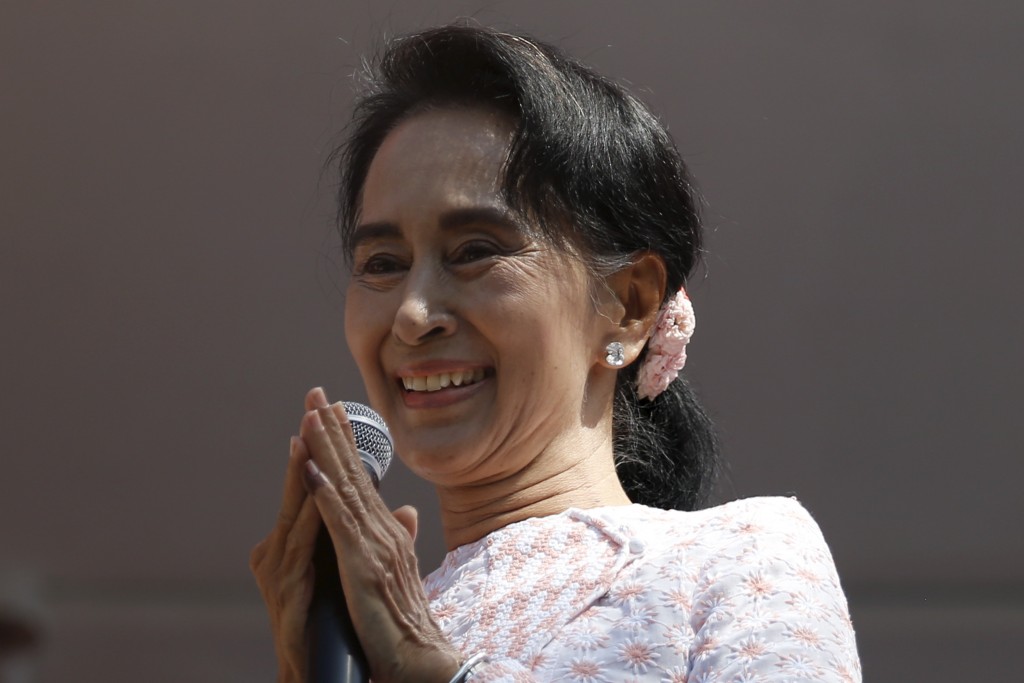
Myanmar has announced the commencement of its transition from military rule to an elected government, marking a historic step after years of military control that began with the coup in February 2021. These developments come at a sensitive time, as the population suffers from the repercussions of political and economic turmoil experienced in recent years.
The new government aims to rebuild trust with citizens, representing a glimmer of hope for many who have endured repression of freedoms and a decline in living standards. Officials have indicated that the upcoming elections will be open to all political parties, providing an opportunity for greater public participation.
Details of the Transition
Previously, Myanmar was under the rule of a military council that took power after the ousting of the elected government led by Aung San Suu Kyi. The country witnessed widespread protests against the coup, leading to violent crackdowns by military forces. However, the transition to an elected government reflects the administration's desire to achieve political stability, despite the significant challenges it faces.
The new electoral plans include political reforms aimed at strengthening democracy, including ensuring freedom of expression and human rights. An independent commission has also been announced to oversee the elections to ensure their integrity and transparency.
Background & Context
The political history of Myanmar is fraught with challenges, having experienced long periods of military rule since gaining independence from British colonialism in 1948. Despite some attempts at transitioning to democracy, military coups have repeatedly set the country back. In 2015, Myanmar made significant progress by holding free elections, but this progress was reversed following the military coup in 2021.
This new step is part of international efforts to support democracy in Myanmar, with many countries and international organizations closely monitoring the situation. The United Nations has expressed its support for a peaceful transition to democracy, emphasizing the importance of respecting human rights.
Impact & Consequences
The transition to an elected government is seen as a positive step toward achieving stability in Myanmar, but challenges remain. There are concerns that military forces may attempt to maintain their influence, potentially leading to further unrest. Additionally, the economic situation in the country requires significant improvement, as many sectors have been affected by political crises.
Some analyses predict that this step could improve relations with neighboring countries, particularly with members of the Association of Southeast Asian Nations (ASEAN), which seeks to promote stability in the region. Furthermore, the success of the upcoming elections could open the door for greater cooperation with the international community.
Regional Significance
Although Myanmar is geographically distant from the Arab world, its political events could impact regional stability. Political changes in countries like Myanmar can serve as a lesson for Arab nations striving for democracy. The success of the elected government in Myanmar may inspire democratic movements in the region.
In conclusion, the transition to an elected government in Myanmar represents an important step toward achieving political stability, but the new administration must confront numerous challenges to ensure the success of this transition.