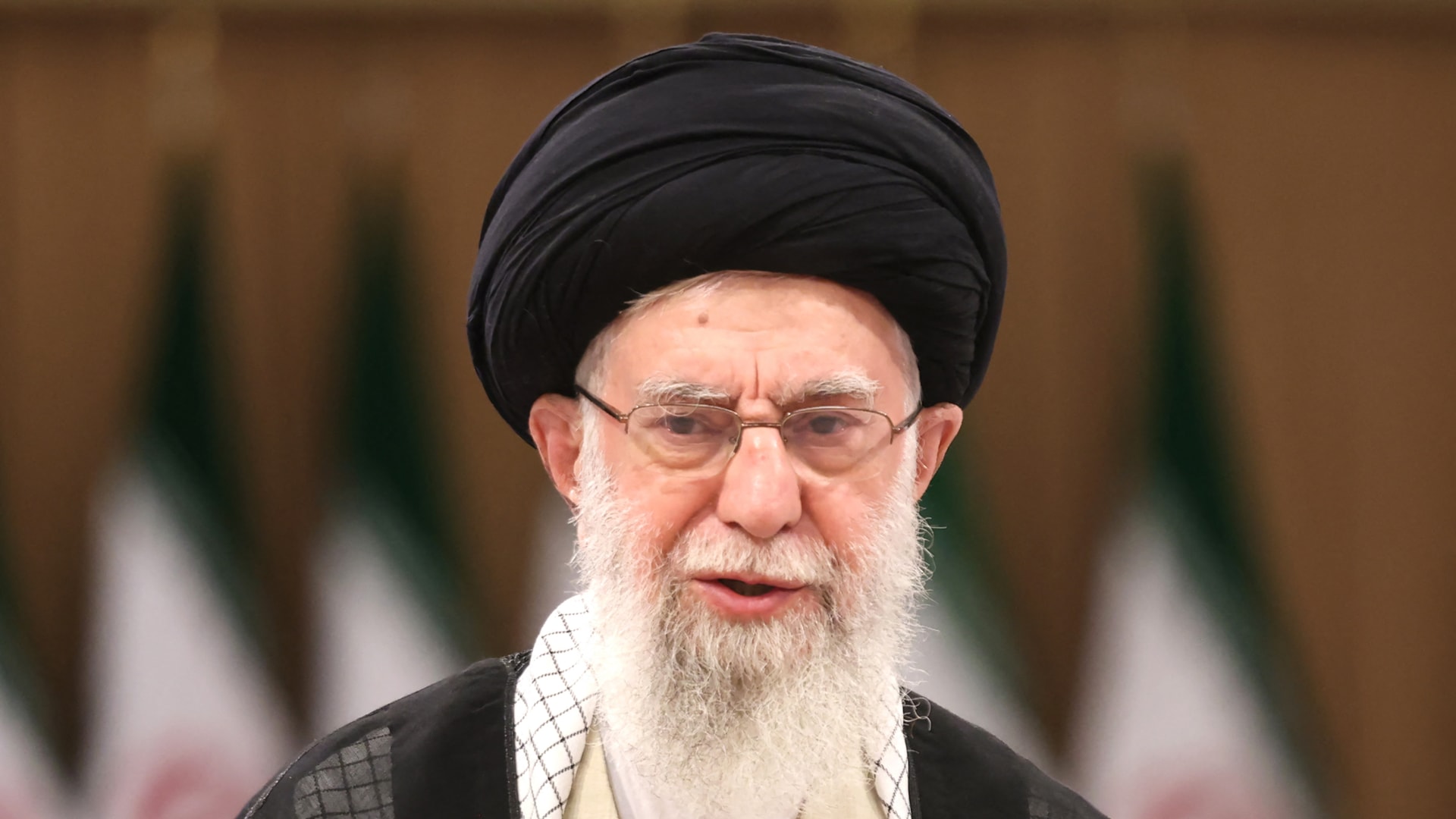
Since the new leader Mojtaba Khamenei delivered his inaugural speech to the Iranian people on March 12, uncertainty about his health and location has intensified. Khamenei has not been seen at any public events, and Iranian authorities have not published any recent photos or audio recordings of him, leading to widespread debate about his condition.
His absence is alarming for observers and the Iranian populace, especially given the tumultuous circumstances the country is experiencing. After more than five months in office succeeding the previous leader Ali Khamenei, many feel uneasy about Mojtaba's capability as a successor to his father, who had a significant and active presence.
Looking at a broader picture, doubts about Khamenei's status are not new in the history of the Islamic Republic, as the country has witnessed several events that resulted in the prolonged absence of leaders and policymakers. This atmosphere of uncertainty consistently sparks concerns about who will succeed them and what the future holds.
Questions regarding Mojtaba Khamenei's health are not only a product of his absence but are also escalating amid the significant economic and social crises faced by Iran. Protests are increasing on Iranian streets, with demands for better living conditions, a crackdown on pervasive corruption, and an end to state terror. The absence of effective leadership during this critical period serves as a warning signal for the regime's future.
This situation carries additional implications for the stability of the Iranian regime and its ability to handle current crises. Without serious and direct leadership, the regime may find itself facing larger challenges, further eroding public trust in its decision-making capabilities.
The external dimensions of these events also highlight the importance of the issue, particularly in the context of conflicts in the Middle East. With regional and international powers seeking to exploit such periods of weakness, regional interactions may be influenced, which could escalate Iranian crises into the surrounding area, intensifying tensions.
If Khamenei's absence from the scene continues, it will generate increasing speculation and scenarios about Iran's future. This could result in various insights regarding his fate and the potential for the country to move beyond the influence of former leaders towards new leadership.
Additionally, a question arises regarding who would be the alternative if Mojtaba Khamenei's absence persists? How will these events affect Iran's relations with other countries?
Many analysts view this situation as an opportunity for political change in Iran, allowing for the emergence of a new generation of leaders. However, the question remains: will the regime accept this, or will it try to maintain its stability at the expense of renewing political thought in the country?