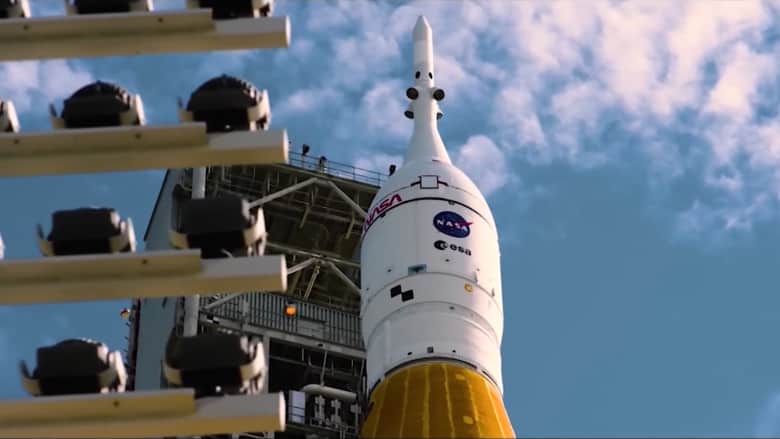
NASA Administrator Jared Isaacman announced the agency's decision to abandon the lunar space station project in favor of a plan to construct a moon base at a cost of up to $20 billion over the next seven years.
This strategic shift comes as part of NASA's efforts to strengthen its presence on the moon, where the agency aims to develop a permanent infrastructure that allows for advanced scientific research and facilitates deep space exploration.
Event Details
During a press conference, Isaacman explained that the agency will utilize components originally designated for the lunar space station to build the moon base. This base will serve as a launch point for future missions to other planets, including Mars.
This move is part of the Artemis program, which aims to return humans to the moon by 2024, reflecting the United States' commitment to enhancing space exploration after decades of decline in this field.
Background & Context
Historically, the United States has been a leader in space exploration, sending the first human to the moon in 1969. However, the following decades saw a decline in manned space activities. In recent years, the agency has begun reassessing its strategies, leading to the launch of the Artemis program aimed at returning humans to the moon.
This lunar base is part of a broader vision for space exploration, as NASA seeks to collaborate with other space agencies and private companies to develop new technologies that contribute to achieving its goals.
Impact & Consequences
The implications of this project extend beyond space, as it is expected to boost the American economy by creating new job opportunities in the space and technology sectors. Additionally, the development of a moon base could lead to new scientific discoveries, enhancing the United States' position in the global space race.
Furthermore, this step may open the door for new international partnerships, as other countries could participate in developing the lunar base, thus enhancing international cooperation in space exploration.
Regional Significance
While Arab countries focus on developing their space programs, NASA's decision could motivate these nations to increase their investments in the space sector. Some Arab countries, such as the United Arab Emirates, have already begun implementing ambitious space projects, such as the Hope Probe mission to Mars.
These developments could stimulate Arab cooperation in the field of space, enhancing the ability of Arab nations to participate effectively in space exploration.
In conclusion, NASA's plan to build a base on the moon represents a significant step toward enhancing humanity's presence in space and opens new horizons for international cooperation and scientific discoveries.