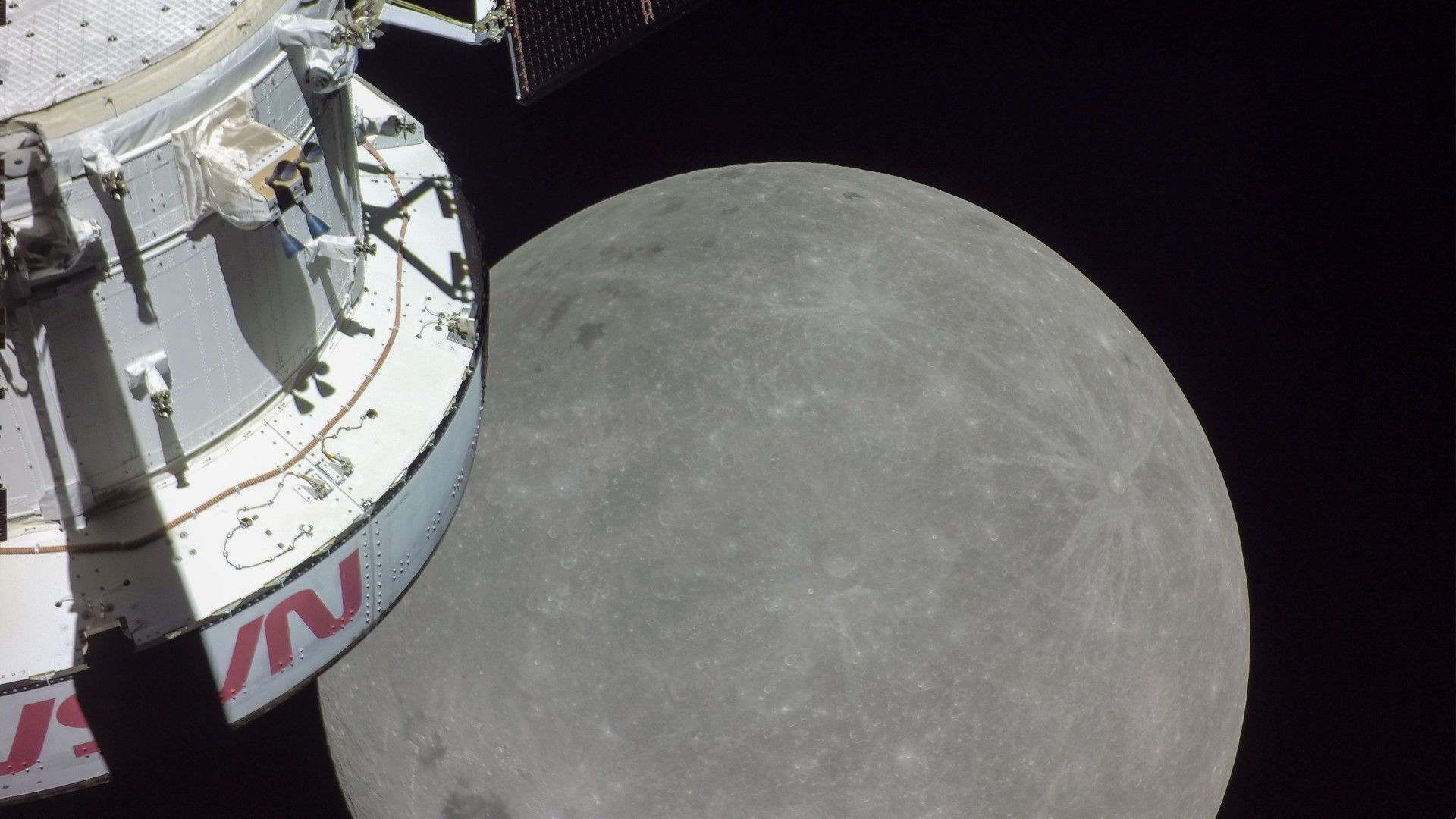
NASA launched the Artemis II mission on April 2, 2026, carrying four astronauts in an Orion capsule. The mission aims to explore the moon, specifically its far side, as part of the ambitious Artemis program to return to the moon. This mission comes more than 50 years after the last human trip to the moon, which was Apollo 17 in 1972.
The Artemis program, named after the Greek goddess Artemis, was initiated as a new step towards establishing a sustainable human presence on the moon. The program aims to send the first woman to the moon while enhancing scientific and technological research in space. Despite the challenges faced by the program, including delays and development issues, the current mission is considered a significant step towards achieving NASA's ambitious goals.
Event Details
Following the success of the uncrewed Artemis I mission in 2022, Artemis II launched from Kennedy Space Center, where the capsule is scheduled to orbit the moon before returning to Earth within ten days. During this journey, systems and technologies that will be used in future missions will be tested, including Artemis IV, planned for 2028, which aims to send humans to the lunar surface.
On April 6, NASA will stream a live broadcast on YouTube and Netflix, where astronauts will set a new record for the farthest distance humans have traveled from Earth during a communication blackout as the capsule passes behind the moon. This event is considered a milestone in the history of space exploration, showcasing the technological advancements humanity has achieved in this field.
Background & Context
The history of lunar exploration dates back to the 1960s when the United States launched the Apollo program that sent astronauts to the moon for the first time. After the success of these missions, crewed flights to the moon ceased for over four decades. With the beginning of the 21st century, space agencies, including NASA, began to rethink lunar exploration as an important destination for scientific research and technological development.
The Artemis program is part of a larger vision for NASA, aiming to establish a base on the moon that will be used as a launching point for exploring Mars. This program is seen as a revival of the spirit of exploration that characterized the Apollo era, but it focuses on sustainability and international cooperation.
Impact & Consequences
The Artemis II mission is not just a step towards returning to the moon; it is also an opportunity to enhance international cooperation in space. Many countries, including Arab nations, are showing increased interest in space exploration, which could lead to new partnerships in the future. This mission may inspire new generations of scientists and engineers in the Arab world, emphasizing the importance of education in science and technology fields.
Furthermore, success in this mission could open doors for new investments in the space sector, boosting innovation and technological development. Achieving the ambitious goals of the Artemis program could contribute to strengthening the United States' position as a leading power in space.
Regional Significance
For the Arab world, the success of the Artemis program is seen as an opportunity to enhance cooperation in space. Many Arab countries have begun to develop their own space programs, such as the United Arab Emirates, which launched the Hope Probe to Mars. These developments reflect a growing interest in space exploration and may lead to partnerships with global space agencies like NASA.
Additionally, the success of the Artemis II mission could inspire Arab youth to engage in science and technology fields, fostering innovation and contributing to the development of local capabilities in these vital areas. Space exploration is viewed as an opportunity to enhance Arab identity in the fields of science and technology.