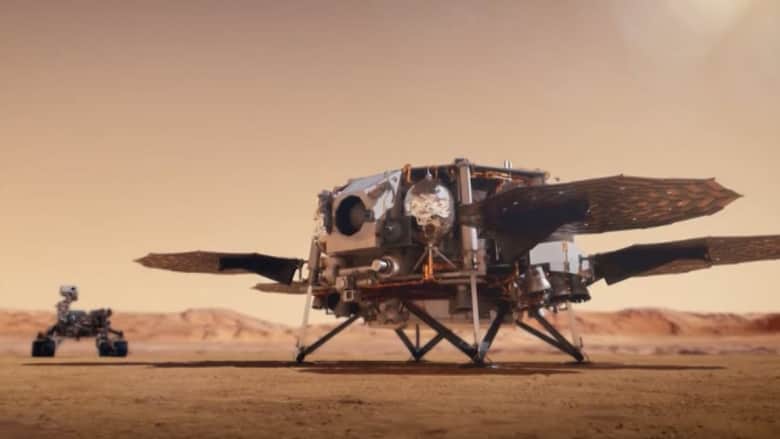
NASA's director, Jared Isaacman, announced plans to transform the agency's lunar program into a permanent project, paving the way for sustainable human presence on the Moon's surface. This initiative marks a significant shift in space exploration efforts, as NASA aims to establish a permanent base on the Moon, reflecting its commitment to expanding the boundaries of human knowledge.
These statements come at a time when global space programs are witnessing increasing competition, with many countries and private companies striving to achieve milestones in space exploration. The Moon is considered an ideal launch point for exploring other planets, including Mars.
Details of the Announcement
During a press conference, Isaacman clarified that the plans include sending crewed missions to the Moon periodically, focusing on establishing infrastructure that supports human life on its surface. He noted that this step will enhance scientists' and researchers' ability to conduct advanced scientific experiments in the lunar environment, contributing to the development of new technologies.
Isaacman also emphasized that having permanent astronauts on the Moon would enable them to explore available natural resources, such as ice water, which is crucial for supporting life and generating energy. This development could open new horizons in the field of sustainable energy.
Background & Context
Historically, space missions to the Moon have been limited to short-term expeditions, such as the Apollo program launched by the United States in the 1960s and 1970s. However, technological advancements and increasing interest in space exploration have prompted space agencies to rethink their strategies.
In recent years, there has been a rise in international cooperation in the field of space, with NASA collaborating with other space agencies such as the European Space Agency and the Japan Aerospace Exploration Agency. This collaboration contributes to knowledge and technology exchange, enhancing the chances of success in future projects.
Impact & Consequences
Establishing a permanent presence on the Moon could lead to radical changes in how we understand space. A permanent base would enable scientists to conduct long-term research, potentially resulting in new discoveries in various fields, including Earth sciences and astrophysics.
Moreover, this step could contribute to boosting the global economy by creating new job opportunities in technology, engineering, and scientific research. It may also encourage investments in the space sector, fostering innovation and economic growth.
Regional Significance
For the Arab region, these developments represent an opportunity to enhance cooperation in the field of space. Many Arab countries have shown increasing interest in space programs, such as the United Arab Emirates, which launched the Hope Probe to Mars. Collaborating with space agencies like NASA could enhance technical and scientific capabilities in the region.
Additionally, having active space programs could inspire new generations of Arab scientists and engineers, contributing to building a bright future in technology and innovation.
In conclusion, NASA's plans to establish a permanent presence on the Moon represent a bold step towards space exploration and could significantly impact humanity's future in various fields. This initiative is not just a scientific achievement but the beginning of a new era of exploration and international cooperation.