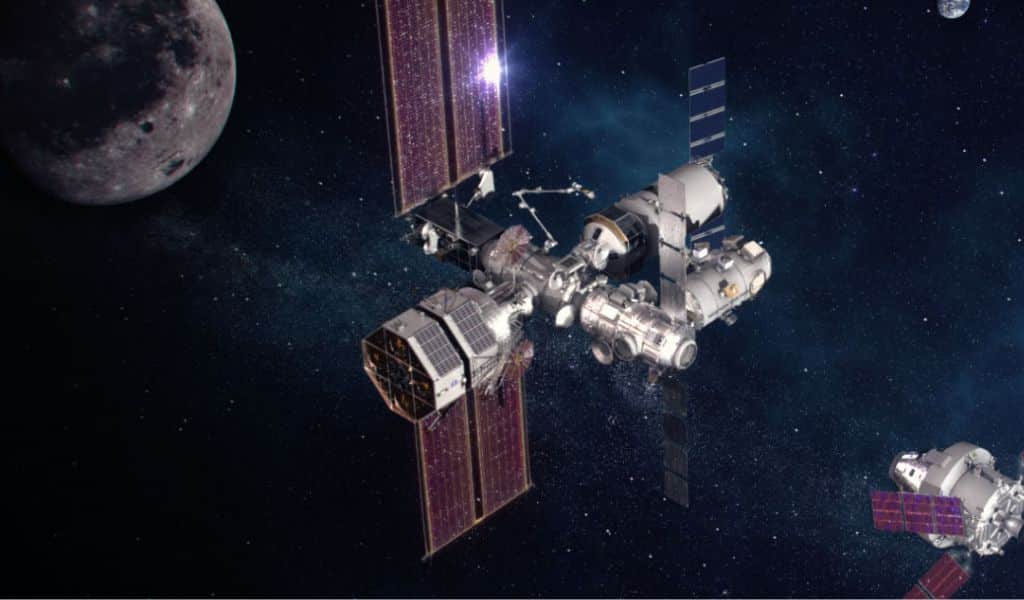
NASA is preparing to launch the Artemis II mission on Wednesday, where four astronauts will embark on a journey around the Moon before returning to Earth after ten days. This mission aims to test the systems and equipment that will be used in the upcoming Artemis IV mission, scheduled for 2028, which aims to land humans on the Moon's surface for the first time in over 50 years.
Although NASA is not yet ready for a human landing on the Moon, the goal is to establish a long-term human presence on the lunar surface within the next five years. This mission is part of a larger vision for NASA, which aims to build a base on the Moon that allows astronauts to live there for extended periods, requiring complex logistical strategies.
Event Details
The Artemis II mission will utilize the Orion capsule, which will make a trip around the Moon, testing various systems that will be used in future missions. This test is essential to ensure the safety of the astronauts and the efficiency of the equipment before moving on to the lunar landing phase.
NASA seeks to utilize available resources on the Moon, such as water and helium-3, to support the lunar base. This strategy, known as in-situ resource utilization, means that astronauts will rely on what they can find on the Moon rather than transporting all supplies from Earth.
Background & Context
Historically, the United States was in a space race with the Soviet Union during the 1960s and 1970s, achieving the first human landing on the Moon in 1969. Since then, space activities have declined, but with the growing global interest in space, NASA has returned to the forefront of this race through the Artemis program.
NASA aims to enhance its presence in space through collaboration with other countries, having signed agreements with over 60 nations on the fundamental principles of space exploration, including resource extraction from the Moon. However, this program faces legal challenges regarding ownership rights over lunar resources.
Impact & Consequences
The Artemis mission is a significant step in space exploration, but it raises legal questions about the ownership of lunar resources. According to the Outer Space Treaty, no country can claim ownership of the Moon, making resource extraction a contentious issue.
The United States believes that resource extraction does not conflict with the principle of non-appropriation, which many legal experts see as a misinterpretation of the treaty. These legal challenges could affect international cooperation in space and increase tensions between major powers.
Regional Significance
The importance of space is increasing in the Arab world, with countries like the United Arab Emirates seeking to enhance their capabilities in this field. As space activities grow, there may be opportunities for collaboration between Arab nations and global space agencies, including NASA.
These developments present an opportunity for Arab countries to bolster their technological and research capabilities, potentially leading to strategic partnerships in the future.