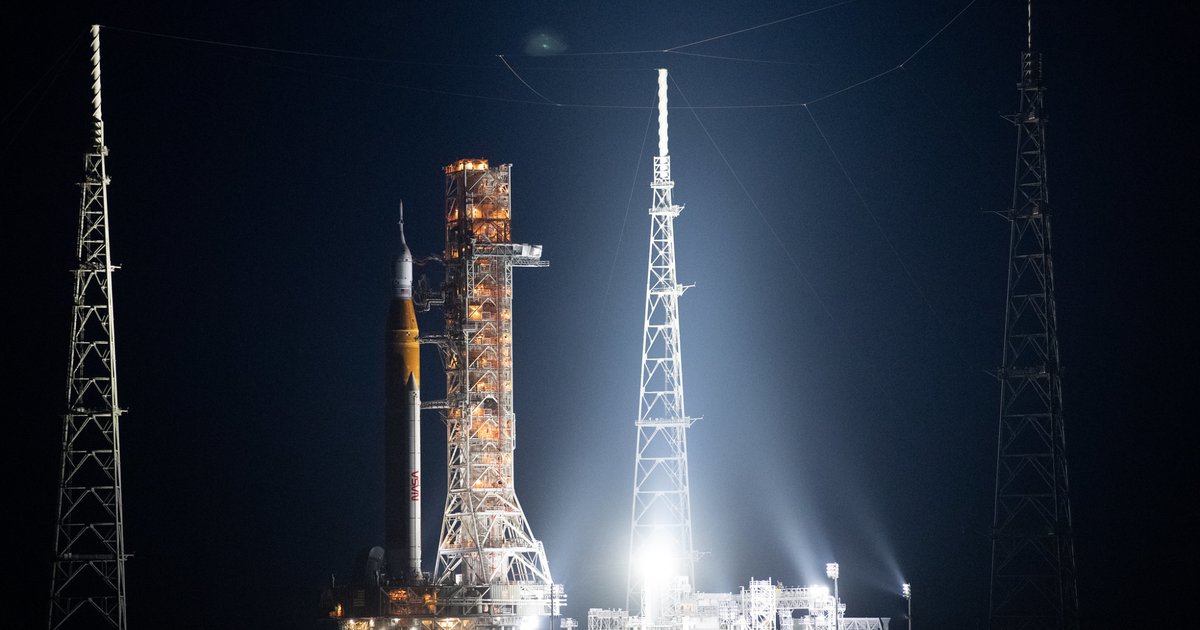
NASA is preparing to launch its new project "Artemis," which represents an exciting return to lunar exploration after decades since the famous "Apollo" program. This project aims to establish a permanent human presence on the Moon, paving the way for future missions to Mars.
The first Artemis missions are scheduled to begin in 2024, with the spacecraft "Orion" transporting astronauts to lunar orbit. This mission follows the successful test of the spacecraft in 2021, which demonstrated NASA's capability to execute complex space missions.
Event Details
The Artemis project aims to return humans to the Moon, with NASA seeking to land on the Moon's south pole, an area that has not been sufficiently explored. Plans include the establishment of a permanent lunar base known as the "Lunar Gateway," which will serve as a launch point for further exploration missions.
This step is part of a larger strategy aimed at enhancing human capabilities in space, as NASA seeks to collaborate with other space agencies and private companies to expand the scope of space exploration.
Background & Context
The history of lunar exploration dates back to the Apollo program launched by NASA in the 1960s, where American astronauts successfully landed on the Moon's surface for the first time in 1969. Since then, several missions have been conducted to explore the Moon, but a permanent human presence has not been achieved.
With advancements in technology and increased interest in space, many countries have begun developing their own space programs, increasing the importance of returning to the Moon as a strategic step in the modern space race.
Impact & Consequences
NASA's return to the Moon through the Artemis project carries significant implications for scientific and technological advancements. These missions are expected to contribute to the development of new technologies that can be utilized in the exploration of Mars and other planets.
Furthermore, international collaboration on this project reflects the importance of joint efforts in the field of space, potentially opening new avenues for cooperation among nations in the realms of science and technology.
Regional Significance
For Arab countries, the return to the Moon represents an opportunity to enhance local space programs. Many Arab nations have begun developing their space capabilities, such as the United Arab Emirates, which launched the Hope Probe to Mars. These developments indicate the potential for Arab cooperation in the field of space, enhancing the region's standing on the global stage.
In conclusion, the Artemis project represents a significant step in the history of space exploration, reflecting human ambitions to reach new horizons. As developments continue in this field, hope remains pinned on achieving new milestones that benefit all of humanity.